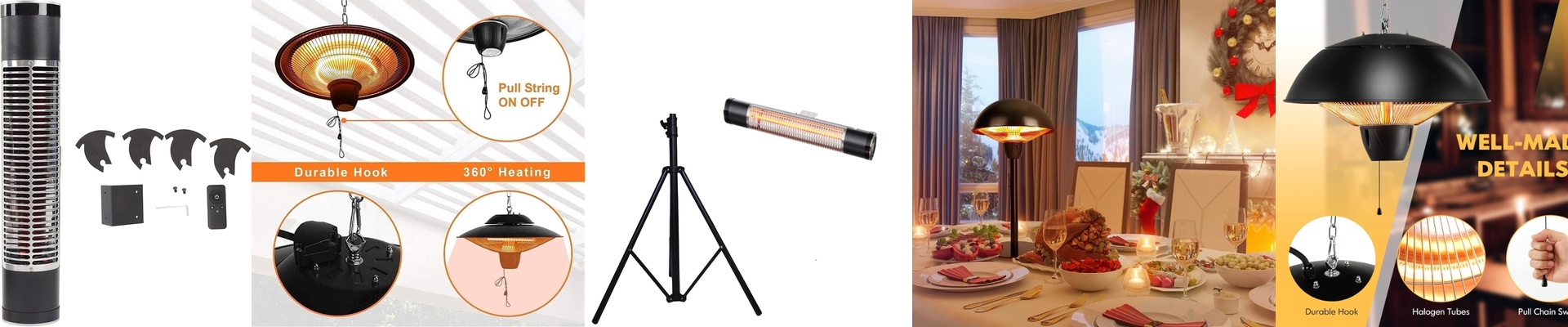
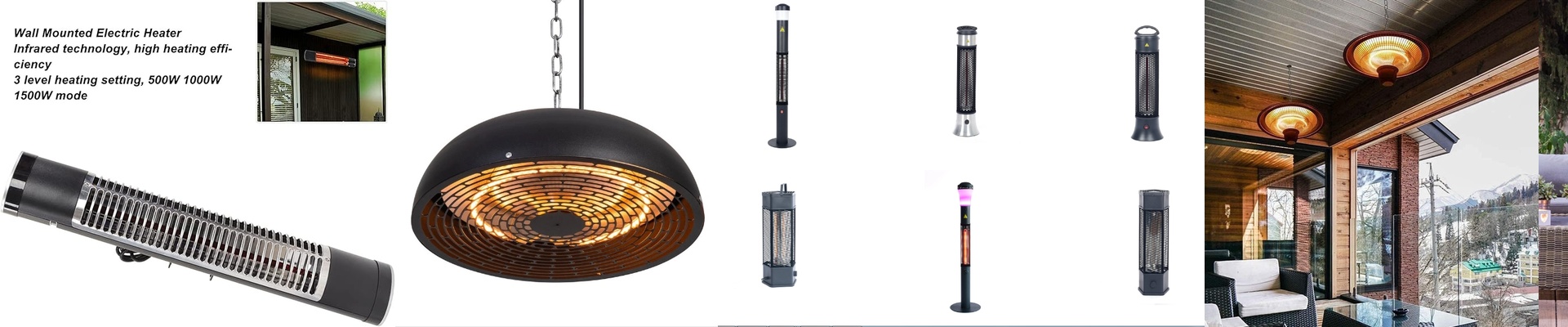
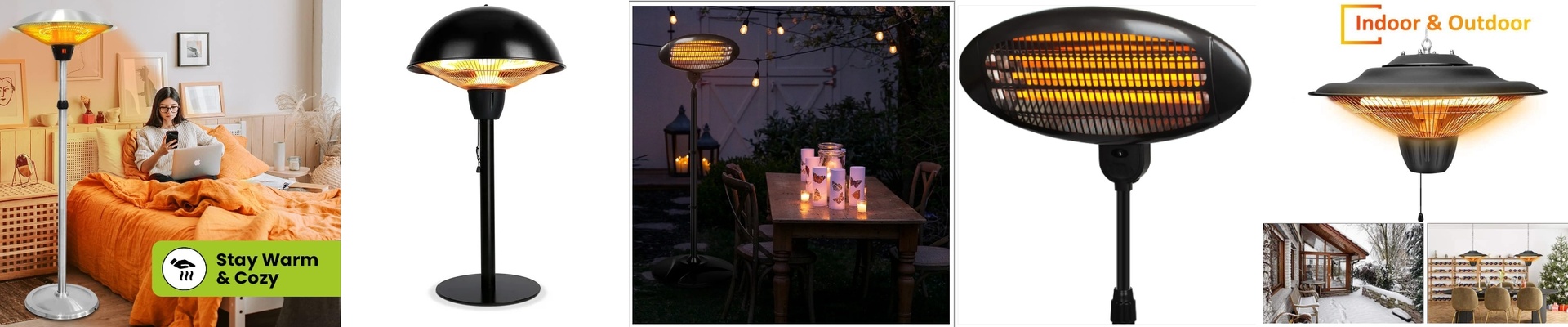
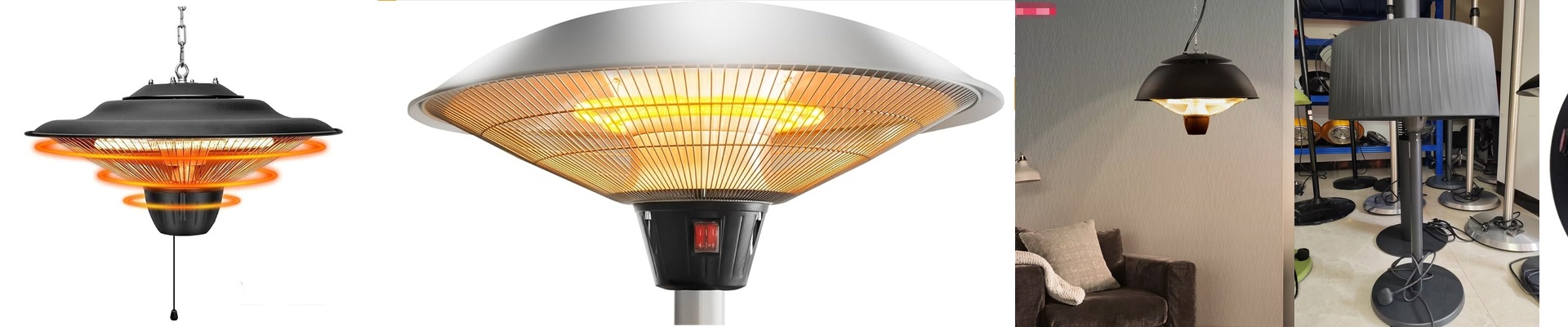

Nights outdoors end early when the air bites. You step out, wrap up tighter, and the conversation dies while everyone shifts around just to stay warm. A long-range patio heater flips that script—no blasting hot air, just infrared warmth delivered right where people are standing.
What actually matters under the hood
We run a carbon fiber infrared element, so the heat is radiant. It carries farther and blankets more of the patio without dumping energy into the empty air around it. You get a focused comfort zone, and the warmth hits the moment you flip the switch.
Pick the power rating that lines up with your outdoor setup, and run it on standard 120V or 240V depending on what your home wiring will support. A built-in thermostat holds the temperature steady, and you get tip-over protection plus an IP rating—practical safety for real backyard conditions, rain or shine.
Why this approach holds up
This is built for the long haul: solid materials, components you can service, and an efficiency focus that keeps day-to-day energy use down. Infrared warmth feels natural because it heats people and surfaces first, the way the sun does—just without the glare.
That means evenings keep moving. Dinner stays hot, drinks stay cold, and guests stay comfortable instead of piling in around one undersized heater. If you’re leaning into low-waste at home, the high-cycle materials and long service life mean fewer replacements and less packaging over time.
The setup details that make the difference
For best coverage, mount the patio heater 7–9 feet above the seating area and angle it across the space, not straight down. Clearance is non-negotiable—keep it away from combustible materials, and check local codes before you hardwire a 240V unit.
In windy spots, the radiant heat is still strong, but wind will cool exposed skin.**Add wind-blocking screens or place the heater near a wall, and comfort improves fast.**Pair it with an outdoor-rated timer or smart plug, and you get steady warmth with almost no fuss.