
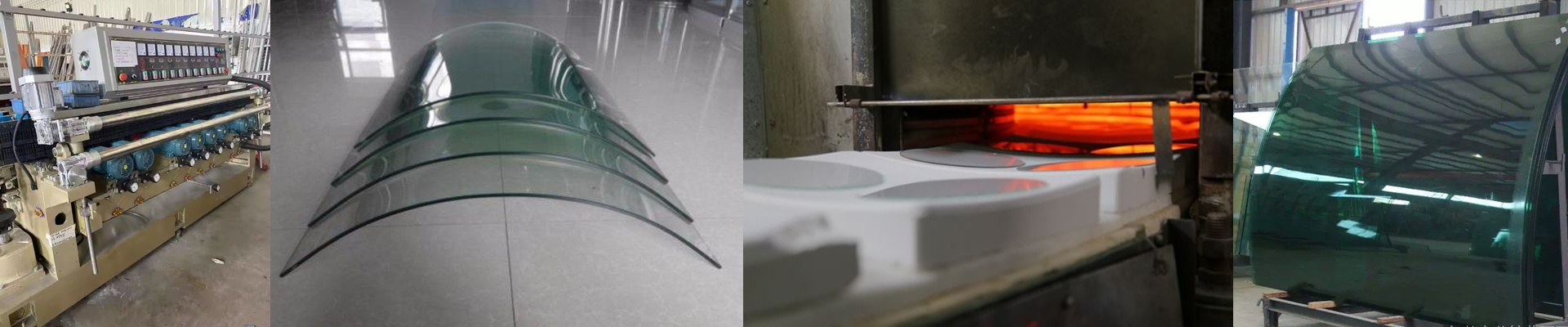
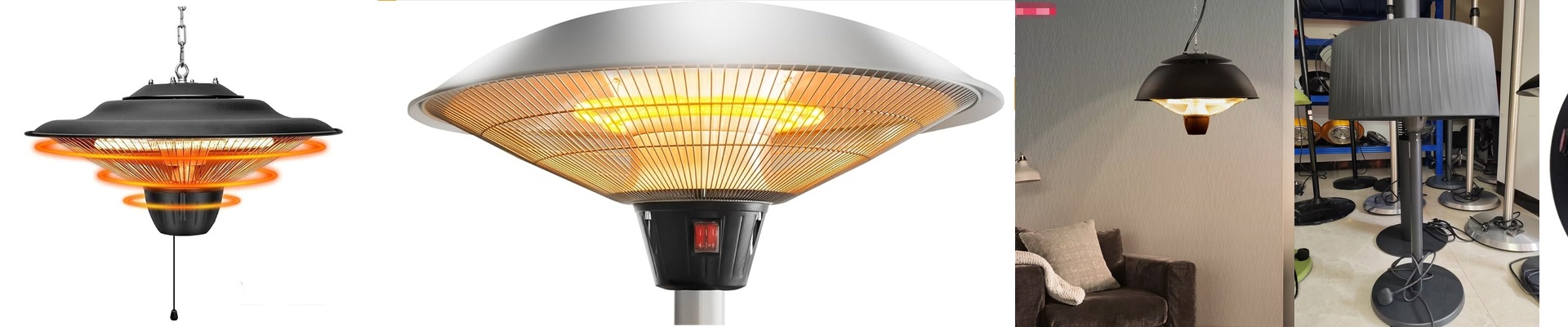
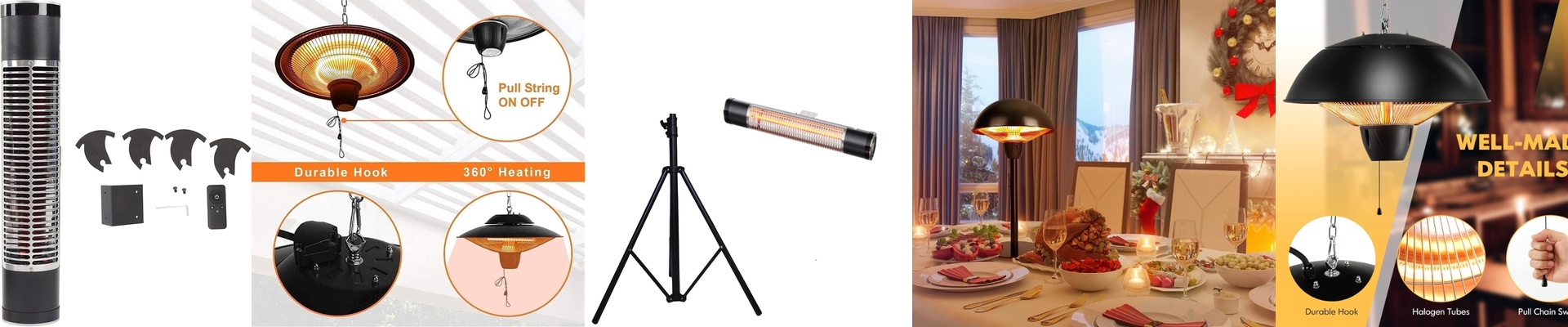
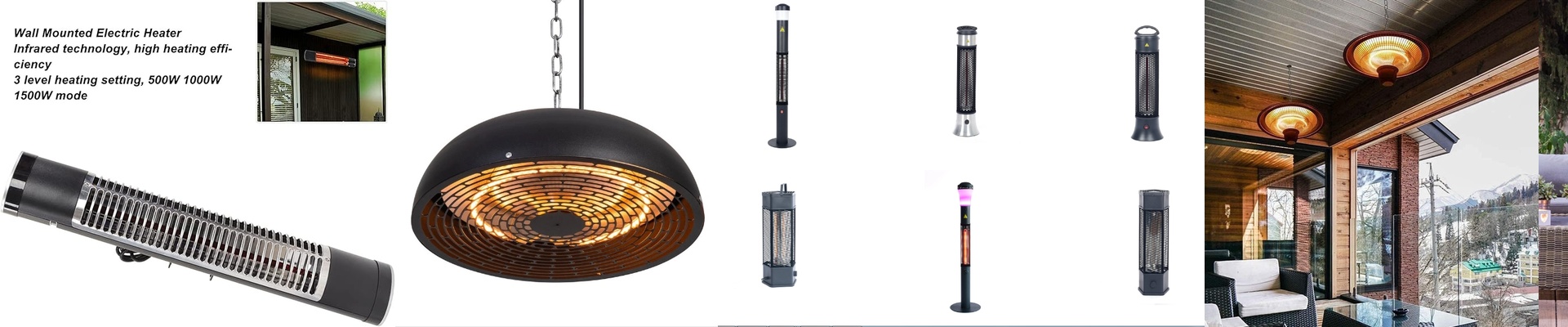
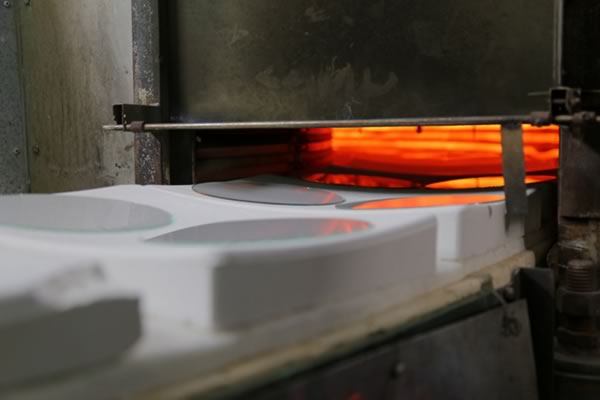
On the line, a clean score is the one that parts cleanly—no hairline cracks. If you don’t manage thermal stress, the cut edge walks micro-cracks right into tempering, bending, or lamination, and those defects compound downstream. We set up the heating module to nail the surface temperature fast, so scoring is about predictable stress, not guesswork.
What matters, technically
The heart is a short-wave infrared emitter with a spectral response tuned to couple hard into glass—surface heat, fast, without driving the bulk. Keep the band tight—±2% across the active length—and the thermal front stays uniform, so expansion lines up along the score. It runs on 240 V or 480 V, drops into standard ceramic holders, and the quartz envelope takes repeated thermal shock without drama. The response is quick: full power in under 2 seconds, and the control takes 4–20 mA from your PLC so timing lands exactly where you want it. We’ve run units 5,000+ hours with less than 5% output drop, so stability holds shift after shift.
Why this works where you run it
Glass processing is a chain: cut first, then tempering, bending, coating drying, lamination, and insulating glass sealing. If the initial score leaves stress behind, the furnace ramp magnifies it, and you’ll see breakage when quench pressure comes up. Our heating keeps the score zone even, so the glass yields predictably, edge compression stays in the window, and the heating cycles in tempering and bending start from a stable baseline. In coating drying, that same fast, uniform response keeps solvent loss from getting ahead of itself—fewer pinholes. In lamination, a controlled preheat smooths the viscosity spike at the interface, so PVB or SGP flows evenly before the autoclave. The payoff is fewer rejects, steadier throughput, and less scrap from edge-origin failures.
Things to keep straight
Installation is straightforward, but alignment is the make-or-break detail. Set the emitter parallel to the glass plane, 10–20 mm off the surface, and confirm the temperature profile with a handheld pyrometer right at the score line. This module isn’t a replacement for convection heating on thick low-E. For stacked or coated loads above 12 mm, pair it with a convection preheat stage so you don’t overshoot the top surface while the interior stays cool. Keep the quartz clean—silica dust on the envelope shifts emissivity and throws the band off. You can expect around 2–3% line speed gain in many plants, but match your conveyor speed to the module’s rise time so the thermal pulse fits the pitch.
라인 상에서 클린 스코어는 깨끗하게 분리되는 절단면을 의미하며, 미세 균열이 없어야 한다. 열응력을 관리하지 않으면 절단면에서 미세 균열이 템퍼링, 굽힘, 적층 공정으로 이어지며 결함이 후공정에서 누적된다. 본 가열 모듈은 표면 온도를 빠르게 목표로 설정하여, 스코어링이 추측이 아닌 예측 가능한 응력에 기반하도록 설계되었다.
기술적으로 중요한 점
핵심은 단파 적외선 방출기로, 스펙트럼 반응이 유리에 강하게 결합되도록 조정되어 있어 표면을 빠르게 가열하되 내부 전체에는 영향을 주지 않는다. 활성 길이 전체에서 ±2% 이내로 밴드를 유지하여 열전선이 균일하게 유지되고, 팽창이 스코어 라인에 정확히 맞춰진다. 240 V 또는 480 V 전원으로 작동하며, 표준 세라믹 홀더에 장착 가능하고, 석영 인클로저는 반복되는 열충격에도 문제없이 견딘다. 반응 속도는 빠르며, 2초 이내에 최대 출력에 도달하고, 제어부는 PLC에서 4–20 mA 신호를 받아 타이밍을 정확하게 조절한다. 5,000시간 이상 가동해도 출력 저하가 5% 미만으로, 작업 교대마다 안정성이 유지된다.
현장에서 효과가 나타나는 이유
유리 가공 공정은 절단 → 템퍼링 → 굽힘 → 코팅 건조 → 적층 → 단열유리 밀봉의 연속 체인이다. 초기 스코어에 응력이 남으면 가열로 상승 시 응력이 증폭되어, 퀜칭 압력 상승 시 파손이 발생한다. 본 가열 방식은 스코어 구간의 온도를 균일하게 유지하여 유리의 변형이 예측 가능하고, 모서리 압축 응력이 허용 범위 내에 머무르며, 템퍼링과 굽힘의 가열 사이클이 안정적인 기준선에서 시작된다. 코팅 건조 공정에서는 동일한 빠르고 균일한 반응이 용매 손실을 과도하게 진행되지 않도록 하여 핀홀 발생을 줄인다. 적층 공정에서는 제어된 예열로 인터페이스의 점도 급증을 완화하여 PVB 또는 SGP가 오토클레이브 투입 전 균일하게 흐르도록 한다. 결과적으로 불량률 감소, 안정된 생산량, 모서리 결함에서 발생하는 스크랩 감소를 달성한다.
반드시 유의할 점
설치는 비교적 간단하지만, 정렬이 성공과 실패를 가르는 핵심 요소이다. 방출기를 유리 평면과 평행하게 설치하고 표면에서 10–20 mm 떨어뜨린 후, 휴대용 적외선 측온계로 스코어 라인에서 온도 프로파일을 반드시 확인해야 한다. 이 모듈은 두꺼운 low-E 유리에 대한 대류 가열을 대체하지 않는다. 12 mm 이상 적층 또는 코팅된 제품에는 대류 예열 단계와 병행하여, 내부는 차갑게 유지하면서 상면 과열을 방지해야 한다. 석영 인클로저를 청결하게 유지해야 하며, 실리카 먼지가 묻으면 방출율이 변하고 밴드가 흐트러진다. 다수의 공장에서는 라인 속도 2–3% 향상을 기대할 수 있으나, 컨베이어 속도를 모듈의 상승 시간과 맞춰 열 펄스가 작업 피치에 정확히 맞도록 조절해야 한다.