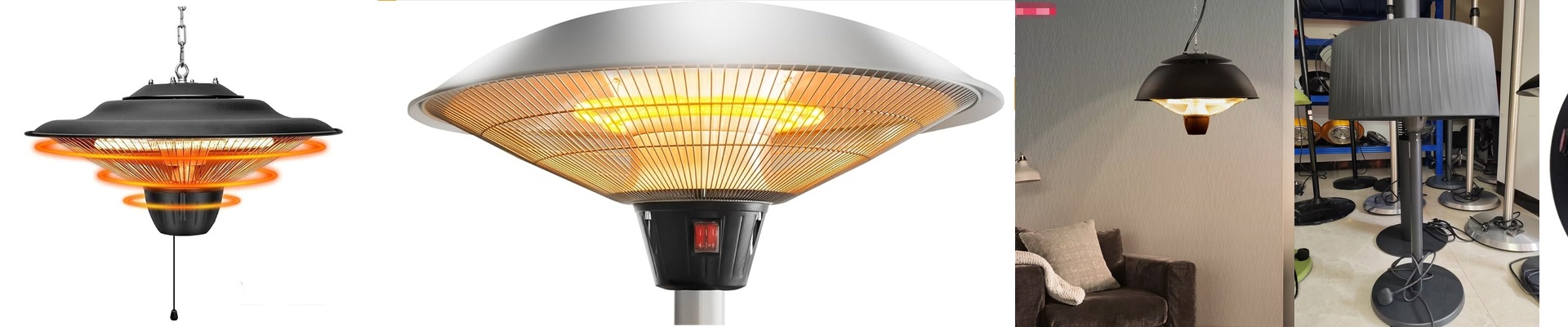




On a cool evening, the living room can feel drafty long before the thermostat even notices. You want warmth that shows up fast and feels natural—not a blast of hot air that dries everything out. Infrared electric heaters do exactly that, delivering radiant heat that warms people and objects first, instead of just heating the air.
What matters, technically
Infrared heaters rely on a radiant element—usually a carbon fiber or quartz tube—to emit long-wave infrared warmth. That energy travels in straight lines and gets absorbed by the body, giving you a gentle, penetrating heat. No fan noise. No moving air to stir up dust. Most models run on a standard 120V outlet, pulling 1,200–1,500W, and keep things steady with a simple thermostat. Make sure the safety basics are built in: tip-over protection, overheat cutoff, and a solid, stable base.
Why it fits the way people live
When the family gathers, comfort should do more than bump up the room temperature. Infrared warmth reaches the skin and the tissues underneath, encouraging blood flow and helping muscles relax. That can make evenings easier on the body—especially for anyone who feels cold in their joints, or who just wants heat without the noise. Because the heat targets people and surfaces directly, you feel cozy sooner. That often translates to more controlled energy use compared with heating the whole house.
The things you actually need to keep in mind
Infrared heat is directional. Position the heater so it shines on the seating area, not straight at a wall. Keep a clear space around it, and never block the front. It warms what it hits—but it won’t heat an entire room by itself. For best results, use it in the area you’re actually in, and pair it with decent insulation and draft-sealing. This is focused comfort: effective, quiet, and easy on the air. Use it where you need it most.