
Introduction
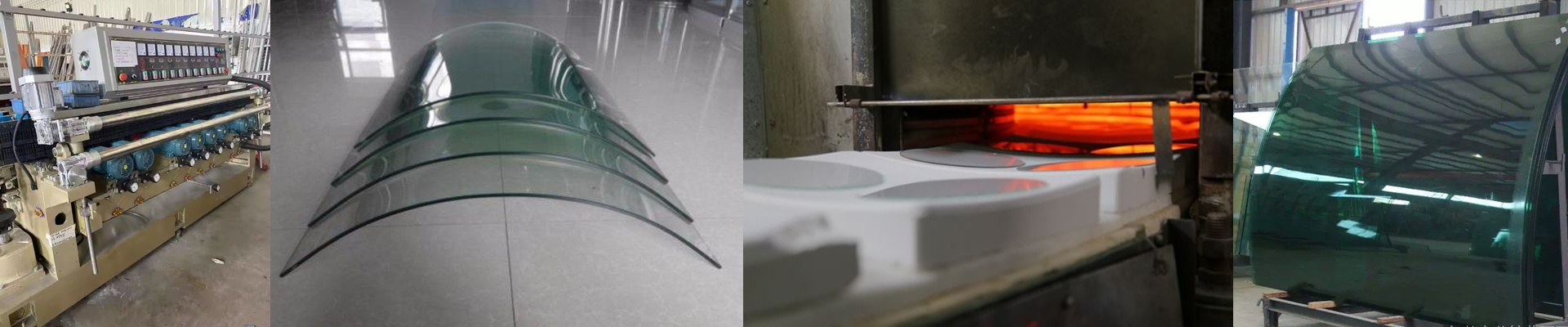
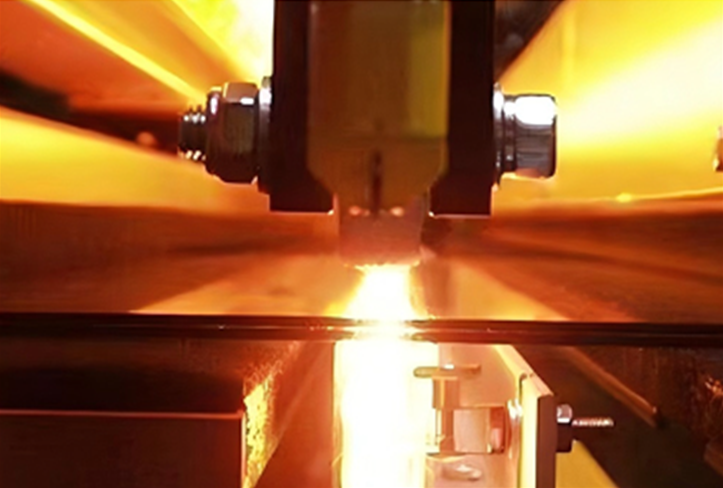
Let’s cut to the chase. We built the Gold Reflector Plate Infrared Heater for one reason: to solve the headache of annealing glass. You know the problem. You’ve lived it. Complex glass shapes—those tricky curves and sharp angles—always create cold spots. Standard heaters just can’t reach into those dead zones, and what happens? Stress fractures. Wasted product. So we went a different route. We paired a focused infrared lamp with a gold-plated reflector. The result? Heat that hits exactly where it’s needed, no matter the geometry. Finally, those blind spots are gone.
Power Where It Counts
Getting serious heat into a tight spot takes serious power density. That’s why we set these heaters at 2500W, running off a 400V supply. Going with high voltage keeps the current draw down, but you still get the wattage you need for that snappy thermal response. The tube itself is 300mm long—just enough to give you a solid heating zone without taking up a ton of space in your lehr. It means you can zero in on the tough spots, the curves, the edges, without having to set up a massive, power-hungry array.
The Built-Tough Details
At the heart of it all is a shortwave halogen element, tucked inside a high-purity quartz tube. This stuff can handle the shock of rapid on-off cycling, and it just plain works for transmitting infrared energy. But the real star? The gold-plated reflector plate. It bounces over 95% of the IR energy right back onto the target. No energy wasted. No heat bleeding off into the machine. For the install, we went with an R7s connector. It’s a standard industrial fit, tough as nails. You get a quick drop-in replacement, and it locks the lamp in place, so even with vibration, the focal point stays rock-solid.
What It Feels Like on the Line
When you’re annealing glass, what you’re really after is uniform stress relief. With the gold reflector plate, the infrared beam wraps around those complex shapes, hitting every square millimeter with the same heat. That means you don’t have to slow the line down just to compensate for cold spots. Now, there is a trade-off. A 2500W unit on 400V throws off a lot of ambient heat. You need to make sure your machine’s cooling and ventilation can handle that heat rejection. If they can’t, you’ll shorten the life of the electronics. So, just double-check that part.