Stop Letting Your Patio Go to Waste This Winter
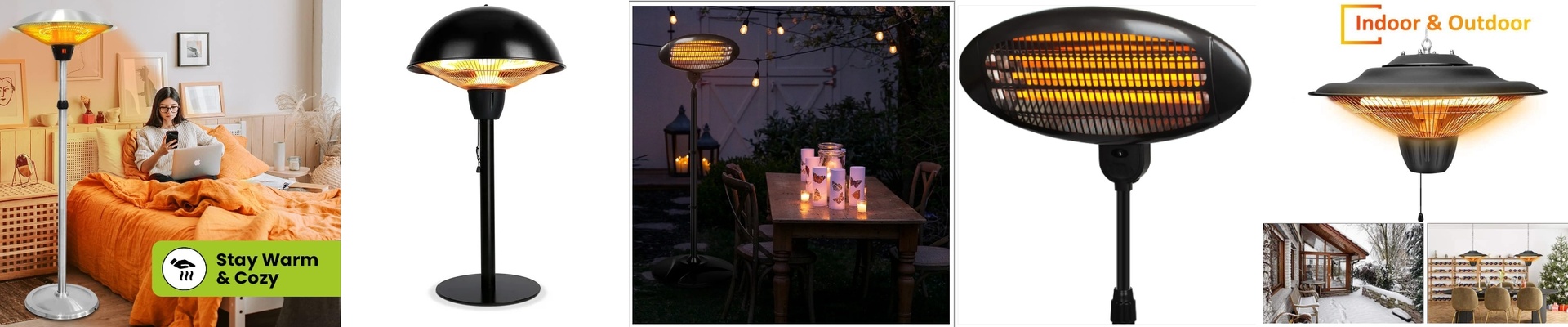
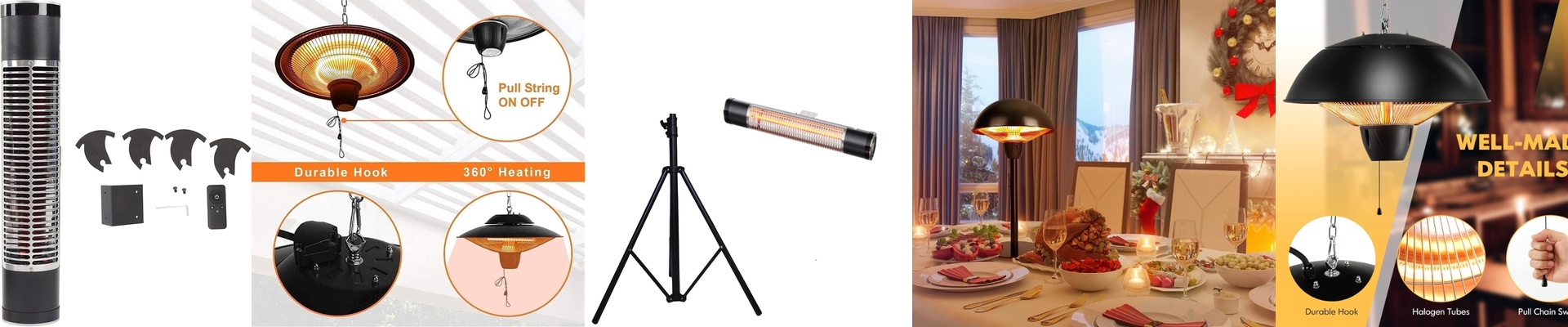
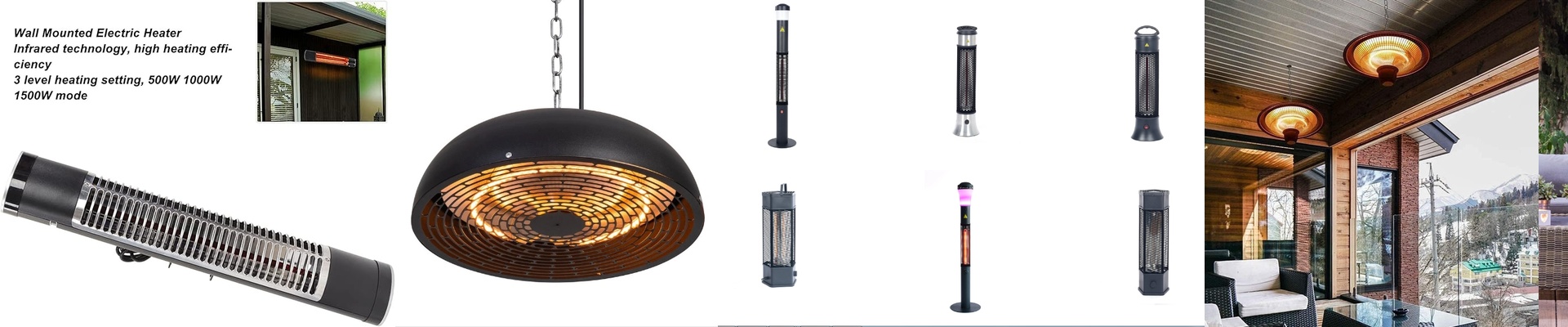
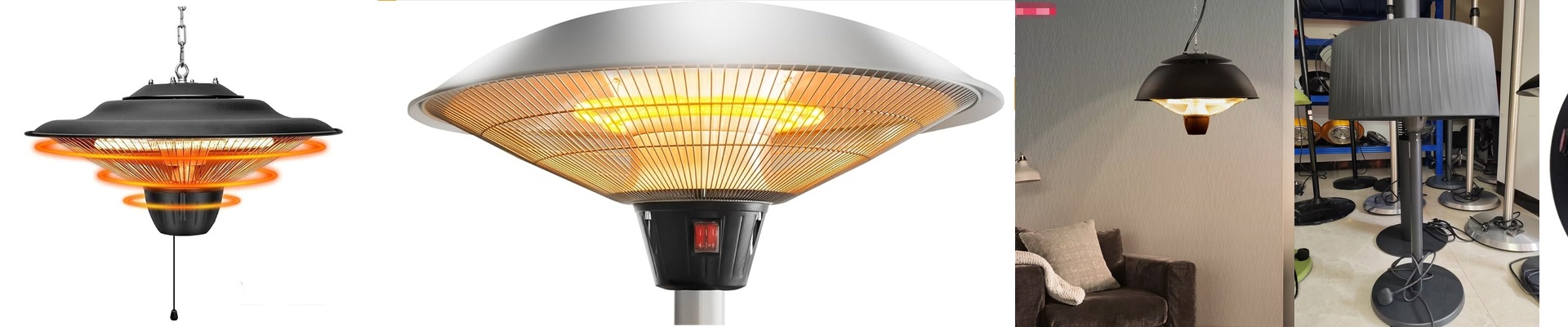
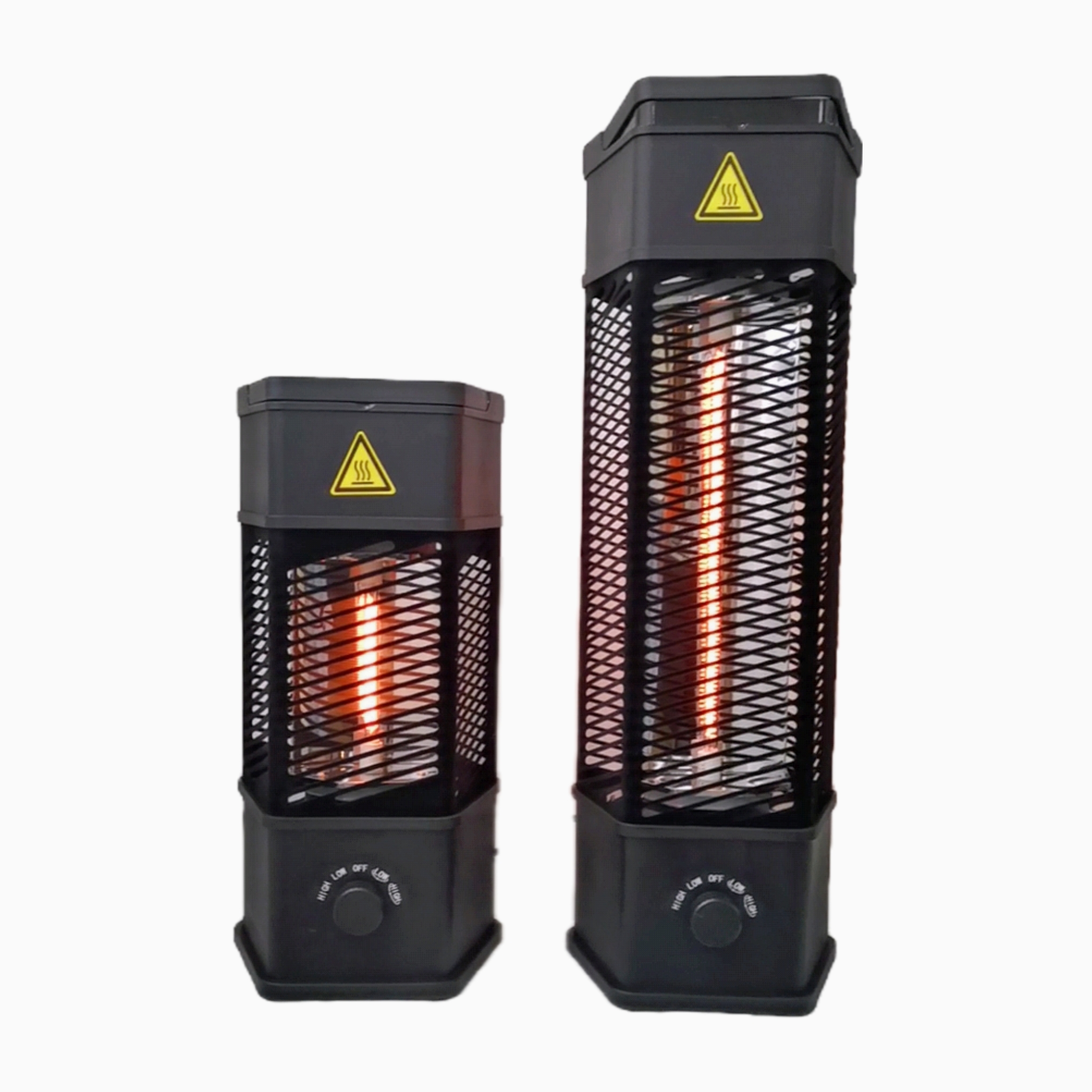
It’s a bummer seeing a great outdoor dining area sit empty just because the temperature dropped. Most people try to fix this with those big forced-air heaters, but let’s be honest: they don’t work outside. The second a breeze hits, all that expensive warm air just drifts away, leaving your guests shivering. That’s why we lean on shortwave infrared. Here is the trick: it doesn’t bother trying to heat the air. Instead, it beams warmth directly onto the people and the furniture. It’s more like standing in the sun on a crisp October day. You feel it instantly. The “Heat Zone” Secret These emitters get incredibly hot to create a concentrated beam of warmth that cuts right through the cold. When we set these up for a restaurant, we don’t just guess where they go. We map out specific “heat zones” right over the tables. The result? Your customers sit down and feel warm immediately. No waiting around for the area to “warm up” while they contemplate leaving. Better Comfort, Better Margins It’s simple: cold people leave. They finish their drinks fast, skip dessert, and get the check. When your guests are actually comfortable, they linger. They order that extra round of drinks or a coffee. By keeping them warm at the skin level, you’re essentially extending their visit, which is a huge win for your bottom line. Plus, you get to actually use your terrace in December. That’s a lot of extra square footage that usually just collects dust for six months of the year. A Few Real-World Warnings You can’t just throw these on a wall and call it a day. If you mount them too low, your guests will feel like their heads are baking while their toes are freezing. It’s all about the height. We usually overlap the heat cones so there aren’t any weird cold spots between tables. And please, check your power. These units are power-hungry. If you try to plug ten 2kW heaters into one circuit, you’re going to trip the breaker in about five seconds. Talk to your electrician and plan your load distribution before you start drilling holes in the ceiling. It’ll save you a massive headache later.