
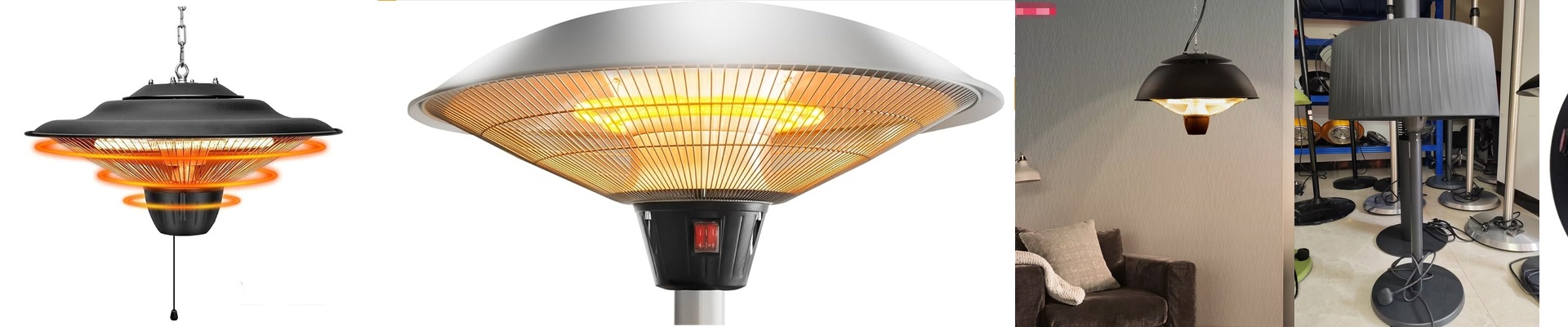

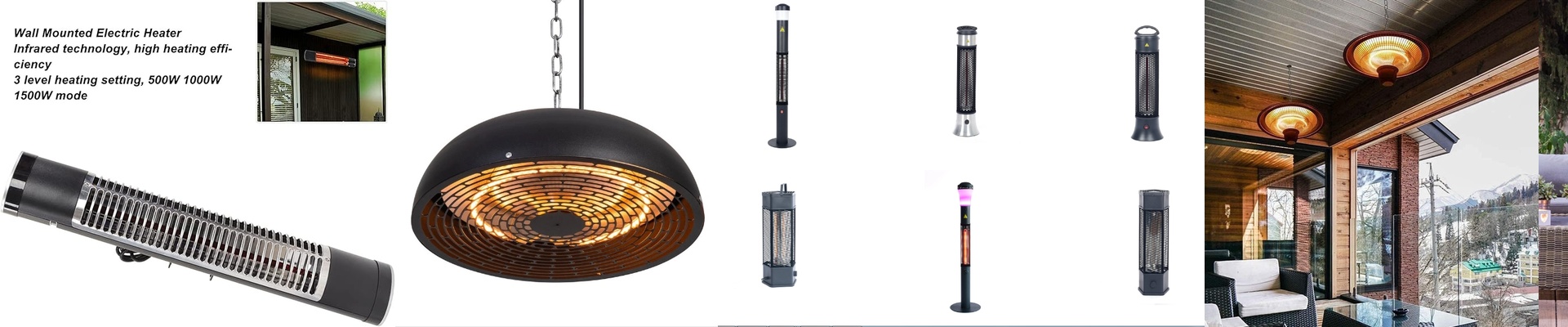
On the glass line, heat is never just heat. It’s cycle time, it’s optical clarity, and it’s the thin line between a sheet that ships and one that fails at final inspection. When the furnace—or the laminating press—lags on temperature recovery, you pay for idle conveyor minutes and you pay again in rework from uneven heating. Short wave infrared (SWIR) heating tubes are built for that reality. They deliver fast, directional energy right into the glass surface, with a lot less wasted convection. That lets you pull heat quickly and hold it evenly across the load.
What matters, technically
SWIR tubes live in the short wave infrared band, with peak wavelengths typically around 1–1.5 µm. In practice, that means the glass surface absorbs the energy strongly, so you spend less time climbing to temperature and less heat gets dumped into the surrounding insulation and frame. When you translate that into production, the performance you can measure comes down to three numbers:
- Rapid temperature rise:In an open-air fixture, a SWIR tube can hit operating temperature within3–5 seconds. That fast response shortens warm-up and recovery after door openings, glass entry gaps, or line changeovers.
- **Temperature uniformity:With tight control of element geometry and reflector layout, we target±2%**temperature uniformity across the heated zone. Uneven heat creates thermal gradients, and those gradients show up as stress marks, roller wave, and optical distortion.
- Power density:Depending on the process and tube length, power density can be set between30–60 W/cm². High density supports fast heating for tempering and coating cure; lower density profiles can be chosen for gentler heating in bending or lamination preheat. Construction stays practical because the floor doesn’t forgive pretty. The tube body is quartz, chosen for high thermal shock resistance and stable transmittance in the SWIR range. Inside, the filaments are arranged so the radiant output stays consistent along the entire active length—no hot ends and no cold spots in the middle. We size tubes to fit common machine envelopes, with standard lengths and diameters that match OEM spacing and mounting. Termination options include ceramic or metal end caps, with pin or threaded connections, so the tube drops in as a direct replacement without reworking the heater block.
Why this fits the way glass actually moves
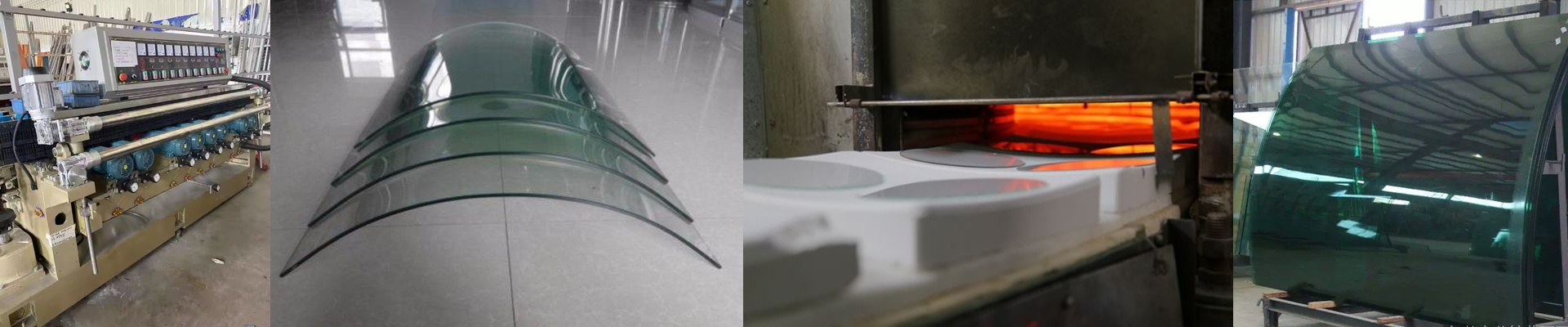
Glass processing is a chain of thermal events, and each one has a tight window. Intempering, the furnace has to deliver a uniform heat soak quickly enough to avoid shape memory and keep the quench consistent. SWIR tubes heat the surface fast and predictably, so the glass reaches temperature with less time at the edges. That cuts the risk of thermal stress fractures and edge cracking during bending and quench. The payoff is fewer breakages and a steadier output rate. Inbending, you’re after controlled sagging, not scorching. SWIR heating gives you precise zone control: hold the center hotter while the edges stay at the right viscosity. That improves repeatability on bend radius and reduces optical defects. Inlamination(EVA, SGP, PVB), the press needs to hit the film flow window fast and hold it evenly. SWIR tubes preheat the glass surface before the press closes, shortening the dwell time needed for full adhesion. That trims cycle time and lowers the chance of bubbles, haze, and edge dry-out. Incoating drying and curing, the film is sensitive—overheating the substrate is easy to do. SWIR energy is absorbed mostly at the coating layer, so you get faster solvent removal and crosslinking without cooking the glass bulk. That helps preserve coating integrity and optical performance. Ininsulating glass sealing, the secondary seal has to melt and flow without stressing the primary seal. SWIR heating gives you localized heat along the sealant path, so you can reach the required temperature quickly and consistently—even when ambient drafts and line airflow are shifting around. Energy use follows the same logic: the faster you can heat and the tighter you can hold setpoint, the less you waste. SWIR heating concentrates energy where it’s needed, so you spend less time heating the whole chamber and more time heating the glass. On many lines, that shifts the energy budget away from standby losses and toward productive throughput.
The real-world constraints you plan for
SWIR tubes are tough, but they still have constraints you should respect.
- **Clear line-of-sight:**Radiant heat needs an unobstructed view of the glass. Keep tube spacing and reflector geometry aligned to the glass width. If you run variable sizes, use zoned heaters or adjustable reflectors so small parts don’t end up with cold edges.
- **Temperature control discipline:**Fast response needs fast sensing and tight control. Use matched thermocouples or pyrometers placed close to the glass plane, and tune your PID to prevent overshoot during recovery.
- **Cooling and environment:**These tubes run hot, and nearby hardware can bake if airflow is short. Make sure mounting brackets and adjacent components are rated for the local temperature, and provide adequate cooling where needed.
- **Handling and maintenance:**Quartz is strong, but it’s not immune to mechanical shock. Install with clean gloves, avoid oils, and inspect for hot spots or discoloration during routine checks. Keep spares scheduled so the line doesn’t wait when a tube reaches end of life. If your line is chasing fewer rejects, faster cycles, and steadier temperature recovery, SWIR heating tubes are a practical lever to pull. The numbers—fast rise, tight uniformity, and controlled power density—come down to one thing: repeatable heat. And repeatable heat is what keeps glass moving through the plant.