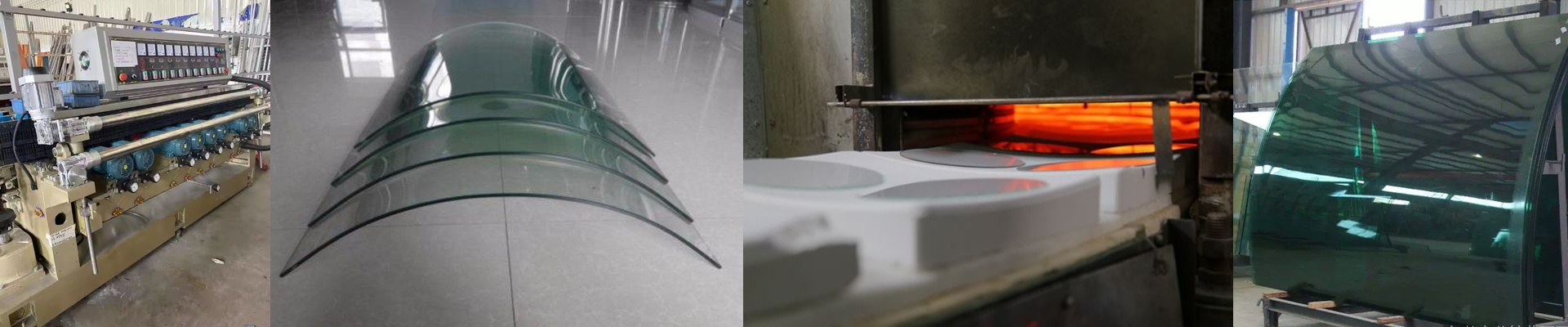

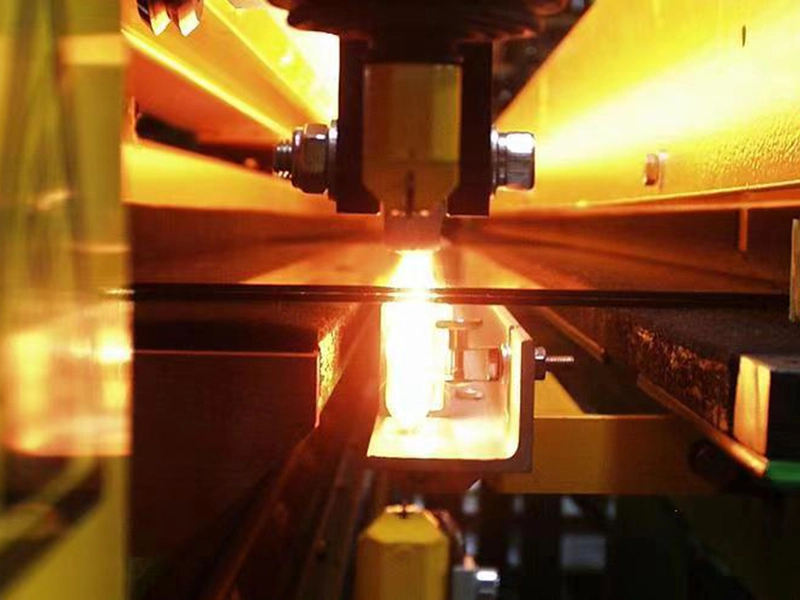
On the line, the structural glazing sealant cure has to keep up with tempering, bending, and insulating glass assembly—without cooking the glass or leaving uncured beads. When the heat drifts, you’re staring down adhesion risk, callbacks, and rework that chews through yield. We built our medium-wave infrared heating modules to jump into the cure window fast, then hold it steady. What matters technically We run medium-wave infrared emitters tuned to the sealant’s exotherm profile, hitting the bead with rapid, controlled energy. The thermal profile is repeatable: it cures the bead without scorching the glass edge. Keeping temperature uniform across the cure zone cuts the local gradients that push thermal stress and edge micro-cracks after assembly. The system is built for the floor—steady emissivity behavior, consistent output, and thermal cycling that keeps pace with line speed. Why it works in structural glazing The sealant needs full cure without distorting the adjacent glass or weakening the structural bond. Our module shortens dwell, cuts rejects from under-cure, and keeps the process window consistent shift after shift. It drops into existing sealing lines and supports controlled stress relief along the sealant path, so the glass stays flat and the bond holds through handling and environmental cycling. Here is the practical bit Infrared curing is line-of-sight; glass reflectivity and bead geometry can change how much energy gets absorbed. We size power and spacing to cover the intended path width, and we recommend validating the profile with a thermocouple sweep on your actual glazing geometry. Keep the emitter array aligned and clean, and match the cure schedule to the sealant maker’s exotherm curve.