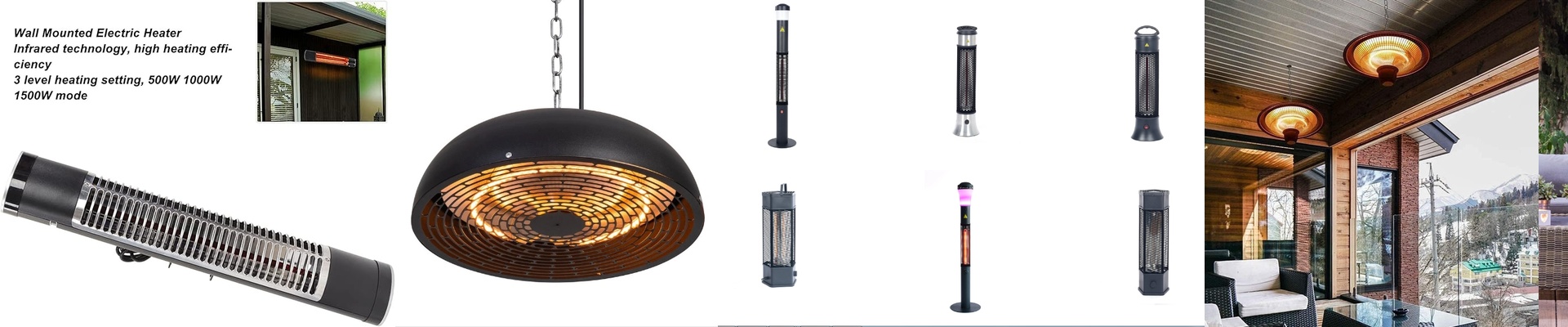
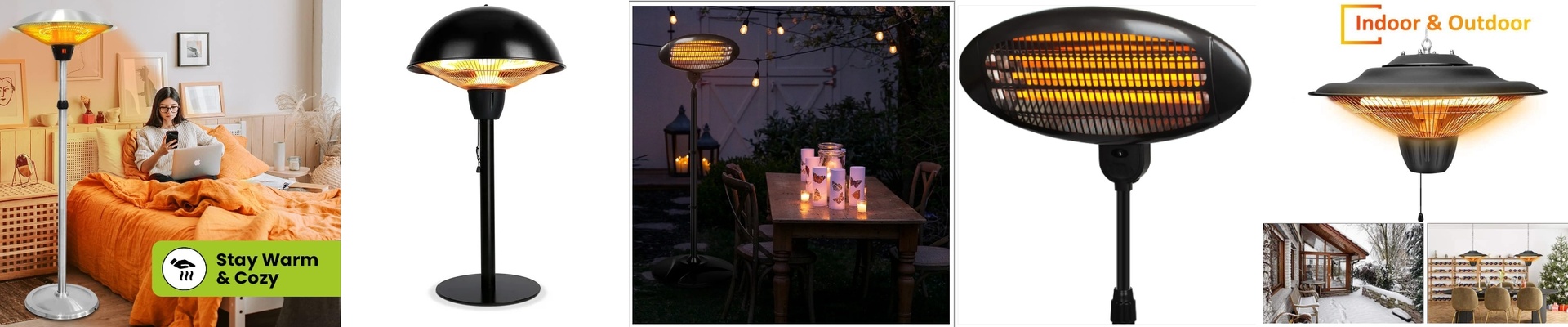
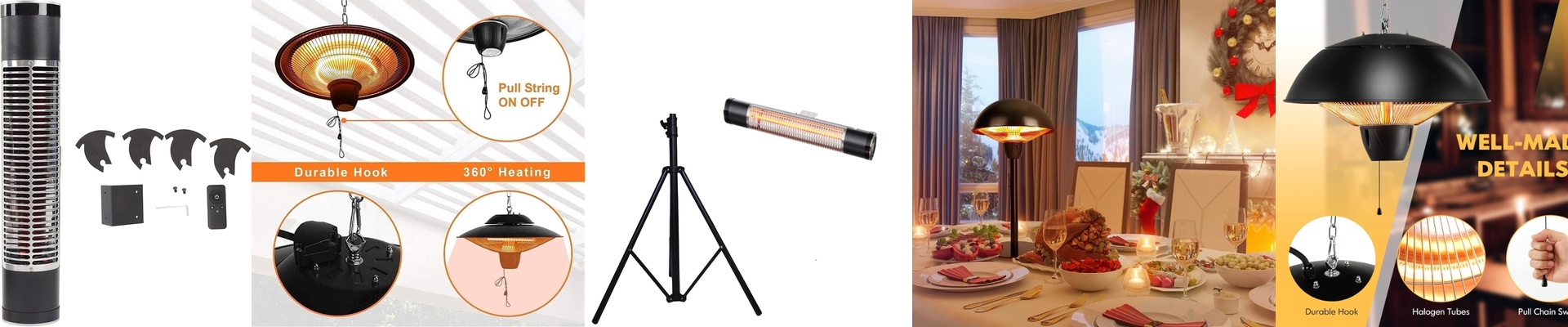
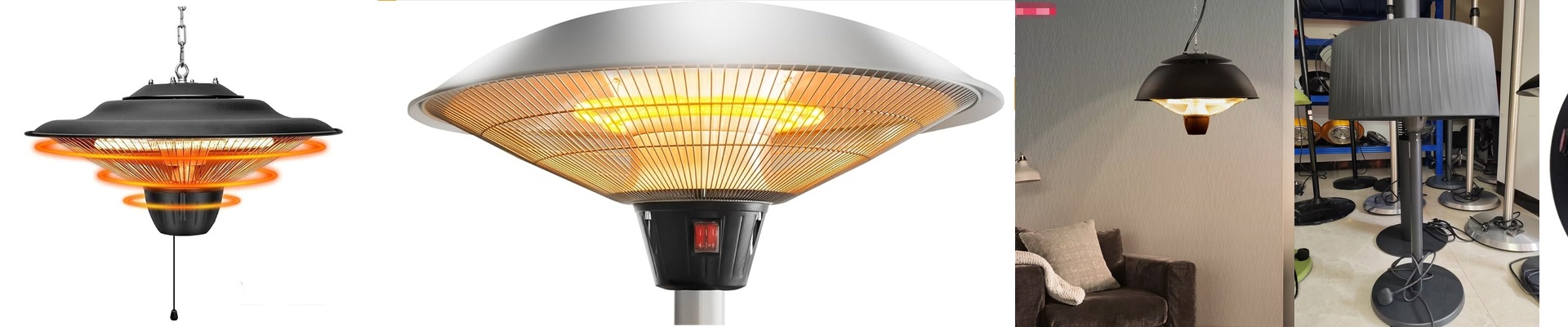

Walk any trade show or supplier aisle and the message is the same: wall-mounted fireplaces and outdoor heaters everywhere, all selling comfort. Comfort doesn’t matter, though, if the unit isn’t trustworthy. When everything looks alike, the only practical filter is a certification you can actually verify. That’s why CE-certified infrared wall-mounted heaters keep getting the repeat orders. What matters under the hood We build these around quartz infrared elements. Radiant heat warms people and objects directly, not the air, so you get comfort the moment it’s on—and you don’t lose most of it when a door opens. Each unit is designed for 230V hardwired installation, with internal overheat protection and a mounting bracket that holds steady at height. The CE mark means the design has been assessed against strict European safety standards for electrical heating products—covering construction, thermal management, and the necessary safeguards. Why this matters in the field When you’re sourcing for homes, hospitality, or covered outdoor living, failure is expensive. A heater that underperforms leaves guests cold, and a heater that raises safety concerns creates real liability. CE certification gives you an auditable baseline. In practice, that translates into fewer callbacks, fewer inspection surprises, and warmth that feels even and calm—no blasting hot air, no dryness, just quiet infrared warmth. What to plan for These are hardwired and wall-mounted, so professional installation is the way to go. Plan on a dedicated circuit and confirm the wall structure can handle the bracket load. In very exposed outdoor spots, check the IP rating and add an in-line GFCI where required. One practical note: radiant heaters warm surfaces, so positioning matters. Keep clearances to nearby materials, and don’t place the heater where furniture or curtains can block the infrared path.