
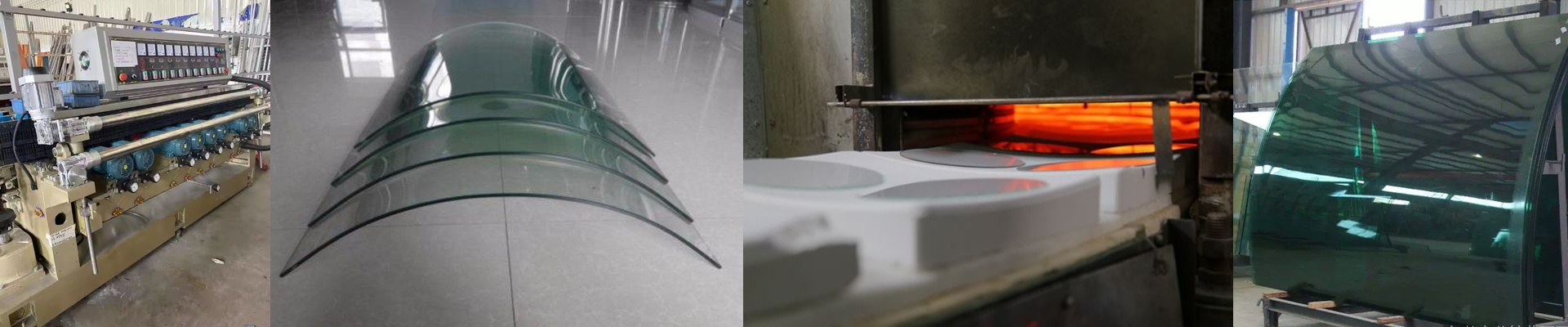
On the glass line, heat isn’t just heat. It’s control. One hotspot during tempering and you get optical distortion. A cold zone during lamination and you’re left with uncured edges. A lag in coating drying and the whole line backs up. We built our custom quartz heaters for glass to take the guesswork out of that, so the furnace, oven, or autoclave does one thing: hit the setpoint, steady as she goes. What matters, technically We run quartz elements tuned for fast, directional infrared output, so the energy goes into the glass, not the air around it. That translates to quicker ramp-up, shorter soak windows, and less thermal inertia to fight when you switch thickness or color. You can spec power density, voltage, and length to match your machine geometry, and get tight hot-zone uniformity with repeatable emissivity response. The payoff is predictable temperature profiles across the glass, which cuts thermal stress and scrap. Why it works where you need it In tempering, even heating sets you up for even quenching, which improves strength and optical clarity. In bending, controlled heat across the mold area helps you hold shape repeatability without torching the edges. For EVA/SGP/PVB lamination, the heater brings the stack into the activation window fast and even, shortening cycle time and keeping bubbles out. For coating drying and insulating glass sealing, the quick response keeps the line moving instead of waiting for the chamber to settle. You also save energy because the heater spends less time idling and more time doing useful work. The details that keep it honest These heaters are engineered for specific thermal profiles, not a one-size-fits-all approach. Interface dimensions, mounting tolerances, and clearance around reflectors have to match your equipment. Expect shorter element life at very high power density or in high-humidity environments; we size conservatively and recommend regular inspection intervals. Clean power and stable voltage matter, because transients show up as temperature drift on the glass. Get the spec right, and the heater becomes a dependable part of the process, not another maintenance headache.