


In a senior foot therapy room, you flip on the infrared lamps and the air stays cool. Your feet warm up. That’s the whole point. For older adults, cold feet aren’t just uncomfortable—they drag down circulation, tighten muscles, and make relaxation feel impossible. When the heat doesn’t hit right, the session drags, comfort slips, and you lose the therapeutic payoff.
What we lean on, technically
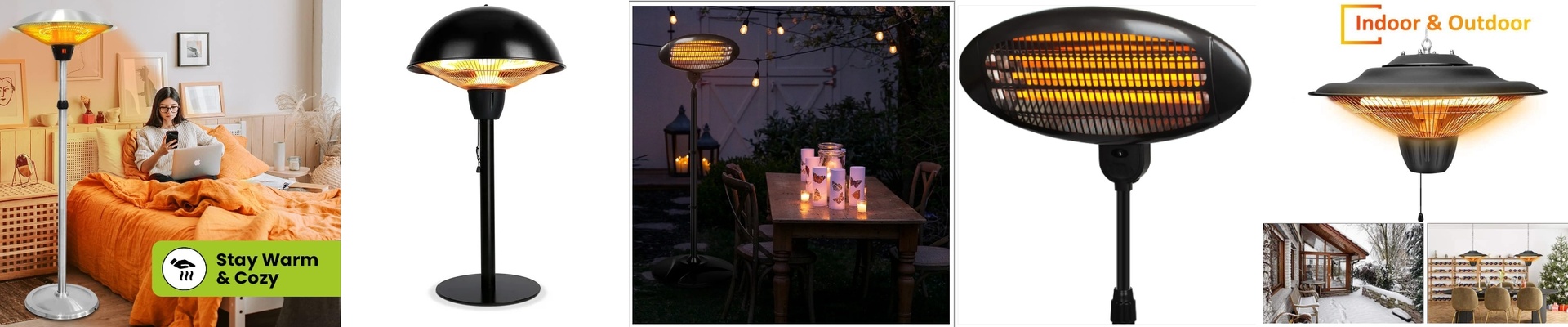
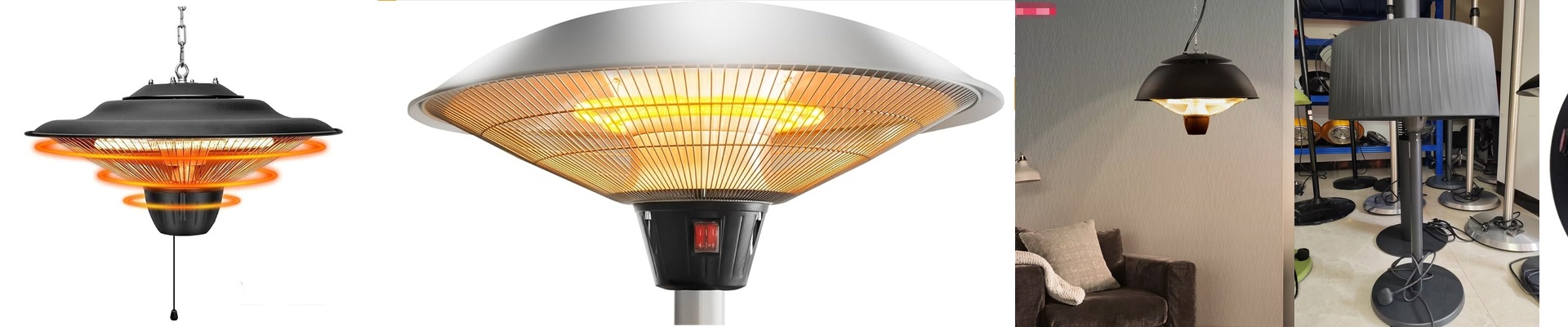
We build that warmth around short-wave infrared, delivered through quartz tubes. They radiate high-energy heat without trying to heat the whole room. The result is direct, localized heat that penetrates where it’s needed most. We tune the output for foot therapy—enough intensity to raise tissue temperature quickly, but still gentle enough for sensitive skin. These heaters run on standard 120V outlets, draw modest current, and pair with a simple thermostat so you can hold a steady, repeatable comfort level. The lamps sit behind a protective grille and mount into an adjustable bracket. That lets you position the beam so coverage stays consistent across both feet.
Why this fits eldercare
In eldercare, the goal is calm, steady relief that supports better blood flow. Infrared warms the foot from the surface inward, helping those small muscles relax and encouraging circulation that can feel sluggish after a long day. Because it’s radiant heat, you don’t have to warm a big volume of air to get the benefit. Sessions feel focused, not fussy. Users often notice their feet feel looser and more responsive, and caregivers like the clean, quiet operation—no forced air, no drafts. Just dependable warmth.
What you need to keep straight
Position matters. Keep the lamps 12–18 inches from the feet for even coverage and to avoid overheating. Start on the lowest setting and adjust until the feet feel warm without burning. These infrared heaters are for indoor, dry environments only. They’re not built for wet or outdoor exposure, so keep water sources away from the unit and cord. If you run the heater daily, give the lamps a weekly wipe and check the cord for wear. For anyone with reduced sensation, always test the temperature with your hands first, and never leave the unit unattended while it’s on.