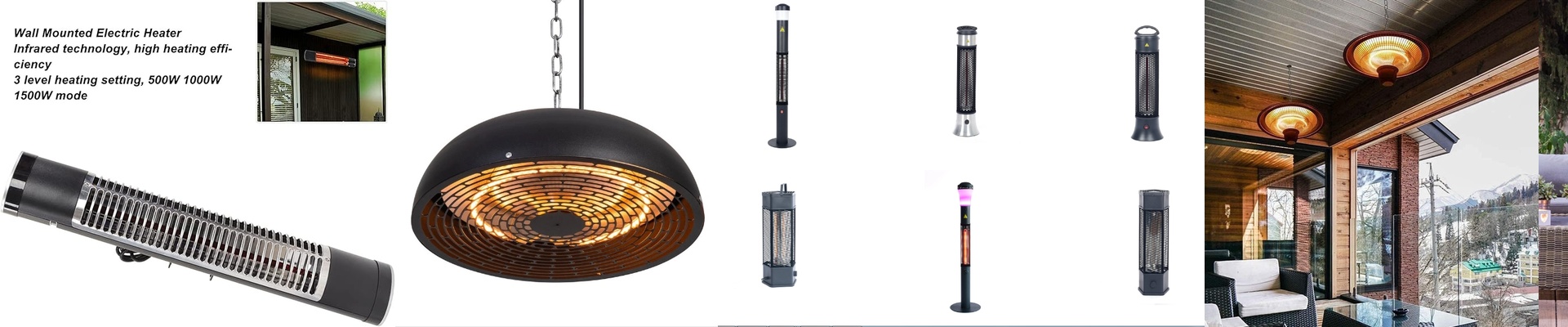
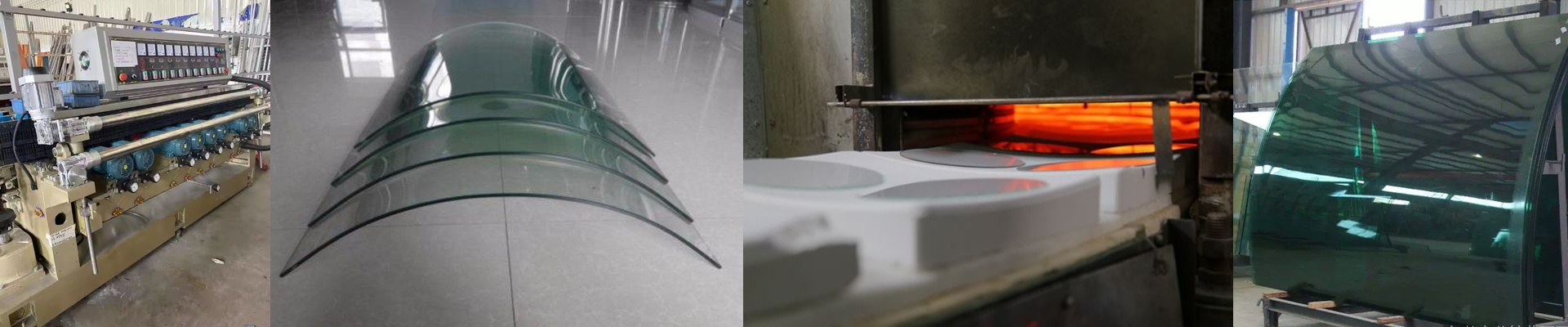

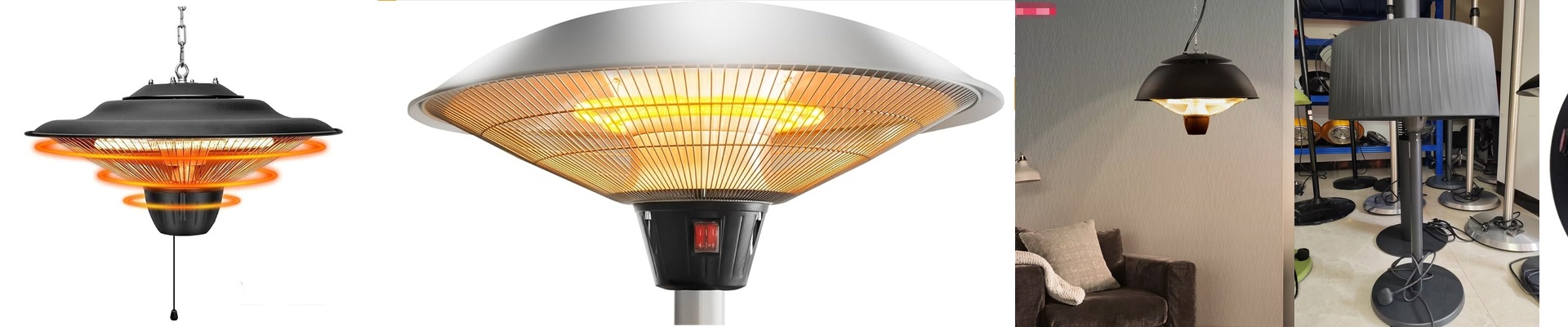
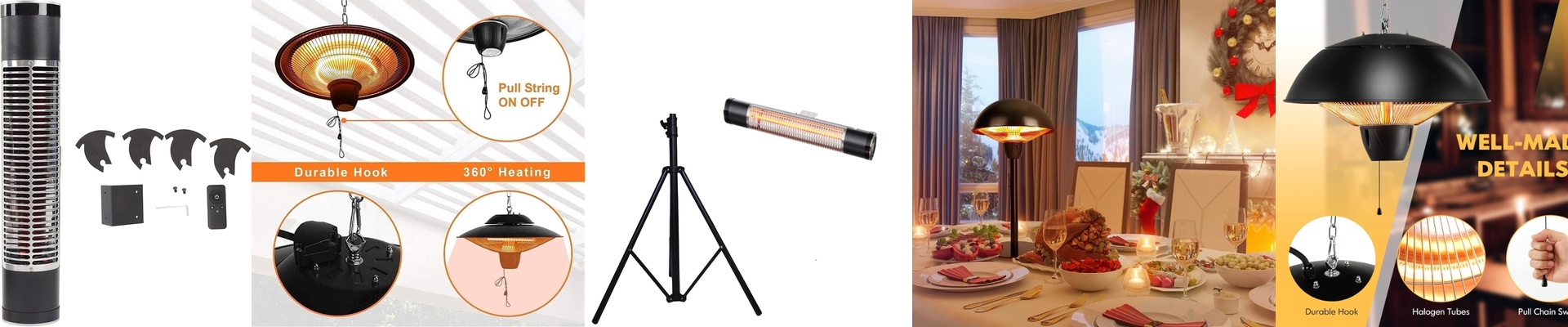
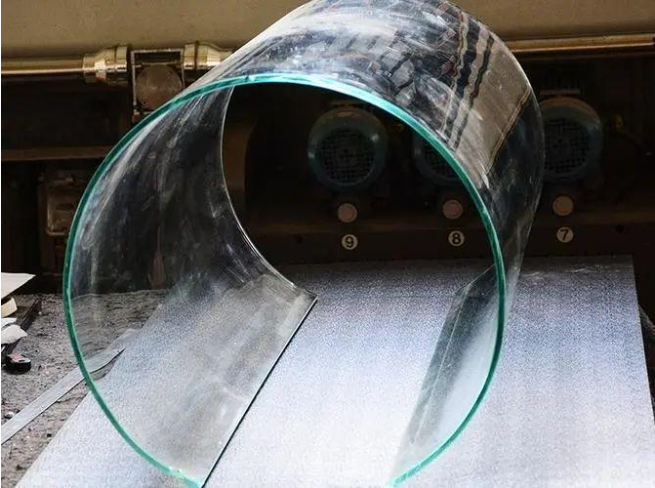
On the glass line, heat is more than just temperature. It’s timing, uniformity, and repeatability. If the forehearth heating element drifts or runs hot and cold across the face, you’re pushing the glass into thermal stress. That shows up as optical distortion and costs you yield—whether you’re bending, tempering, laminating, or drying a coating. We built our forehearth elements to keep the thermal field stable right where the glass transitions, so you stay in control of the process. We match quartz-halogen and short-wave infrared (SWIR) emitters to the glass emissivity, giving fast response and tight zone control. Typical ratings run 200–400 W/in, with standard voltages of 120/240/480 V, and a compact footprint that fits common forehearth blocks and retrofit slots. The geometry is laid out for even power density, so you don’t get edge-to-center deltas that drive warp and stress. You’ve got connection options with industrial plugs or terminal blocks, and the quartz envelope takes the thermal shock of rapid ramps without cracking. In hot bending, the element gets the glass into the forming window fast, then holds it even. That’s what keeps the bend profile repeating shift after shift. In tempering, it delivers the preheat without hot spots, so the quench stays consistent and breakage from thermal shock drops. In EVA/SGP/PVB lamination, it provides the controlled cure profile that drives adhesion and edge bond strength. In coating drying, it clears the solvent peak without overheating the substrate, so you cut blisters and haze. The payoff is fewer rejects, stable cycle times, and lower kWh per square meter. Installation is straightforward, but alignment matters. Match the element to the forehearth slot, confirm the thermal interface and emissivity conditions, and verify the control strategy—PID, SSR, and zone balance—to avoid overshoot. These elements have a finite service life at high temperature. Plan replacements around preventive maintenance windows, and you protect uptime.