

Why Your Bathroom Heater Is Actually a Dehumidifier
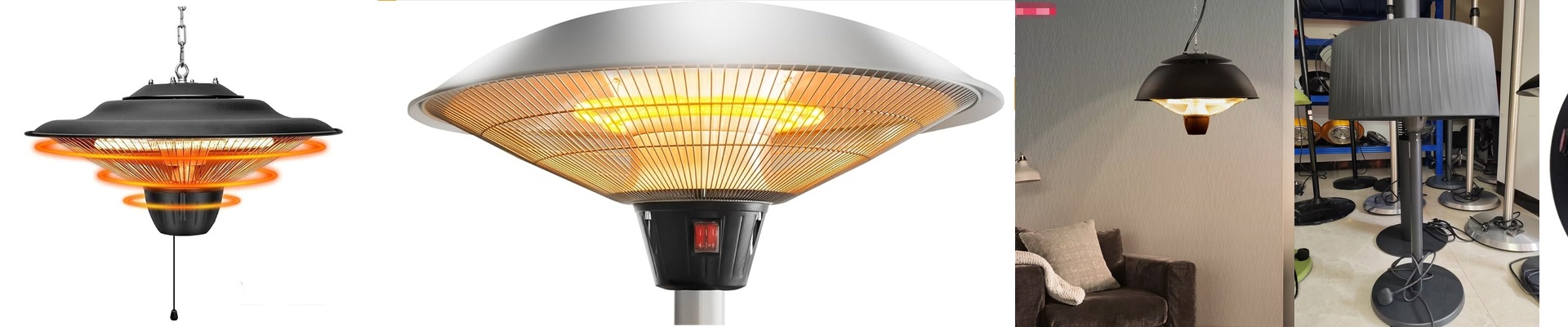
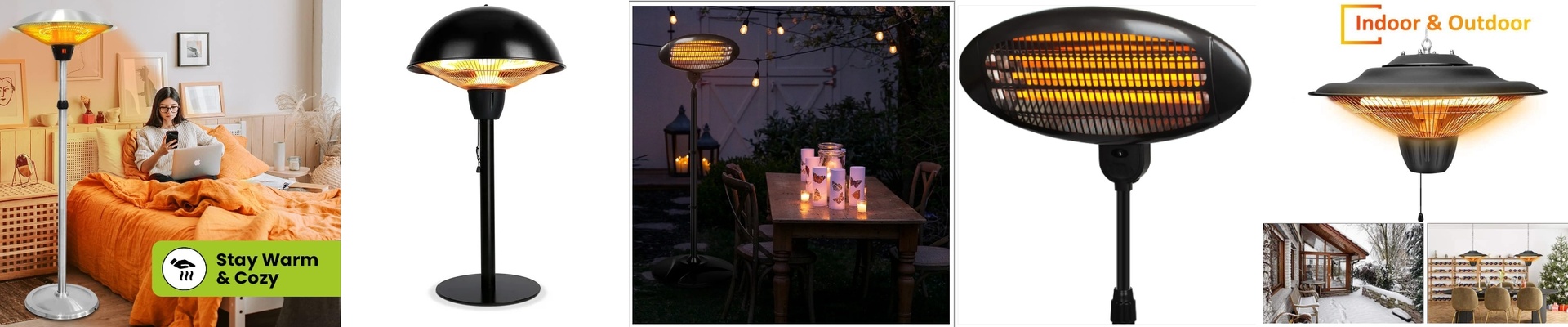
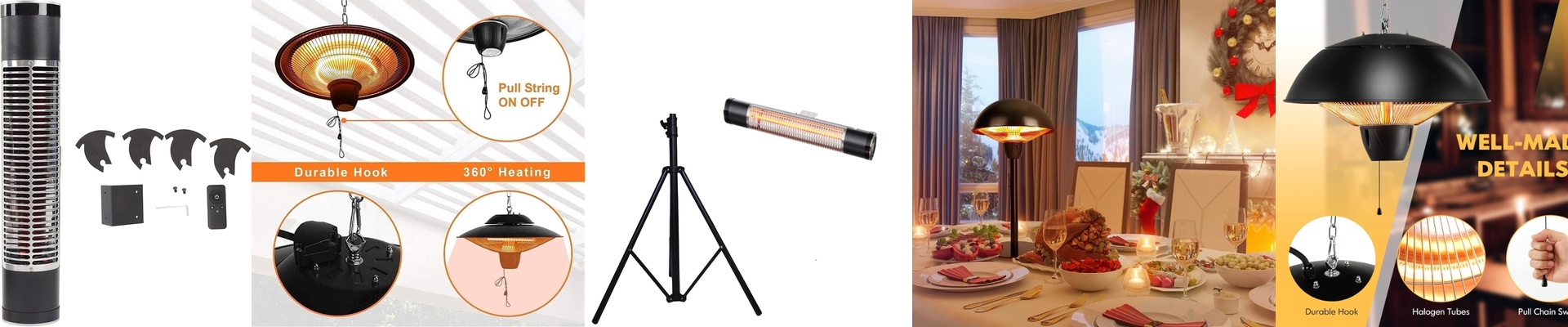
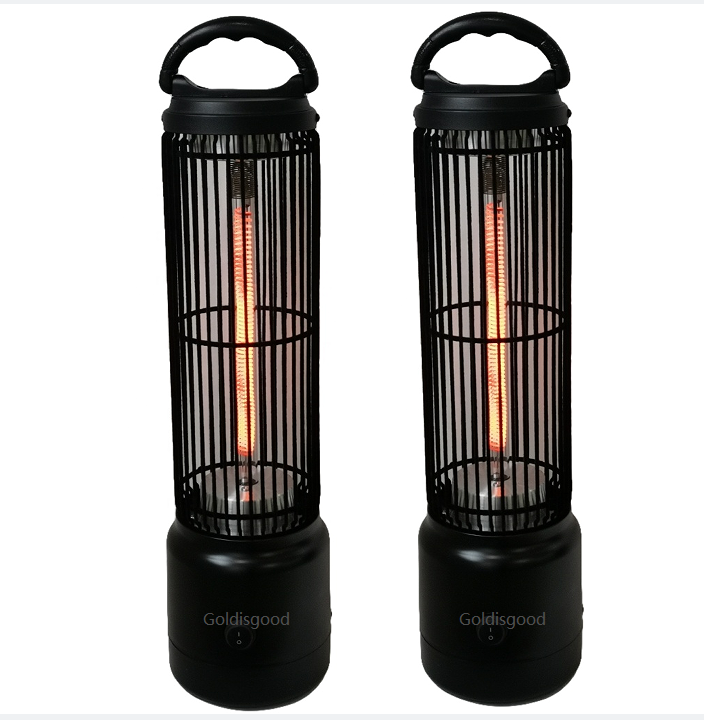
Most people think those heating lamps in the bathroom are just there to stop you from shivering when you step out of the shower. But from where I sit—on the engineering side—they’re actually doing a much bigger job. They aren’t just warming the air; they’re fighting moisture. We use shortwave infrared (IR) radiation for this. It sounds fancy, but here’s the deal: unlike a standard heater that just makes the air feel cozy, this specific kind of light goes straight for the water droplets clinging to your tiles and ceiling. It makes that water evaporate fast. And since mold needs humidity to survive, getting that moisture out of the room quickly is the best way to keep your bathroom clean and smelling fresh. The “Water-Proof” Part You’ll see a term like “IP65” on the specs. In plain English? It means the thing is sealed tight. Bathrooms are brutal on electronics. Between the steam and the splashes, any gap in the housing would lead to corroded wires or a short circuit within a few months. We seal everything up so the heating element doesn’t burn out the moment things get steamy. Heat, Power, and Your Tiles To get this to work, we push a lot of power through a very small quartz tube. It creates a ton of heat in a tiny space. You feel that warmth the second you flip the switch. But there’s a catch. Because it gets so hot, the housing has to be built from materials that won’t warp or melt. Also, your bathroom decor actually matters here. Dark tiles soak up this infrared energy way faster than white porcelain. So, if your bathroom is dark, you’ll probably notice the walls drying out a bit quicker. Keeping it Running Eventually, these lamps wear out. When they do, just make sure you get a replacement that matches the original voltage and wattage. If you grab a random bulb that looks the same but has a different “spectral peak,” it might still feel warm, but it won’t dry the room nearly as well. One last tip: when you’re swapping the bulb, double-check the connectors. If the seal isn’t tight, you lose that IP65 protection, and you’re just inviting moisture back into the electronics.