Keeping Your Patio Warm When the Weather Turns
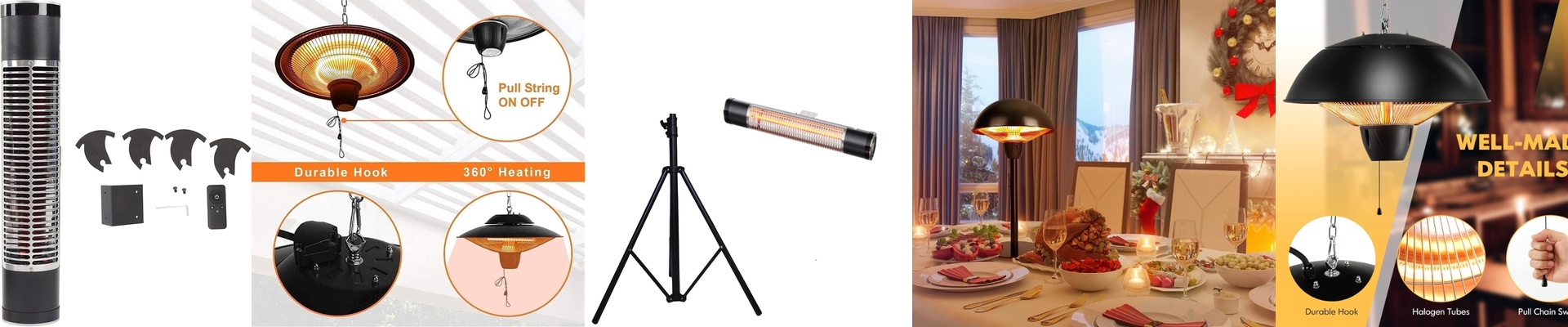
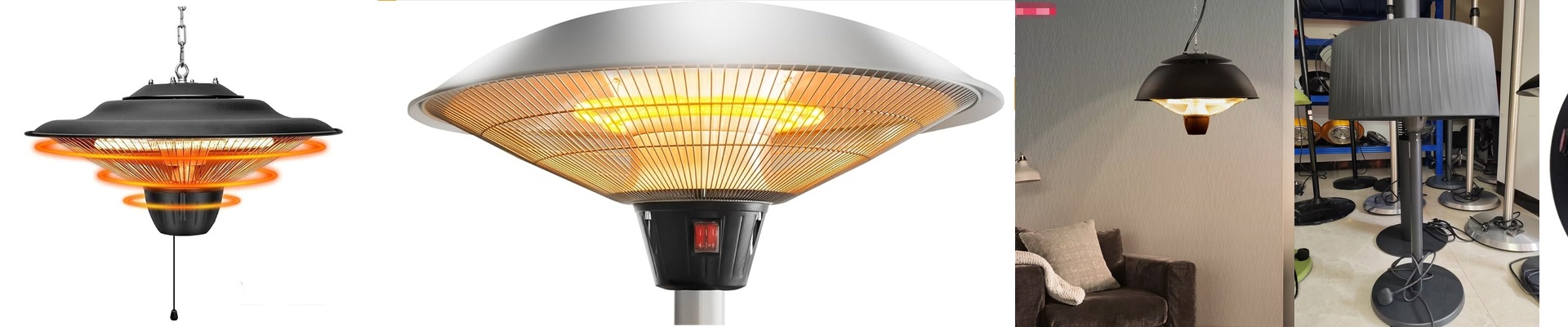
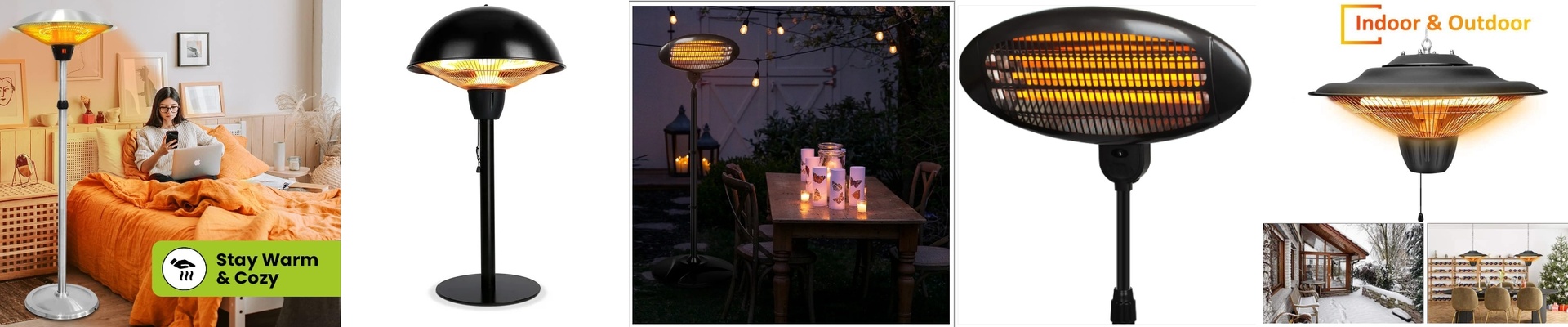
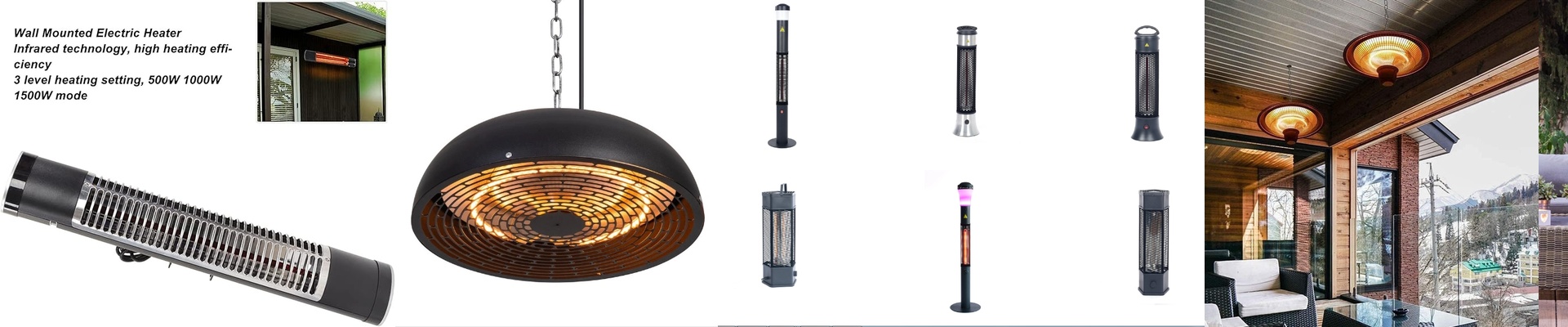
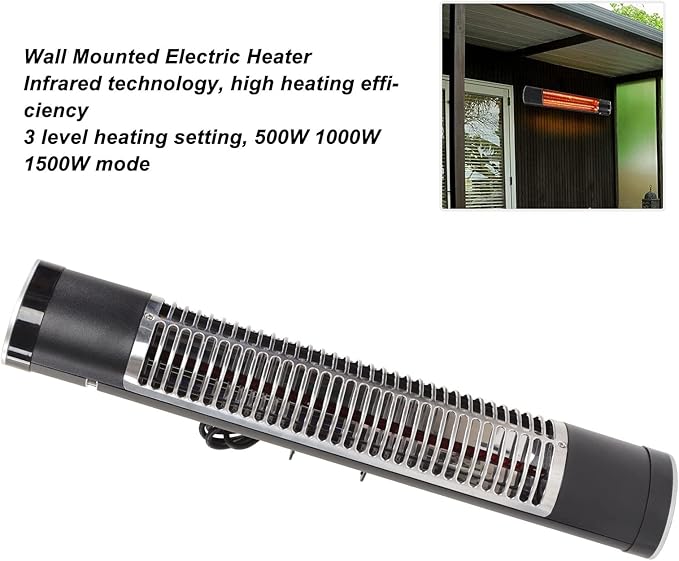
Let’s be honest: running an outdoor seating area in the winter is usually a nightmare. You watch your table turnover tank because nobody wants to freeze while eating their pasta. We fix this with infrared heaters. Here is the trick: most heaters try to warm up the air. But if there’s even a slight breeze, that warm air just vanishes. Infrared is different. It ignores the air and goes straight for your guests and their chairs. It creates a little bubble of warmth right where it actually matters. It keeps people in their seats even when the temperature takes a dive.
Dealing with the Elements
Outdoor gear takes a beating. Rain, humidity, salt—it’s a lot. That’s why we use IP44-rated units. In plain English? It means the housing is tight enough to keep out dust and splashes from any angle. This isn’t just some technical checkbox for safety. It’s about making sure water doesn’t hit the heating elements. If moisture gets in there, your quartz tubes can crack or your electrical contacts will just rot away.
Instant Heat, More Orders
We stick with short-wave infrared. The best part about this tech is that there’s no “waiting period.” The second a new group sits down, they feel the heat on their skin. No shivering, no waiting ten minutes for the unit to warm up. When people are comfortable, they stay. And when they stay, they order another round of drinks or an extra appetizer. Plus, because the heat is so concentrated, you don’t have to try and warm the entire patio. You just focus on the dining areas.
A Quick Warning on Wiring
Before you go buying a dozen of these, let’s talk power. These units need their own dedicated circuit. If you try to plug a bank of 2kW heaters into a standard residential breaker, you’re going to trip it almost instantly. Make sure your electrical panel can actually handle the load. If your wiring is too thin, you’ll get voltage drops, and your heaters will just feel weak. Get your amperage sorted out before you start drilling holes for the brackets.