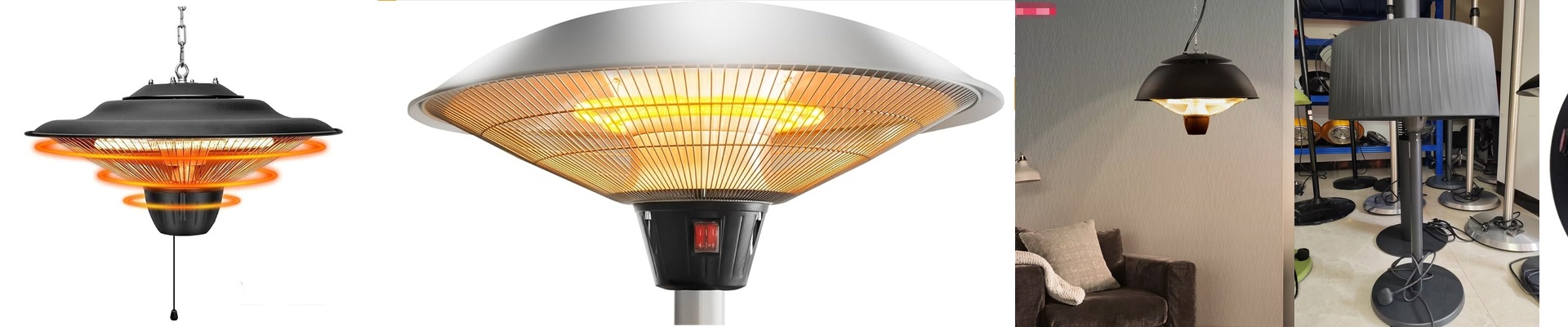
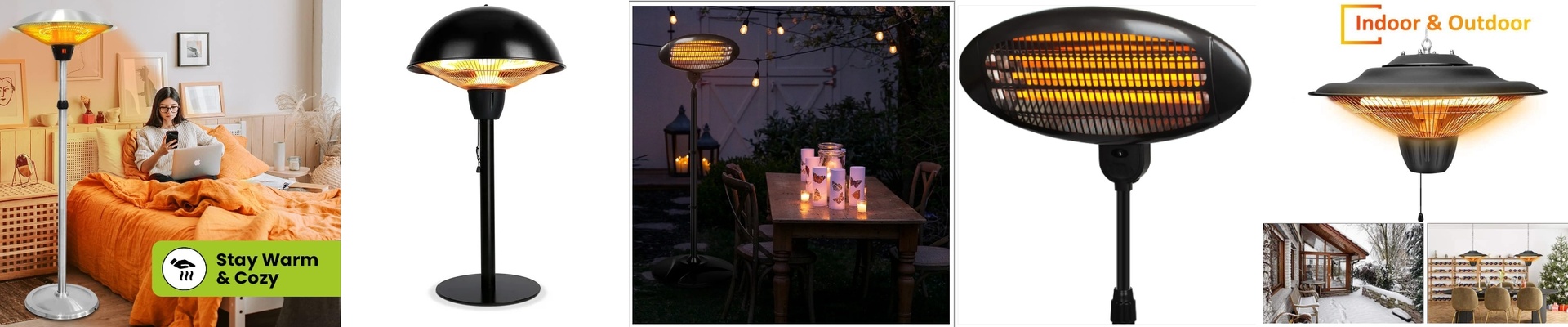
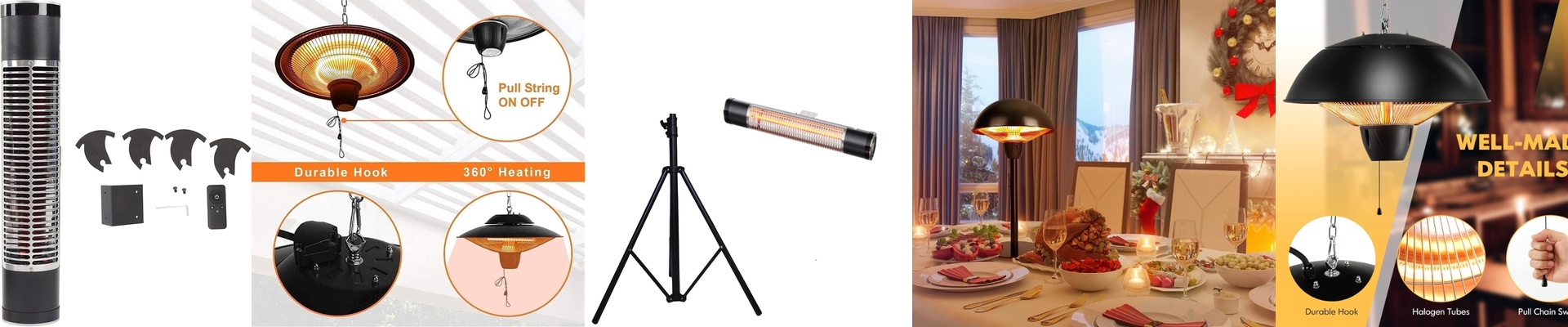
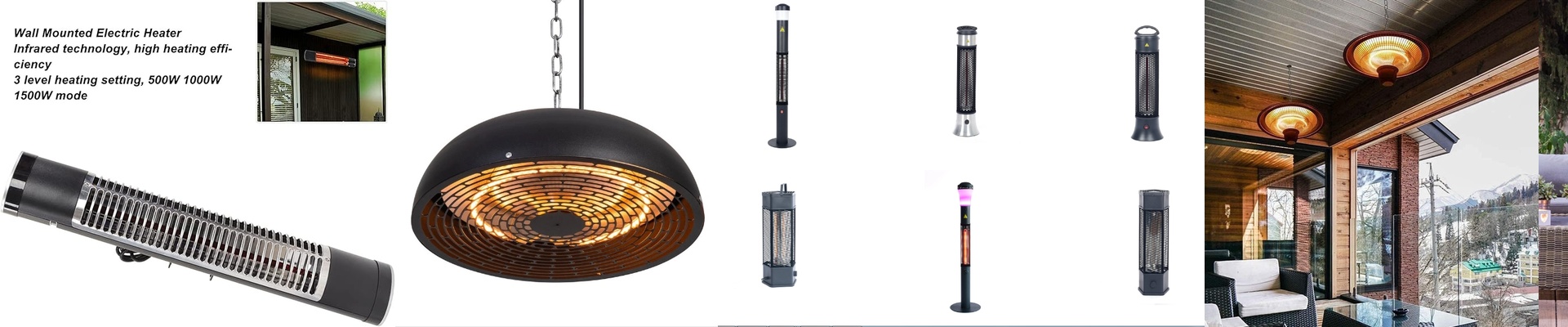
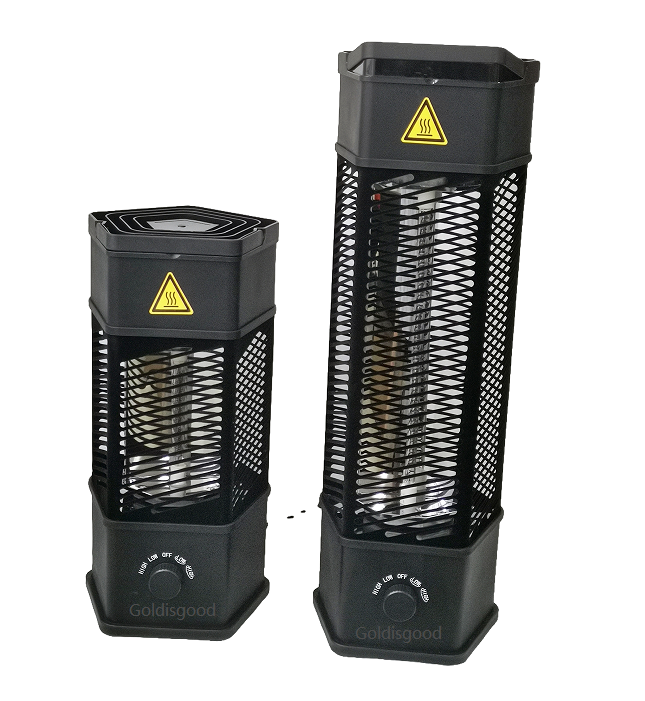
We make bathroom infrared heaters that are IP65 waterproof because, plain and simple, moisture is what kills them over time. If you want a unit that won’t let you down out in the real world, you have to force it to age under real heat and humidity. No shortcuts.
Power, voltage, and fit: built for tight spots
These heaters run on 220–240V and are sized to slip into snug spaces without giving up output. That compact footprint means you can mount heat where you actually need it, not just where a unit happens to fit. The wattage is high enough to respond quickly, but that also means you need to plan for proper wiring and thermal headroom on your end. If your panel is tight, make room for airflow and a little extra space around the terminals.
The guts: quartz, halogen, and a seal that earns the IP65 rating
Inside, you’ve got a quartz envelope with a halogen fill. Halogen keeps the filament stable when things get hot, so you get less blackening and steady output over time. And that IP65 rating? It’s not just a sticker. We seal the lamp base and gasket the joints to block water jets and steam from getting in. That’s exactly why we put units through湿热 aging tests—baking them in high heat and 100% humidity until any weak spot shows itself long before it ever reaches your production line.
What it feels like in a bathroom—under real punishment
Bathrooms are rough on heaters. Steam, cleaning cycles, and rapid on/off cycles wear things down fast. So we compress months of that abuse into days in the test chamber. The payoff is a unit that fires up quickly, holds its temperature, and doesn’t fold when the room fills with moisture. For engineers, that means fewer surprises on install and fewer callbacks. You wire it, seal the mounting, and the heater gets on with the job. One trade-off: the tough IP65 build does add a bit of bulk. So check that your fixture can handle the envelope length and base depth. And plan the mounting so water runs off the lens, not into the joint. We don’t “hope” the design holds up—we prove it. That’s how we keep our promise on quality.
Why aging testing is what sets quality apart
Aging testing isn’t a checkbox. It’s our quality control. Every batch goes through湿热 environment cycles, and we measure output drift and inspect the seals. If the numbers don’t hold, we change the seals, the materials, or how we assemble. You end up with a heater that survives actual bathroom conditions—not just a tidy lab test.