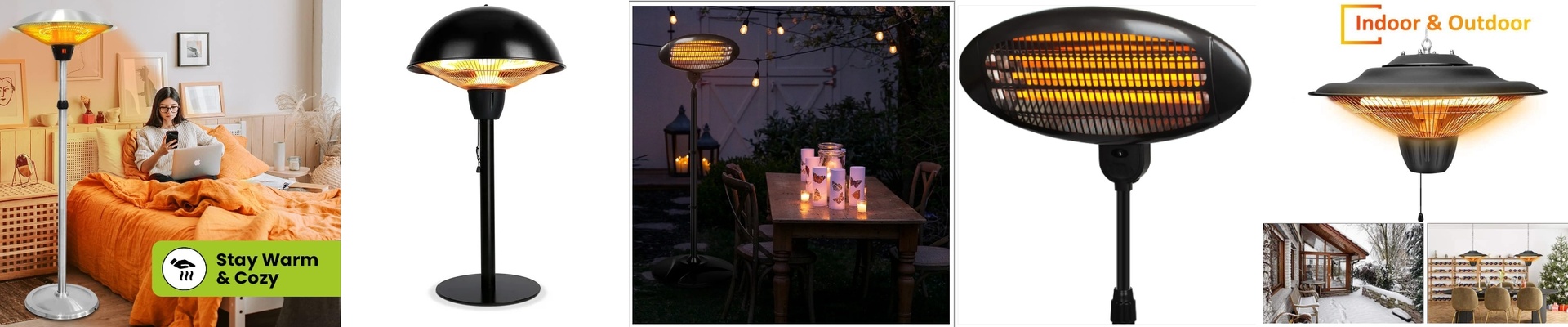
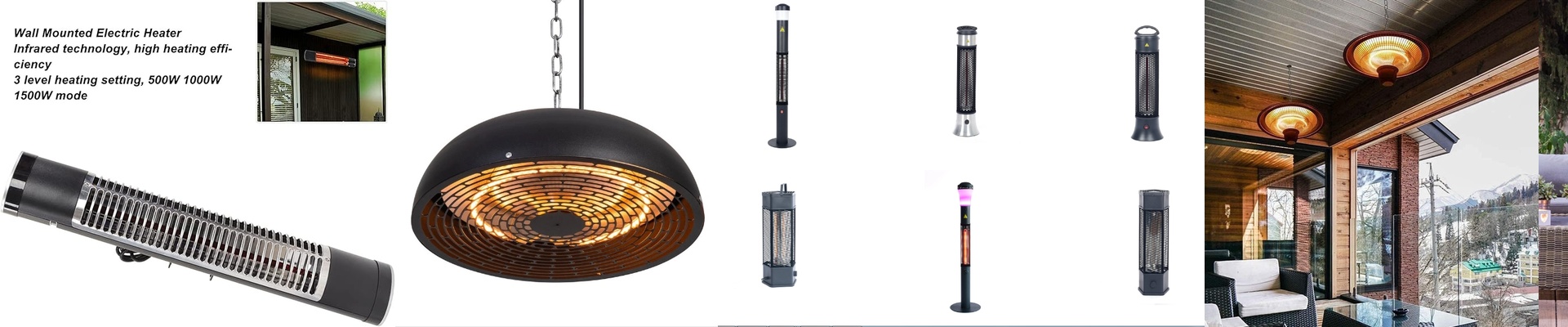
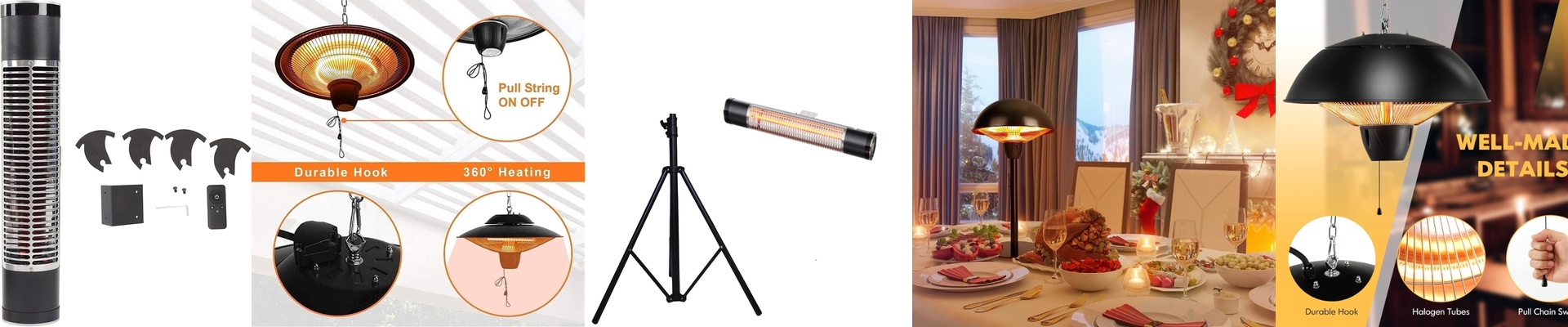
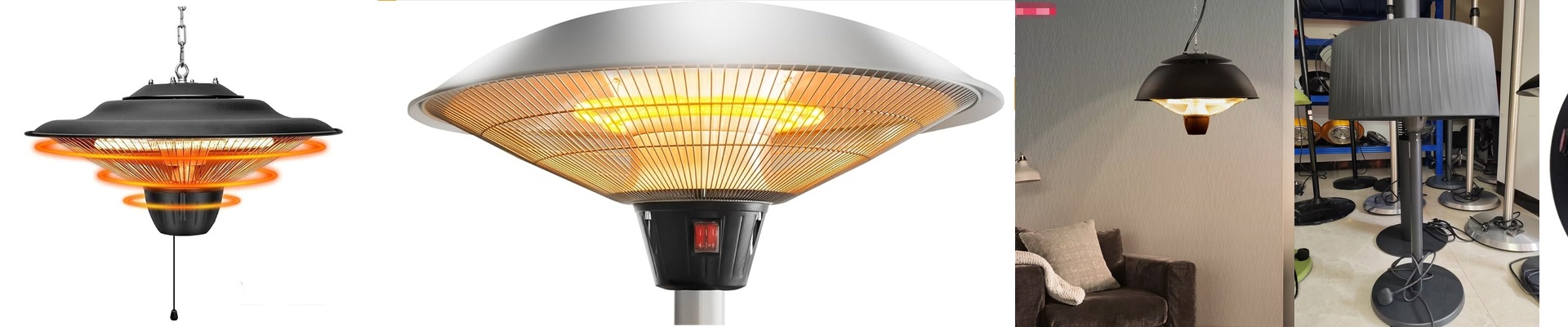
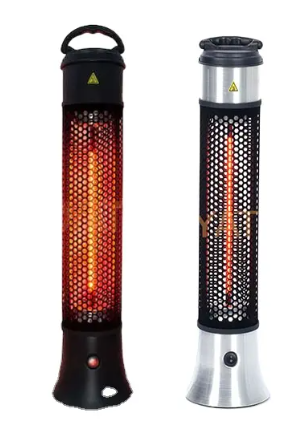
The export line is humming. Pallets are moving, buyers want proof, and every unit has to work the first time—every time. When the air bites, comfort is the product, and reliability is the only promise that matters. We built these infrared heaters for that moment: warmth that hits fast, stays steady, and feels like it’s going to earn its keep. What’s actually under the hood We spec these with a carbon fiber or quartz infrared element, paired with a built-in thermal cutoff and overheat protection. The heat goes straight to people and objects—radiant warmth, not wasted air—so comfort shows up in seconds. Most models run 1200–1500W and plug into a standard 120V outlet, so they’re easy to integrate. The housing stays cool to the touch, and the base is weighted to give you tip-over protection. If you’re running them outdoors, go with an IP-rated housing that can handle dust and splashes. Why this works in export Export margins live and die on repeat orders, and buyers judge you by what happens after the sale. Infrared cuts energy draw compared with convection heating because it focuses heat where it’s needed. That means lower operating costs for your customers—and fewer service calls for you. Overheat protection and stable components help units hold output over time, so you get consistent performance on the production floor and dependable comfort on the patio. The practical details that matter Infrared warmth is directional, so placement is half the job. Aim the heater to cover the main seating area and keep the beam clear of obstructions. You still need clearance—keep the unit away from combustibles, and follow local electrical code for the outlet and cord. In very damp spots, an IP rating isn’t optional, and a grounded connection is mandatory. Plan the layout up front, and the heater just does its job—quiet, steady, and out of the way.