

Stepping onto a cold bathroom floor in winter isn’t just uncomfortable—it makes the whole room feel cramped and sluggish. Whether you’re dealing with a tight half-bath or a sprawling master suite, the real challenge isn’t just adding heat. It’s adding the right amount of power, so you get warmth without overdoing it.
What actually matters under the hood
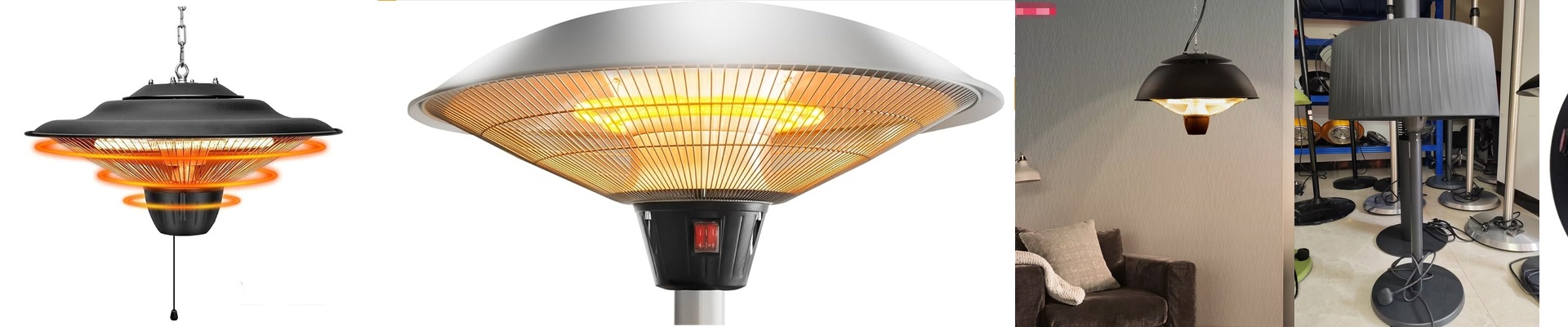
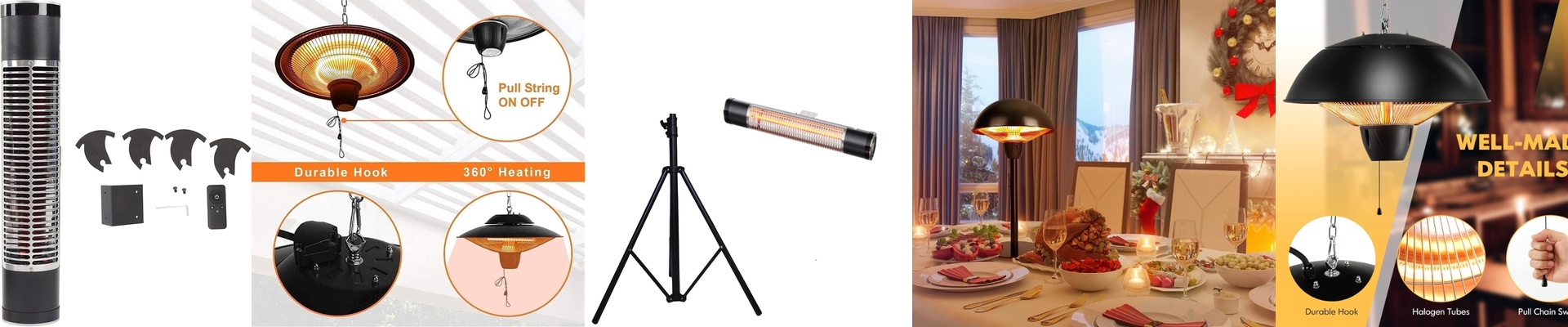
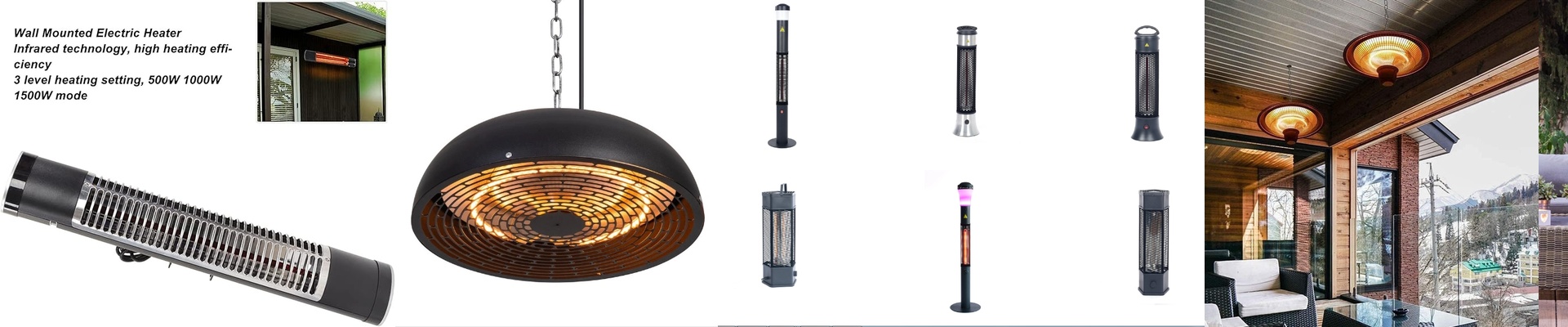
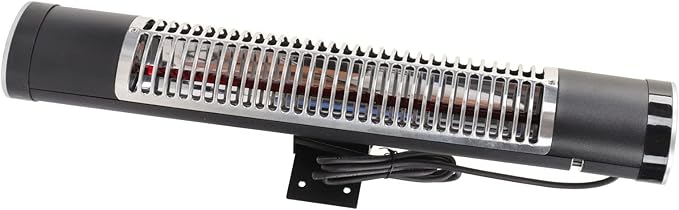
We build our CE-approved electric heaters around infrared warmth, using quartz tubes that radiate heat straight onto people and surfaces, not the air. That’s the difference you feel right away: instant, targeted warmth without waiting for the room to heat up through convection. For bathrooms, sizing is about matching wattage to room volume and exposure. As a practical baseline, a compact 3-4 m² half-bath usually pairs well with a 600–800W model, while a larger 6-8 m² full bathroom typically calls for 1,000–1,500W. Voltage is matched to standard circuits, and the units are designed for quick, code-friendly installs.
Why this approach works in a bathroom
Bathroom comfort comes down to stable surface temps and predictable recovery after a shower. Infrared heat warms tiles, mirrors, and towels more directly, so the space feels cozy faster. Because the heat is targeted, you can run the heater for shorter stretches and still notice the difference—especially when you’ve picked the right wattage for the room. That translates to less energy used for the same comfort, and fewer cycles where the heater is hammering at full power when it doesn’t need to.
What you need to watch for
Bathrooms are wet, so placement matters. Keep the unit well clear of shower spray and other water sources, and make sure the circuit can handle the wattage without tripping. Infrared heat is excellent for spot comfort, but in very drafty rooms it won’t feel as even as a full-room air heater. If you want balanced warmth, size the infrared heater correctly and pair it with a ventilation strategy that makes sense for the space.