

Cold on the shop floor doesn’t just make people uncomfortable—it shuts work down. Hands lose their feel, machines take longer to settle in, and quality checks start slipping. We built this industrial fan heater to keep the job moving, not just to bump the temperature a few degrees.
What’s actually under the hood
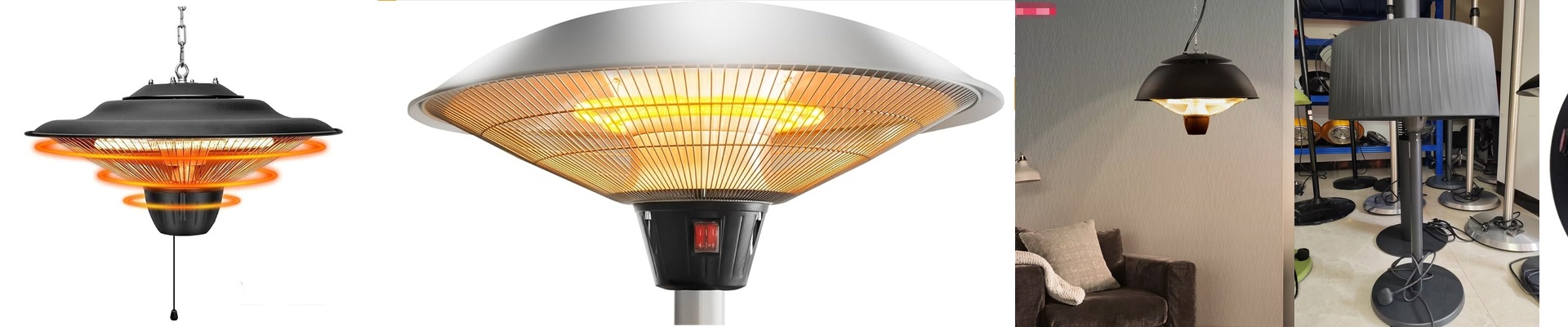
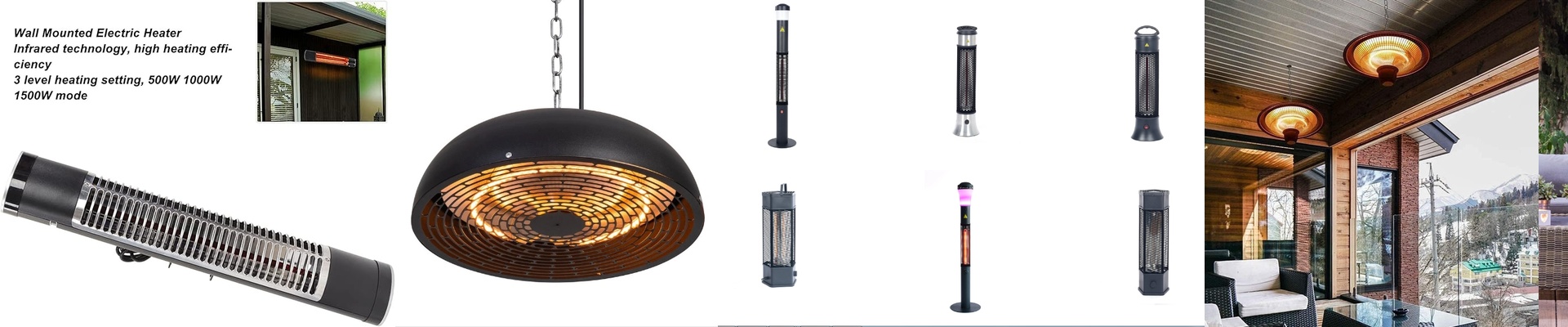
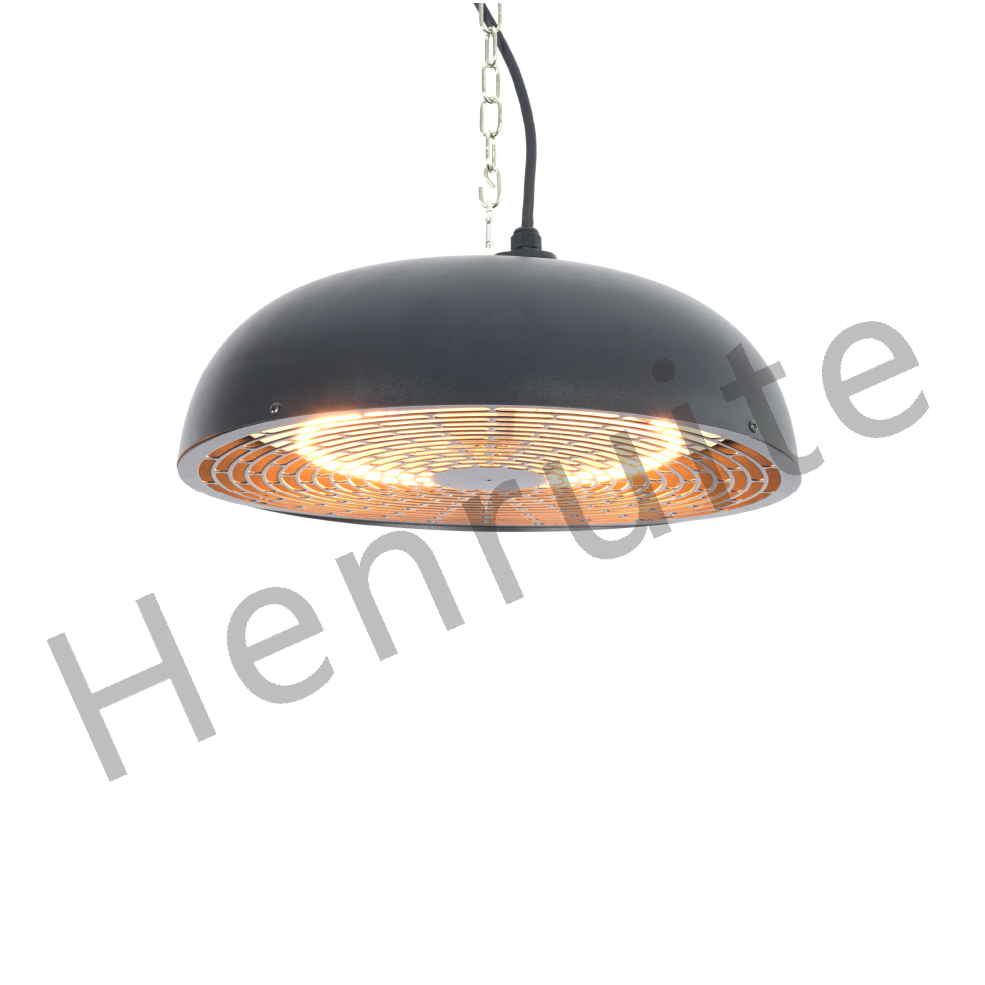
Inside, you’ve got a direct-drive fan paired with a high-output resistive heating element. That combo moves warm air fast, and the output options are sized to actual spaces—no guesswork. It runs off a standard 230V/3-phase supply for most workshop setups, pulling steady airflow without hogging current. The thermostat holds the setpoint tight, so you don’t get that yo-yo effect where it swings between too hot and too cold. On the safety side, it’s covered: thermal cutoff, overheat protection, and a base built to stay planted—even in busy aisles where people and carts are constantly moving.
Why it holds up in real workshops
This heater shines where conditions are rough: cold concrete floors, high ceilings, and doors opening and closing all day long. It pushes warm air right into the work zone, so you spend less time waiting for the space to feel livable. That translates to fewer unnecessary breaks, steadier hands, and less downtime waiting on glue, paint, or sealants to hit the right temperature. Energy use stays sensible, too, because it doesn’t overshoot—cycles stay tight, keeping the area workable without wasting kilowatts.
The details that matter on the floor
Placement matters. For best results, keep the unit at least 3 feet away from combustible materials, and don’t aim the airflow straight at sensitive equipment or solvents. This is designed for indoor industrial and workshop use. If you’re dealing with damp outdoor areas, it needs shelter—or you need a model rated for those conditions. You’ll feel the warmth quickly, but give it 15–20 minutes for the whole space to even out, especially in large, open layouts.