When the sun drops and the air gets sharp, the evening doesn’t have to shut down. You want heat that shows up fast, feels comfortable, and keeps your outdoor space usable—without noise, drafts, or exhaust. That’s exactly where a Golden tube heater earns its keep.
What matters, technically
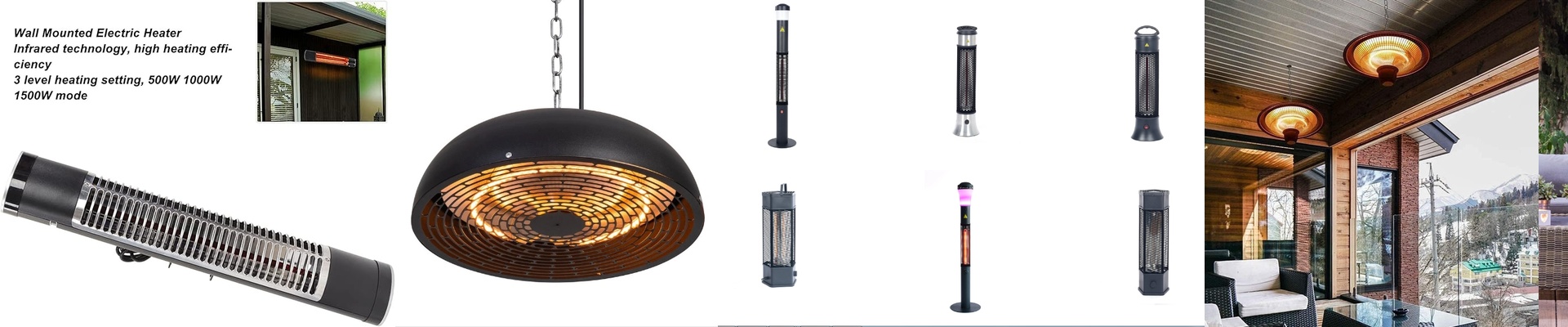
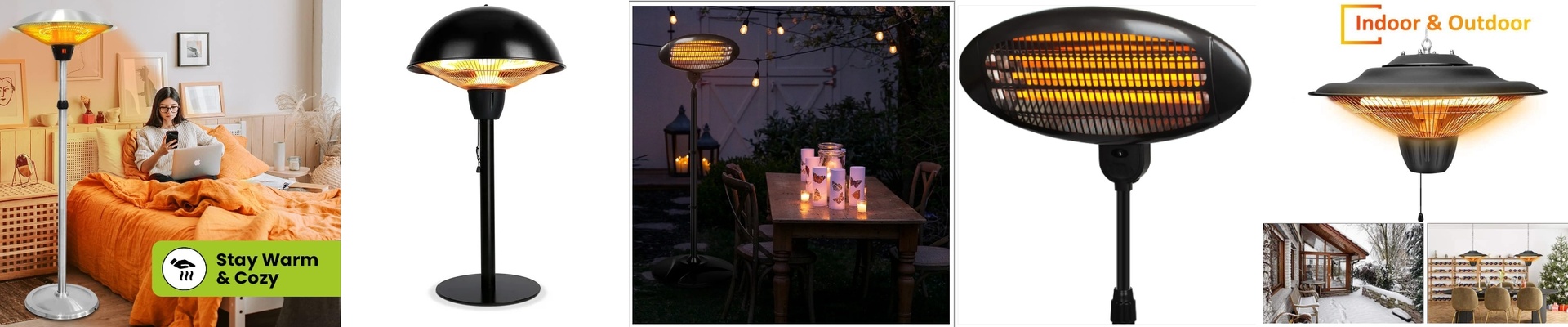
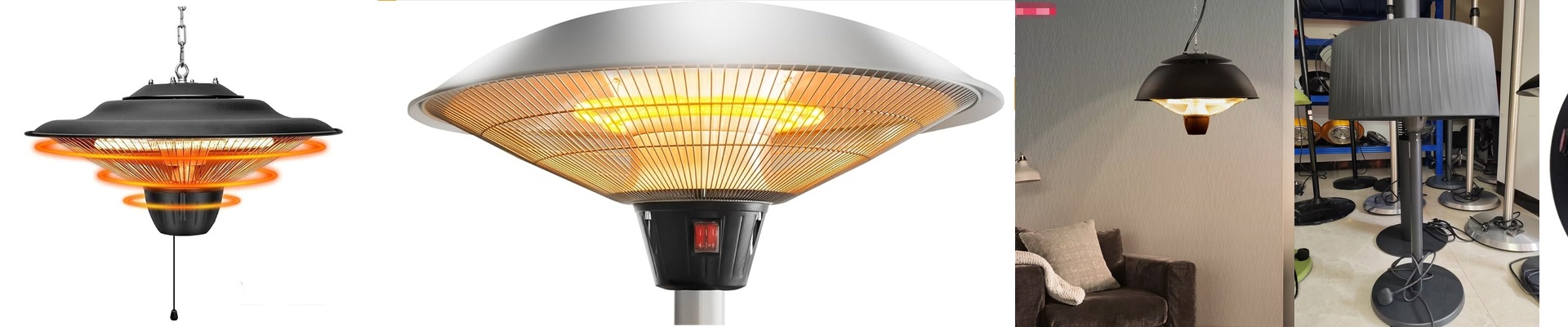
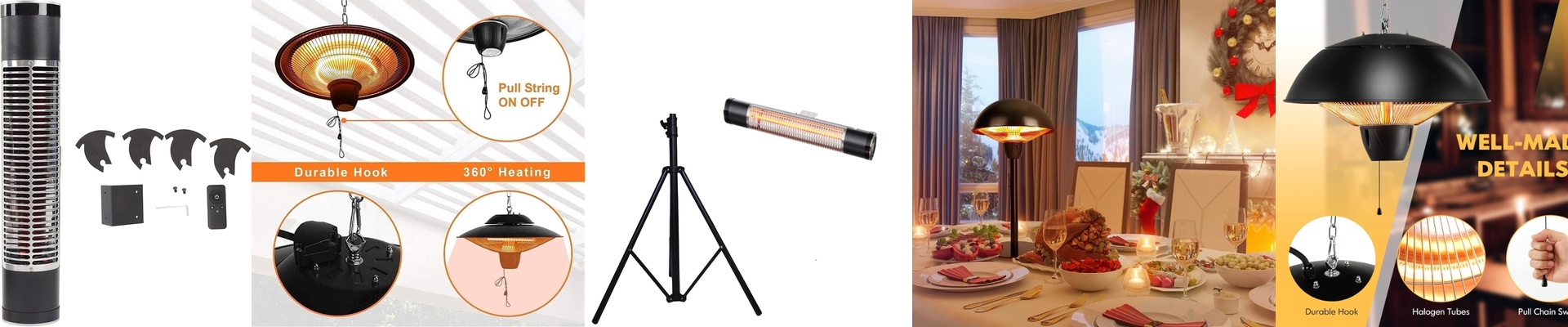
At the core, the Golden tube heater uses a quartz tube housing a high-purity heating element, built to deliver strong infrared warmth. You get heat the moment you flip the switch—no long warm-up, no waiting around. The radiant output is focused and directional, warming people and surfaces directly instead of trying to heat the whole volume of air. In practice, that means heat where you need it, when you need it. Many models run on standard 120V outlets, so installation is straightforward on decks, patios, and covered outdoor rooms. Controls stay simple: you’ll usually find an adjustable thermostat and multiple heat settings to match the night’s conditions. For safety, look for tip-over protection and overheat protection, plus a solid base or mounting setup that keeps the heater stable.
Why it works outdoors
Outdoor evenings are moody—calm one minute, windy and biting the next. A Golden tube heater handles that variability because radiant heat doesn’t get scattered by breezes the way forced-air heat does. You feel warmth on your skin, furniture stays less chilled, and the space actually feels livable. Because the heat is targeted, you can run the heater efficiently for shorter stretches instead of pushing it all night. That helps keep energy use in check without sacrificing comfort. The payoff is reliable warmth for dinners that run long, conversations that stretch, and quiet moments that would otherwise get cut short.
The practical details
A Golden tube heater performs best in open-air setups that are sheltered from heavy rain. It’s built for dry or damp outdoor conditions, but direct water exposure can affect components and safety. Keep the unit away from flammable materials and follow clearance requirements for furniture and curtains. For the best results, position the heater so the infrared beam covers the main seating area, and use the thermostat to avoid overheating. If you’re mounting overhead, confirm the mounting hardware is rated for the heater’s weight and vibration. One thing to keep in mind: radiant heat warms what it directly hits, so the edges of the space can feel cooler—plan placement accordingly, and add a second unit if you need more even coverage.