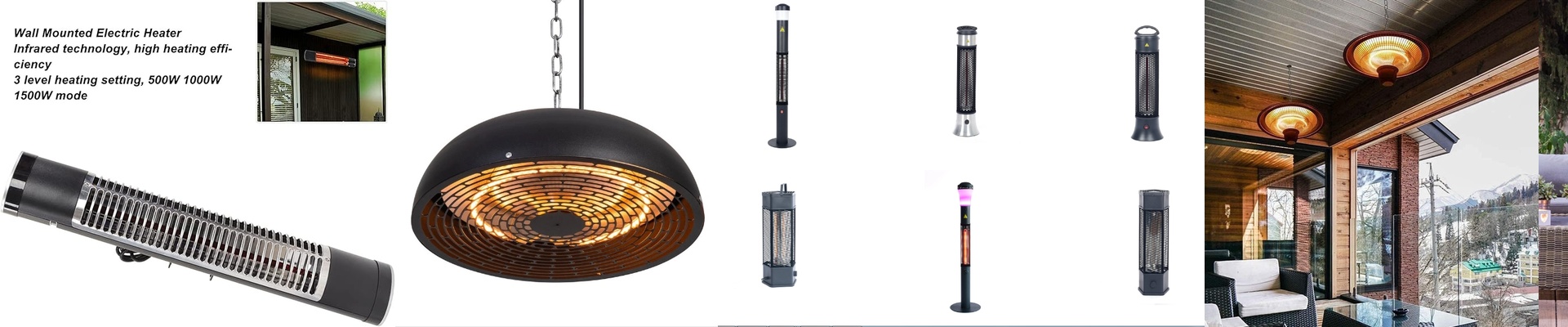
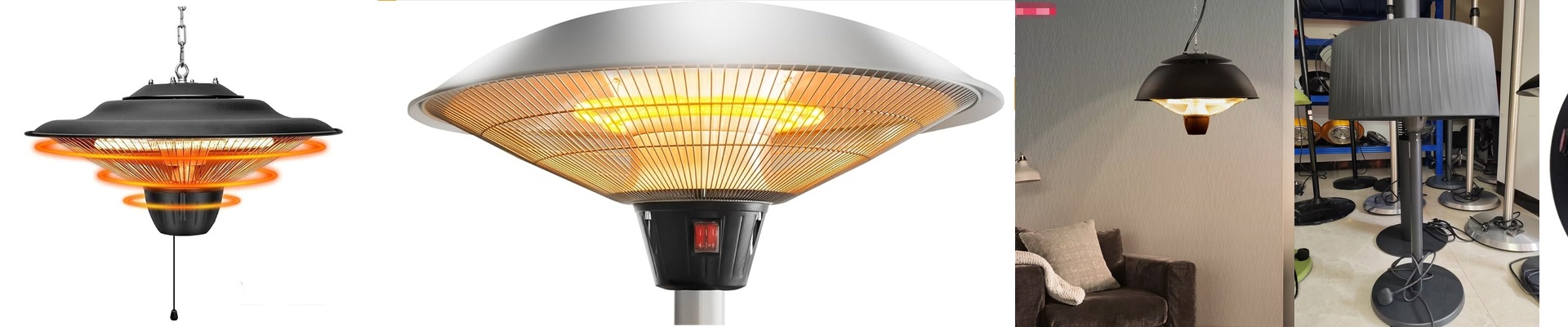
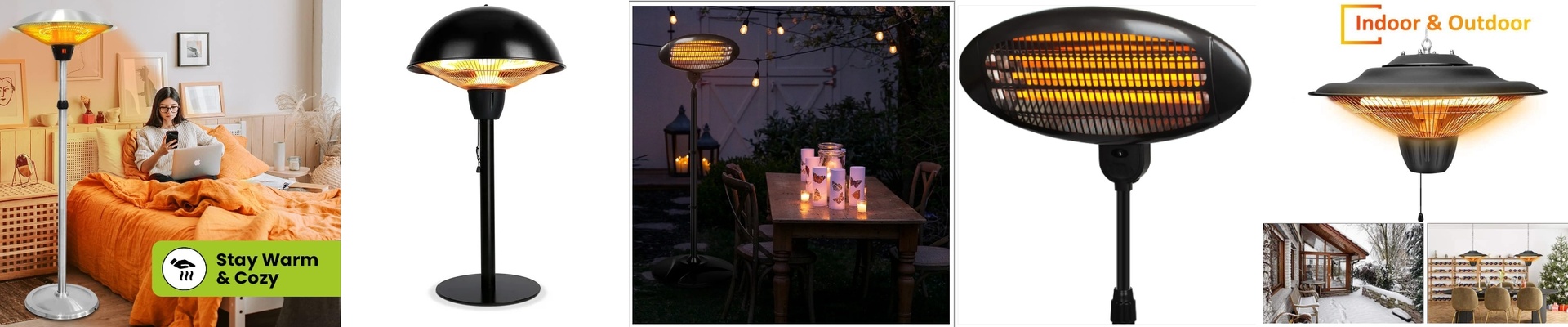
Engineering Outdoor Reliability
Let’s be real—these infrared patio heaters weren’t born in a lab. They were built for the messy, unpredictable world outside. The real question? How do we keep them humming when the night is damp, foggy, and the bar is packed? The answer comes down to a two-pronged approach, baked right into the physics of the heater. It’s all about fighting moisture and sudden temperature swings.
A Closer Look at the Tech
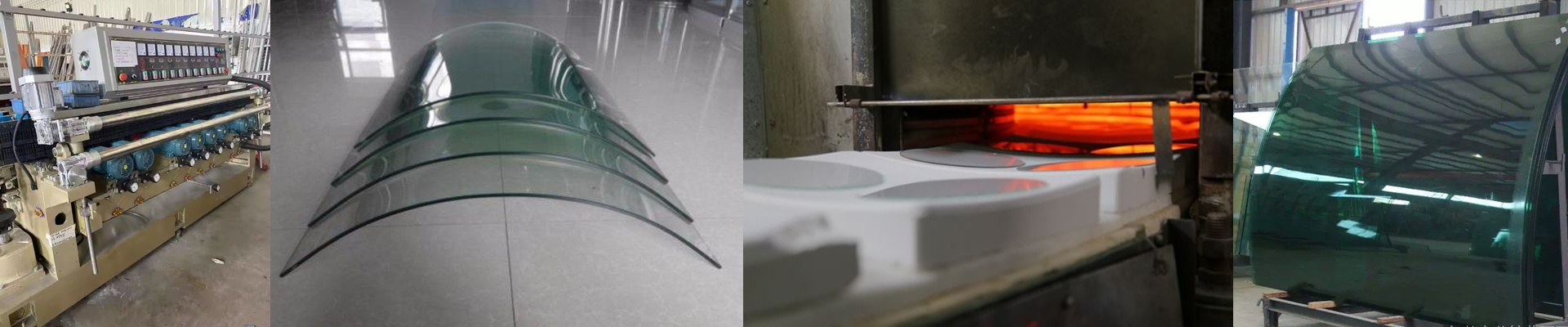
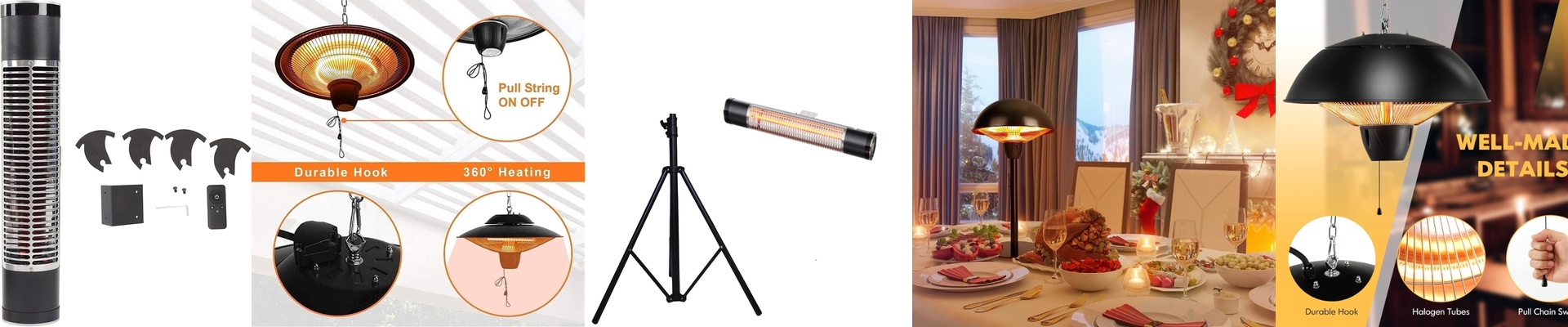
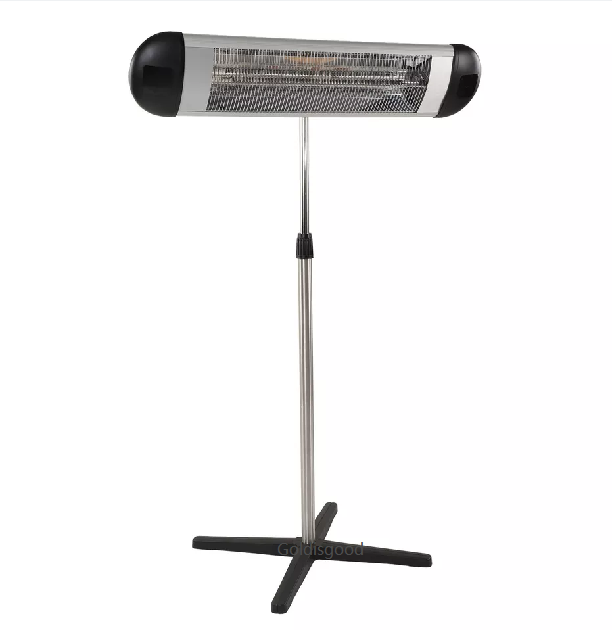
Inside, we use a high-density halogen element. It throws off intense, focused heat—the kind you feel the second it hits you, even when the wind is cutting right through your patio. The quartz envelope handles the heat, sure. But the real battle is protecting the delicate parts from the weather. A standard heater dies fast when water creeps in and causes a short. We shut that problem down before it even gets a foothold.
The Materials and Design That Make It Happen
It starts with the lamp itself. We coat the quartz tube with a special hydrophobic layer. Water beads up and rolls right off. No fog, no clouded output. Just steady, reliable warmth. And we don’t stop there. The connections are splash-proof, built with tough R7s connectors that lock in tight. No water sneaking into the terminal block—a classic failure point on cheaper units. The housing? Fully sealed. It’s built to handle rain, splashes, and even a good hosing down during cleanup.
What This Means for You
You get a heater that can handle the grind of a busy bar patio, shift after shift. The anti-fog coating keeps the heat coming strong. The sealed connections and housing keep rust and electrical trouble away. There is one thing to keep in mind, though. Because the seal is so tight, the base runs hotter. That’s intentional—it keeps moisture out. But you’ll want to make sure you mount it with enough clearance and airflow. The payoff? A unit that just keeps going, night after night, no matter what the weather throws at it.