Why Most Bathroom Heaters Fail (And How We Stop It)
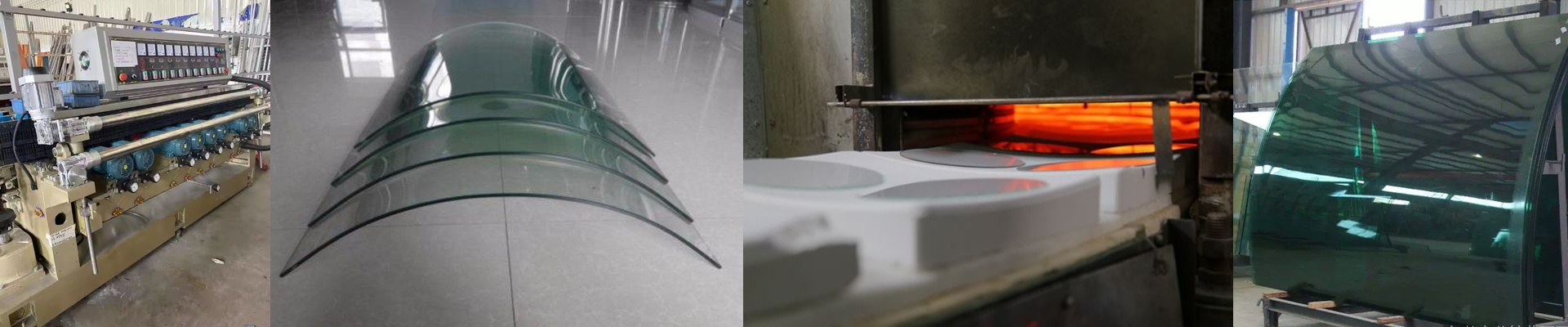
Let’s be honest: bathrooms are a nightmare for electronics. You’ve got freezing air one minute, thick steam the next, and the constant threat of a random water splash. It’s a brutal environment. If a seal slips or a quartz tube gives up, the whole thing shorts out. We aren’t interested in guessing if a unit will last. That’s why we put our heaters through “damp-heat” aging tests. Basically, we try to break them on purpose before they ever hit your wall. The battle against moisture Here’s the thing about water vapor—it finds a way. It sneaks into the tiniest gaps in the housing or the connectors. Once that moisture hits a live terminal? Boom. You get electrical arcing or a dead heater. To stop this, we put every batch through a cycle of extreme humidity and temperature swings. We force the materials to expand and shrink over and over. We’re looking for the exact moment a seal fatigues or a contact point starts to rust. If it fails in our lab, it doesn’t make it to your house. The “Thermal Shock” problem We use specialized quartz for our lamps, but even the good stuff has a breaking point. Imagine a hot lamp suddenly getting hit by a spray of cool water. That’s thermal shock. If the glass isn’t right, it cracks. Then there’s “clouding.” That’s what happens when impurities in the quartz react with moisture at high heat. It makes the glass look foggy, but the real problem is that it kills the heat output. You end up with a heater that barely warms the room. We test for this specifically so your heater stays efficient for years, not weeks. The balancing act You might think, “Just wrap the whole thing in thick rubber gaskets!” But it’s not that simple. If we over-seal the unit to make it waterproof, we trap all the heat inside the chassis. The internal wiring starts to cook itself. But if we under-seal it, the steam gets in and fries the electronics. It’s a tightrope walk. Our aging tests show us exactly where that line is. We only ship the product when we’ve found that sweet spot—where the seal holds the water out, but the internals stay cool enough to keep running.