Stop Paying to Heat the Air in Your Glass Oven
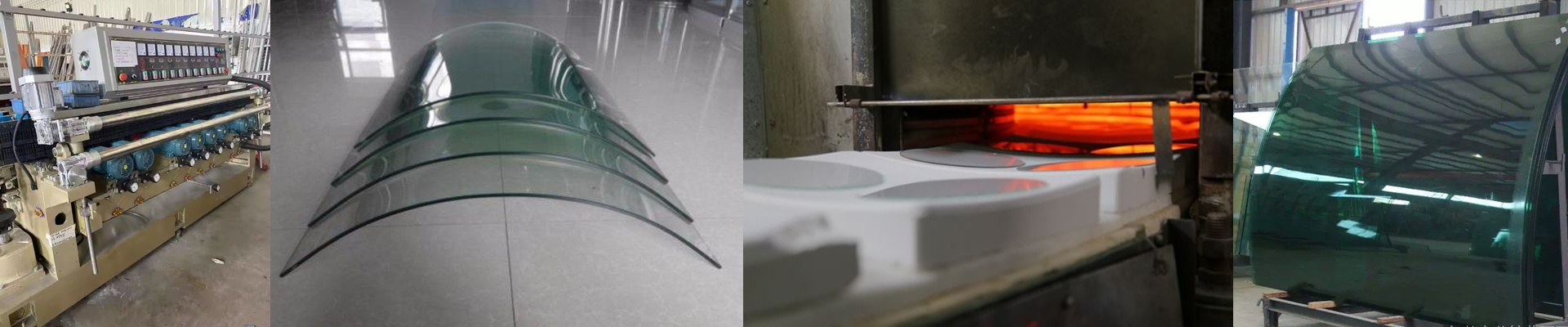
Let’s be honest: glass annealing is a total power hog. If you’re still using those old-school heating elements, you’re probably wasting a ton of money. Most of those systems spend more time heating up the entire oven chamber than they do actually working on the glass. It’s inefficient, and it shows up on your electricity bill every single month. We do things differently. Our quartz infrared lamps target the glass directly. No more waiting around for the air to get hot. You get a faster ramp-up and a lot more money staying in your pocket. How it actually works Instead of relying on hot air—which is slow and clumsy—these lamps use short-wave infrared radiation. Think of it like sunlight hitting your skin on a summer day. It’s instant. The energy moves in waves and hits the glass surface immediately. You’re focusing the heat exactly where it needs to be, rather than paying to warm up a giant metal tunnel. Getting the hardware right We make these tubes out of high-purity quartz. Why? Because annealing cycles are brutal, and you need something that won’t crack under thermal shock. We can tweak the wattage and voltage to fit whatever power grid you’re already running. If you’ve got a long tunnel, we’ll go with a higher voltage. That keeps the temperature steady from one end of the lamp to the other, so you don’t get those annoying cold spots. One quick tip: check your reflectors. If they’re warped, your heat won’t hit the focal point. That’s how you end up with “hot spots,” which usually means uneven annealing and a pile of scrap glass you have to throw away. Putting it all together The good news is that these are basically drop-in replacements for most industrial rigs. We use standard connectors, so you aren’t spending all weekend rewiring your shop. But here is the catch: these lamps put out some serious heat. If you decide to crank up the wattage to push out more product, you’ve got to make sure your housing and wiring can handle it. Cheap wires will melt. Period. Do yourself a favor and use high-temp silicone or fiberglass sleeving. It’s a small detail, but it keeps your shop from catching fire.