
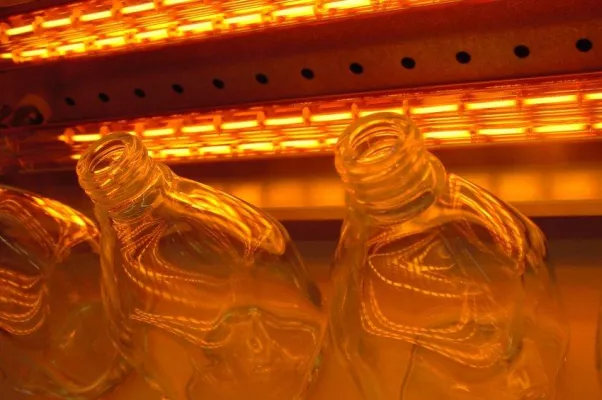
Dealing with Cold Spots in Complex Glassware
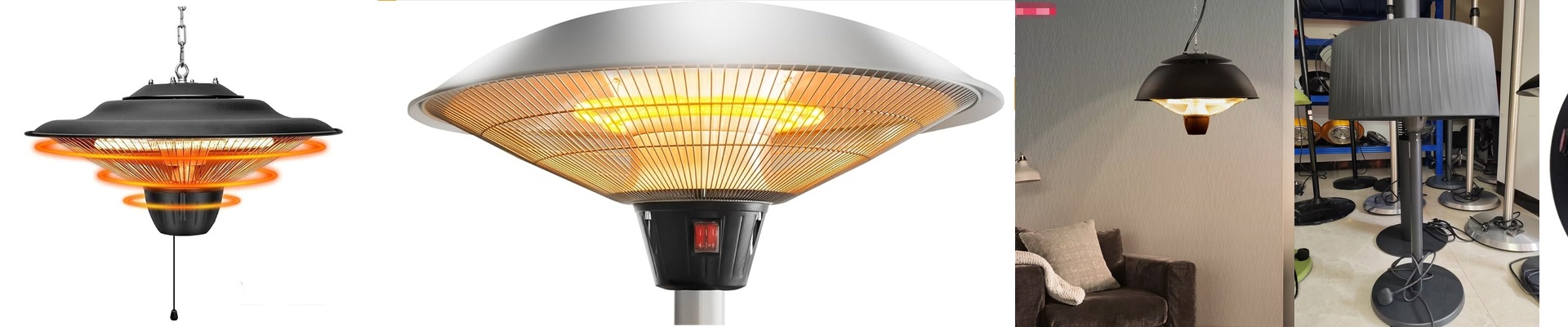
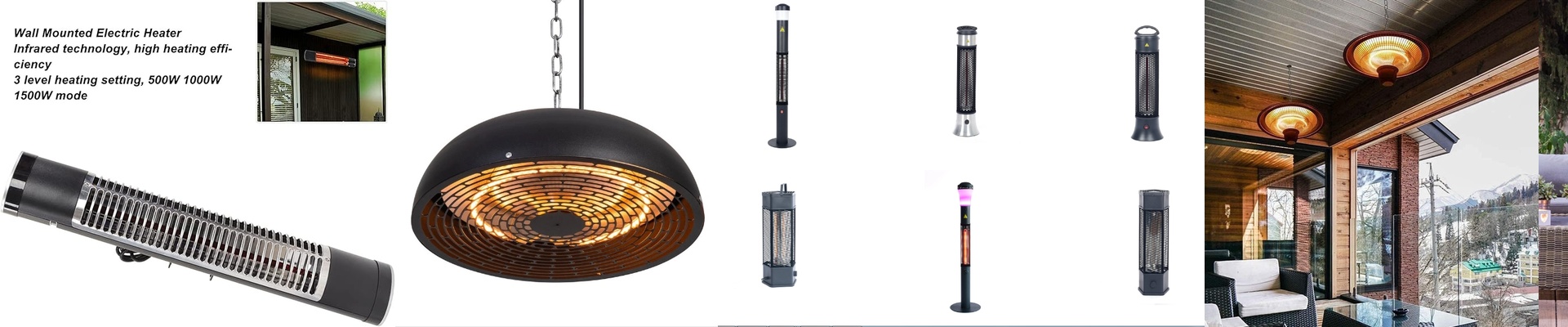
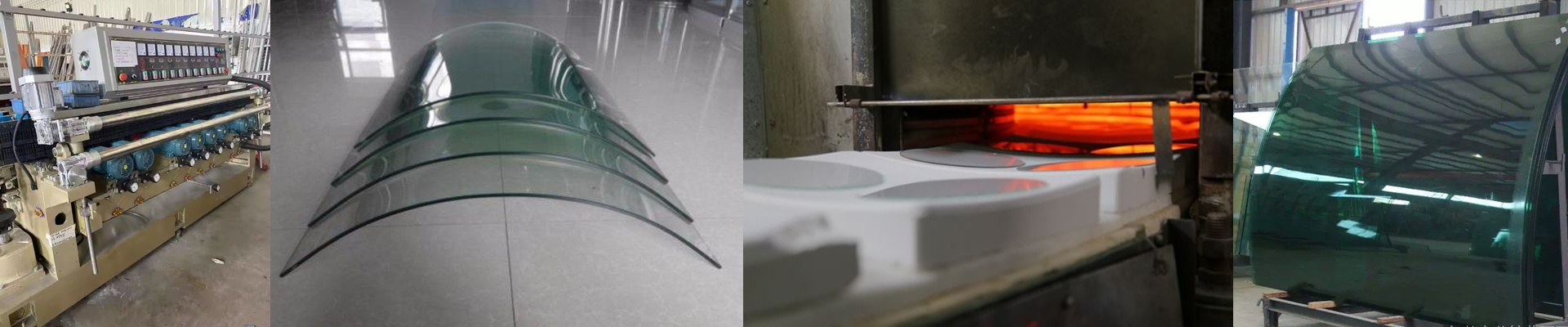
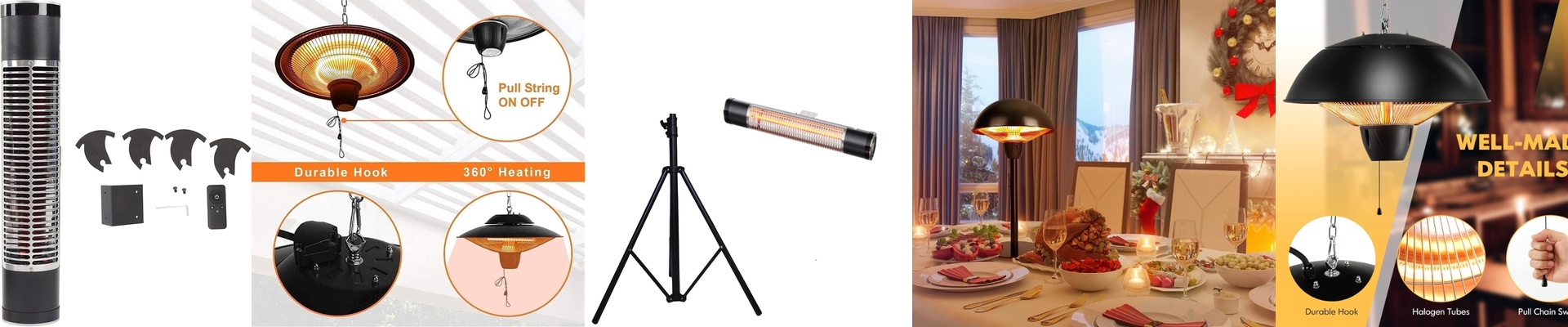
Anyone who’s spent time with annealing kilns knows the headache of “dead zones.” When you’re working with a weirdly shaped vessel—maybe something with a narrow neck or deep pockets—standard convection heating just doesn’t cut it. The heat can’t get into those tight spots. The result? Uneven stress. And we all know where that leads: a crack right through your hard work during the cooling phase. It’s frustrating. To fix this, we started using short-wave infrared (IR) preheating lamps to fill in those gaps. Getting the heat where it actually needs to go If you want to kill a cold spot, you need a lot of power packed into a small space. We use high-wattage quartz elements because they push IR radiation into the glass fast. Here’s the thing: unlike hot air, which just floats around, IR energy hits the material directly. You can basically aim these lamps at the thickest parts of your piece. That way, the heavy sections hit the right soaking temperature without you accidentally melting the thinner walls. The gear behind the heat We went with high-purity quartz envelopes. Why? Because the thermal shock in a CNC glass environment is brutal, and these can take the hit. We also tweaked the filament coatings. This shifts the light spectrum so the silica glass actually absorbs the energy instead of just letting it bounce off. It’s more efficient and gets you up to temp way faster. Just a heads-up: these tubes getinsanely hot. Make sure you insulate your CNC frame, or you’re going to watch your housing warp over time. Keeping things running Setting these up is pretty easy. They’re designed to drop right into your existing CNC heating arrays with standard connectors, so you aren’t spending all day rewiring. But a word of caution: keep a close eye on your voltage. Even a tiny 5% spike can fry your filaments and kill the lamp’s lifespan. And do yourself a favor—wipe down the reflectors every 500 hours. Dust builds up, efficiency drops, and your lamps have to work twice as hard to hit your target temp. A quick clean saves you a lot of money in the long run.