
Introduction
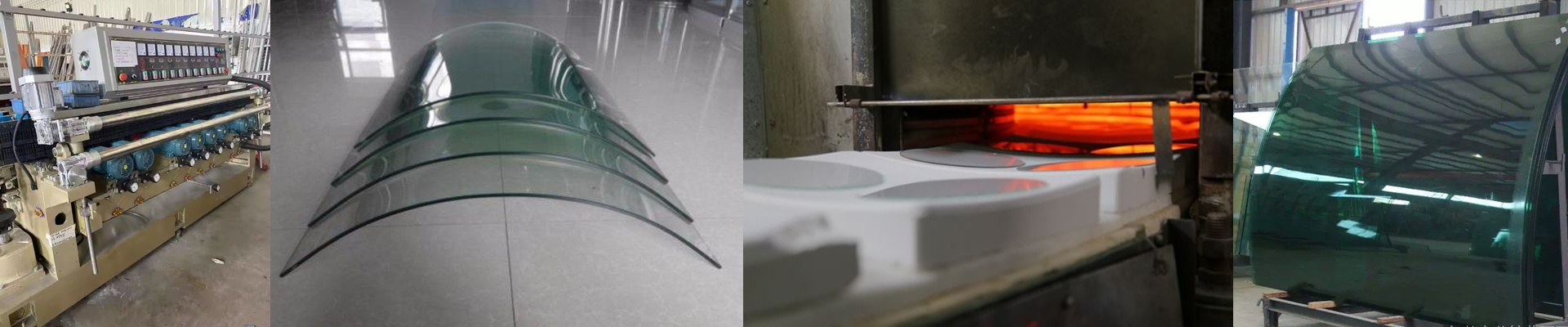
We build infrared heating and drying units that are tailor-made for screen-printed glass finishing lines. The whole idea is simple: give you a heating zone that’s compact, all-in-one, and dries ink fast—without eating up your floor space. If your line is already jammed, this unit is designed to slip into tight corners and still deliver the heat punch you need for curing that’s consistent, every single time.
The Power Behind the Process
Infrared drying comes down to power and control. Our units are built around a high-output infrared source that ramps up temperature fast. That means your printed glass keeps moving—no waiting around for a long “soak” time. And the setup is modular. We match the length, power, and voltage to your line speed and the size of the glass you’re running. Here’s the part that makes a real difference on the floor: we often use higher voltage (around 400V class) to run high-wattage elements with less current. Less current means smaller wiring, smaller contactors, and a cleaner electrical layout inside the machine. That directly helps us keep the footprint small. But it’s a trade-off. High power density creates a lot of local heat, so the cooling and exhaust have to be spec’d right—otherwise the machine won’t run the way it should.
The Materials That Matter
Inside, we use shortwave infrared halogen elements in a quartz envelope. The response is quick, and the heat is focused where you need it. The reflector coating isn’t just for looks. It’s chosen to bounce infrared energy as well as possible and to stay tough through repeated heating and cooling cycles. That keeps the heat on the glass, not wasted on the frame. And connectors? They matter more than people think. We use an R7s base because it gives you a solid, repeatable electrical and mechanical fit. The lamp sits square, stays aligned, and when you swap elements during maintenance, it’s less fumbling—and fewer hot spots from a poor connection.
What It Feels Like on the Line
On screen-printed glass lines, the slowdown is usually drying and curing, not the printing itself. Our integrated infrared drying unit squeezes that bottleneck into a much smaller space—up to 40% less floor space compared with a sprawling convection oven setup. The payoff is real: faster line speeds, less energy lost to the air around you, and far fewer rework headaches from uneven drying. And it’s built to drop in. Pre-wired, pre-aligned, and ready to work with your conveyor and control system. If you’re redesigning a line or retrofitting an existing cell, we shape the heating zone to match your glass geometry and ink profile exactly. Just keep one thing in mind: thermal management is part of the deal. You’ve got to plan for the right airflow and heat extraction—so the components stay safe, and your operators stay safe too.
Getting It Right for Your Line
When you’re ready to spec a unit, tell us your glass size, line speed, and ink curing window. We’ll match the power, voltage, and layout so the unit fits your process—instead of forcing you to bend your process around the unit.