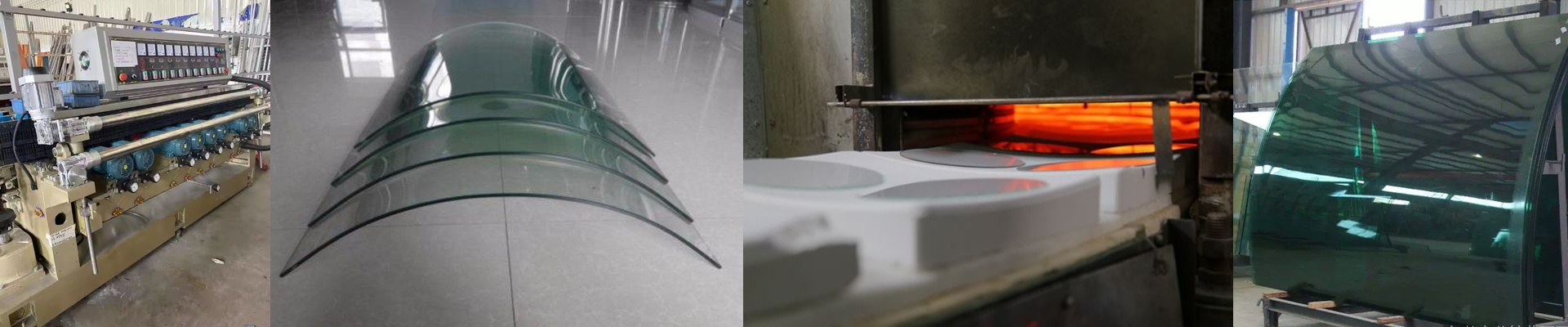
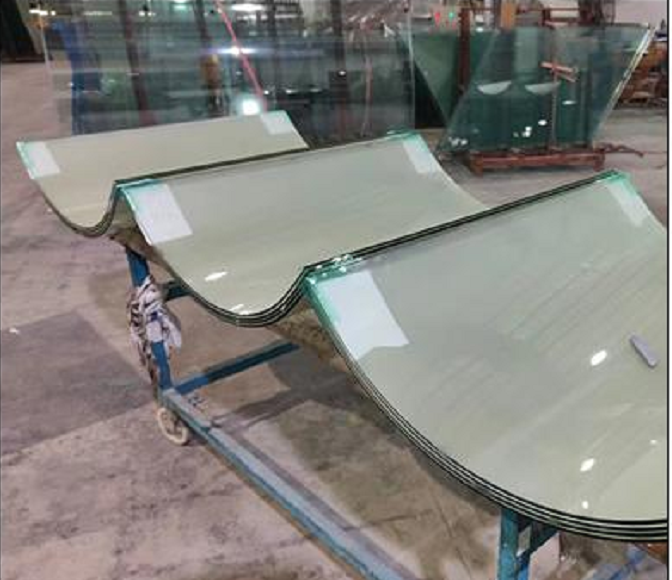
On the tempering line, a sloppy, uneven heat profile shows up fast—optical distortion and a rising scrap pile. You’re trying to hold flatness and keep cycle times repeatable, but ordinary heaters drift, hot spots pop up, and the furnace load keeps shifting under you. What matters, technically Our ruby glass infrared bulbs put out short-wave energy that’s tuned for fast, controlled heat transfer. They ramp at 10°C/s, so you cut idle time between loads. Temperature uniformity across the active zone stays within ±3°C, which means the glass sees a steady thermal field and thermal stress stays under control. Power density hits 30 W/cm², giving you the output needed for quick heating without leaning on heavy convection. The ruby-tinted envelope cuts visible glare and helps keep emissivity stable cycle after cycle. Here’s why it sticks in real glass work—tempering, bending, and preheat before lamination. Repeatable heat is the difference between a stable yield and a shift that’s always stopping and starting. These bulbs bring the heating zone up fast, shorten the soak window, and hold setpoint during long runs. The payoff shows up as fewer optical defects, more consistent bow and warp control, and fewer line interruptions to recalibrate. You also see energy use drop because the response is immediate and the control band stays tight. A few things you need to get right. Mounting and alignment aren’t optional. The bulb has to sit in the designed reflector path, at the specified focal distance—otherwise uniformity goes south and you lose the benefit of that tight thermal profile. Plan for a quartz-compatible fixture and clean, dry connections. On high-humidity lines, go with sealed terminals to keep leakage and corrosion from creeping in. Plan on around 5,000 hours of service life when you run within rated voltage and temperature.