

Industrial Shortwave Halogen Infrared Lamps: Getting the Heat Right When the Pattern Matters
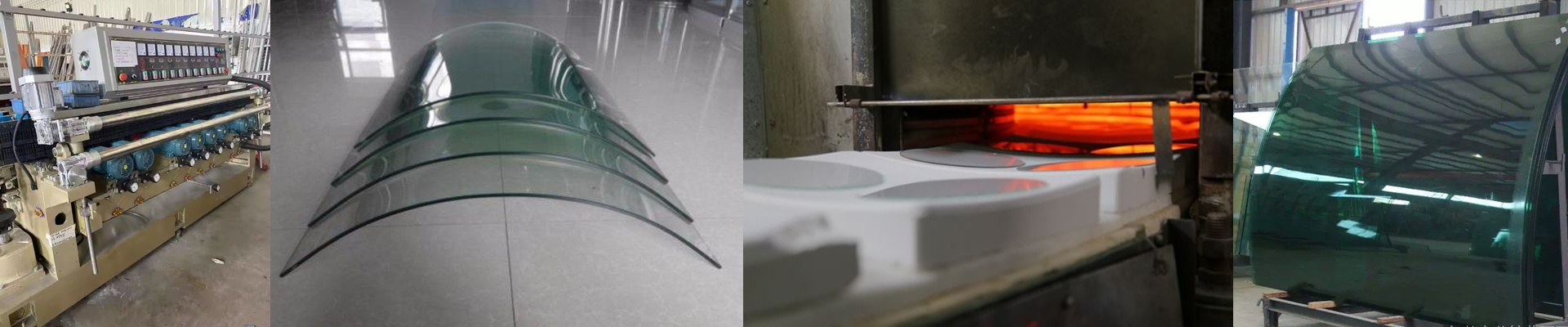
Here’s the problem we set out to solve: after you print on glass, you need to temper it. The catch? You have to hit the glass with enough heat to harden it—without burning the printed design. We built shortwave halogen infrared lamps to walk that line. They deliver a heat profile that’s intense where it needs to be, and controlled enough to leave the print untouched.
Power, Voltage, and Size—Built for a Real Production Floor
These lamps run on 400V, because your line needs serious heat, not a gentle warm-up. A 300mm tube hits 2500W, which gives you the punch required for fast preheating and tempering. That power packed into a short tube is exactly why you can squeeze the heating zone into an existing conveyor or furnace line. But there’s a trade-off you can feel in the machine room: all that wattage in a small space means your cooling has to be up to the job. Plan for the heat load, and the lamp will reward you with tight control.
The Details That Keep It Running
We use a high-purity quartz envelope, because these lamps cycle on and off fast—and the material has to handle the shock without cracking. The tube is coated to focus infrared energy onto the glass, instead of letting it radiate sideways. That coating also protects the filament, which helps the lamp last longer. And the R7s connector? It’s the standard for this shape for a reason. It gives you solid, two-point contact that can carry high current without getting hot under the collar. You wire it in quickly, and it stays tight even when the whole line is vibrating.
The Payoff: Tempering Right After Printing—Without the Heartbreak
In an integrated tempering line, these lamps shine. They heat fast, but they heat smart. That speed is what protects the printed pattern—no smearing, no distortion. You get a smooth, continuous flow from printing straight into tempering, and you don’t have to choose between looks and strength. For your engineers, it means a process that repeats cleanly, keeps cycle time moving, and cuts down on scrap. No drama—just glass that comes out right, again and again.