

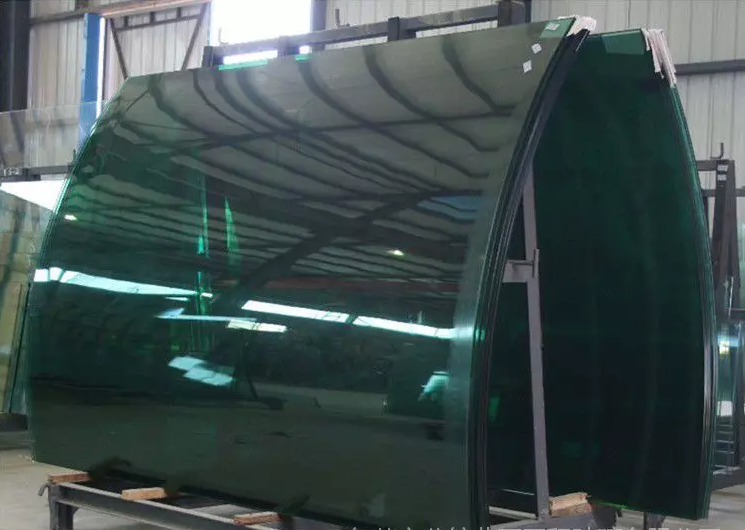
Getting Your Glass Tempering Right After Silk-Screening
Here is the tricky part about tempering glass after you’ve printed on it: you’re walking a very thin line. If you crank the heat too high, your beautiful ink prints start to bleed or just burn right off. But if you’re too cautious and under-heat it, the glass isn’t strong enough to actually do its job. It’s a balancing act. That’s why we use shortwave quartz halogen emitters. They’re the secret to hitting that sweet spot. Why this specific tech works Quartz halogen bulbs are great because they focus energy into a tight infrared spectrum. Instead of slowly soaking the whole piece of glass in heat, they punch the energy right into the surface. It’s fast. Really fast. Because the power density is so high, we don’t need a massive machine taking up half your shop floor, but we still get enough heat to handle even the thickest glass. Keeping things clean and consistent You might wonder why the “halogen cycle” matters. Basically, it stops the tungsten filament from evaporating and gunking up the tube. When the tube stays clear, the heat stays even. If the tube gets “blackened,” you get hot spots and cold spots, and that’s how you ruin a batch. We use high-purity quartz because it can handle the shock of being turned on and off rapidly without cracking. It’s built for the grind. The struggle: Sharp lines vs. Strong glass The real headache is the ink. It has a breaking point. To keep your patterns crisp and stop them from blurring, you can’t let the glass sit under the heat for too long. Shortwave IR is the tool for this. It delivers the energy so quickly that the glass gets the stress-relief it needs before the ink even realizes it’s in the oven. One thing to watch out for, though: these emitters put out a lot of waste heat. If your fans or heat sinks aren’t up to the task, the temperature will start to drift. Once that happens, your pattern clarity goes out the window. Good ventilation isn’t just a “nice to have”—it’s what keeps your prints looking sharp.