
Medium Wave Quartz Heaters: The Secret to Getting the Heat Right
We built the medium wave quartz heater tube for one simple reason: to put the heat exactly where you need it. Forget broad-spectrum heaters that just throw warmth around. These tubes are designed to focus their energy in a tight medium wave band. That means you can match the heat to exactly what you’re warming—whether it’s glass or a specific additive. No wasted energy. No scorched surfaces. Just clean, targeted heat.
Power, Voltage, and Fitting into Tight Spaces
The specs on these tubes aren’t random. The wattage and voltage are carefully matched to the tube’s length to get the heat density just right. Space is always a premium in machinery bays, but physics is physics. A shorter tube has to pack more power per inch to hit the temperature you need. So we spec these for high voltage. That way, you get the power you need without pushing the current too high. The payoff? A heater that comes up to temperature fast. Just be sure your electrical setup is ready for that high-voltage input.
The Quartz Choice: Built to Take the Heat
The tube itself is pure quartz. Why? Because it can handle sudden, extreme temperature swings and lets infrared energy pass through cleanly. Inside, the filament is tuned to the medium wave frequency. That’s how the heat gets deep into the glass, instead of just burning the surface. And the connectors? They’re built for the real world. Rugged, standardized, and ready for the shop floor. They stand up to vibration and make the whole thing a simple, drop-in replacement. Wire it up once, and you’re good.
The Real Problem It Solves: Matching the Material
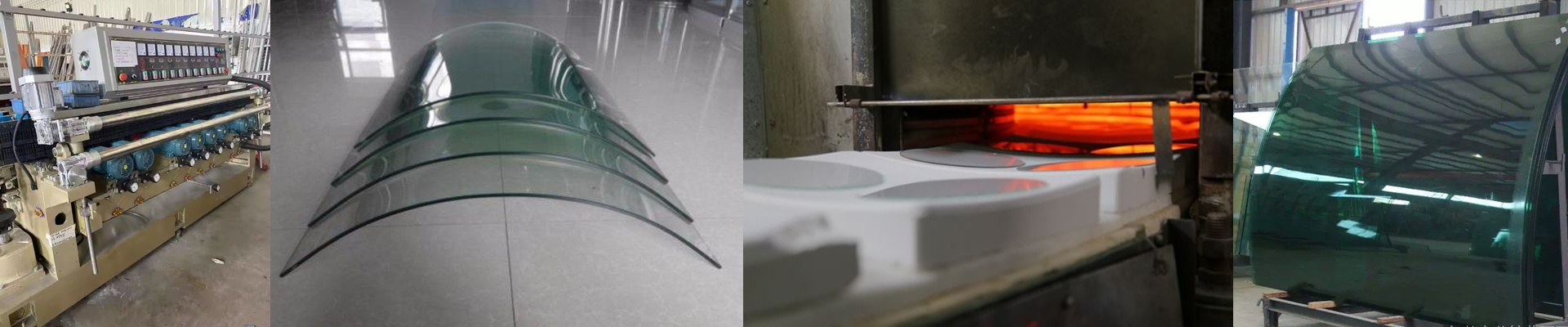
This is where things get interesting. These heaters are for the moments when you absolutely, positively need spectral matching. If your process involves heating glass with specific additives, a standard heater just won’t cut it. You need the infrared output to line up perfectly with the material’s absorption peaks. Our medium wave quartz heaters give you that precise control. The result? Faster heating cycles, less wasted energy, and a more consistent product. Just keep in mind that the energy is concentrated. You’ll need to make sure your reflectors and cooling systems are set up to handle that focused power.
Tailoring the Heat to the Material
The real magic is the ability to tune the infrared spectrum. We can adjust the output to match the exact absorption profile of your glass batch or additive. This isn’t a shot in the dark. It’s a calculated engineering move. By aligning the heater’s emission with the material’s absorption peak, you get maximum energy transfer. That cuts down the time to reach your target temperature and reduces thermal stress on the glass. For you, that means higher throughput and a process that feels more stable. The specs aren’t just about heating—they’re about the science of the material you’re working with.