
Getting the Print Right Without Breaking the Glass
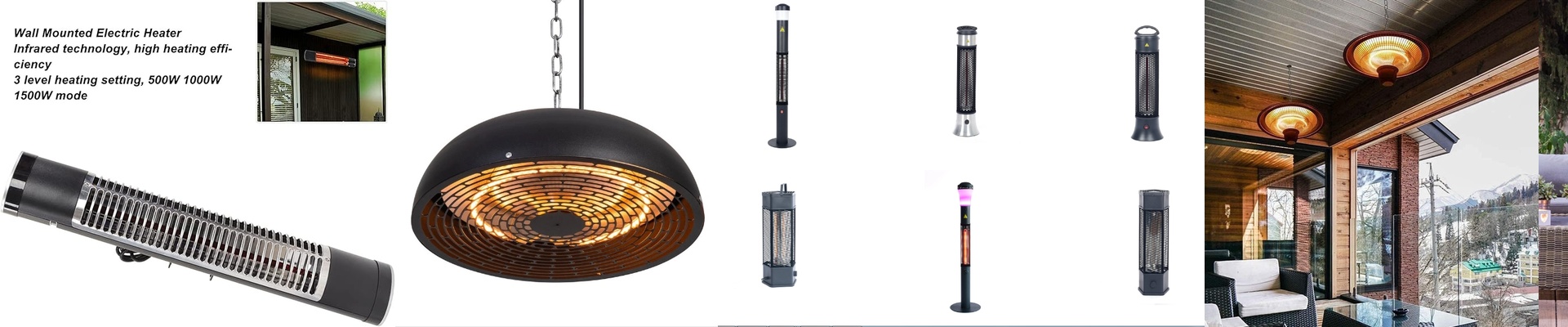
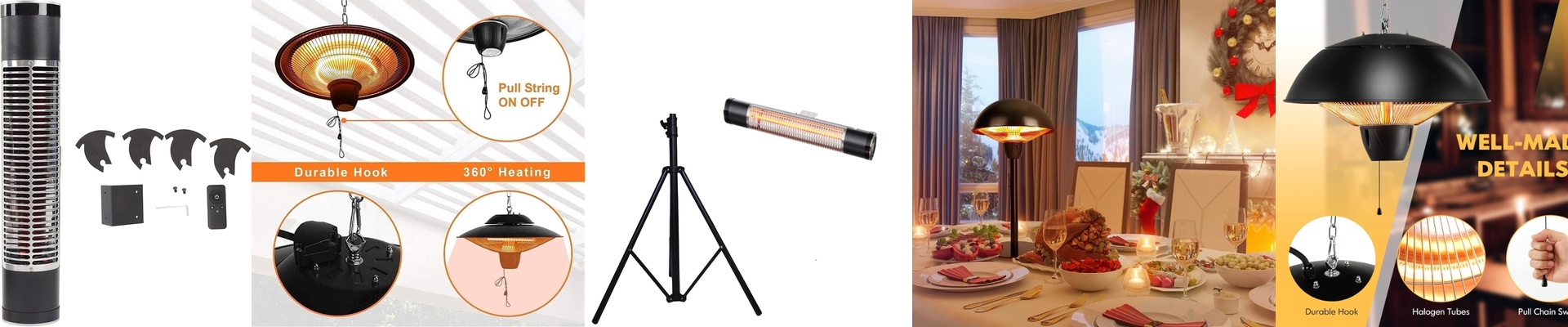
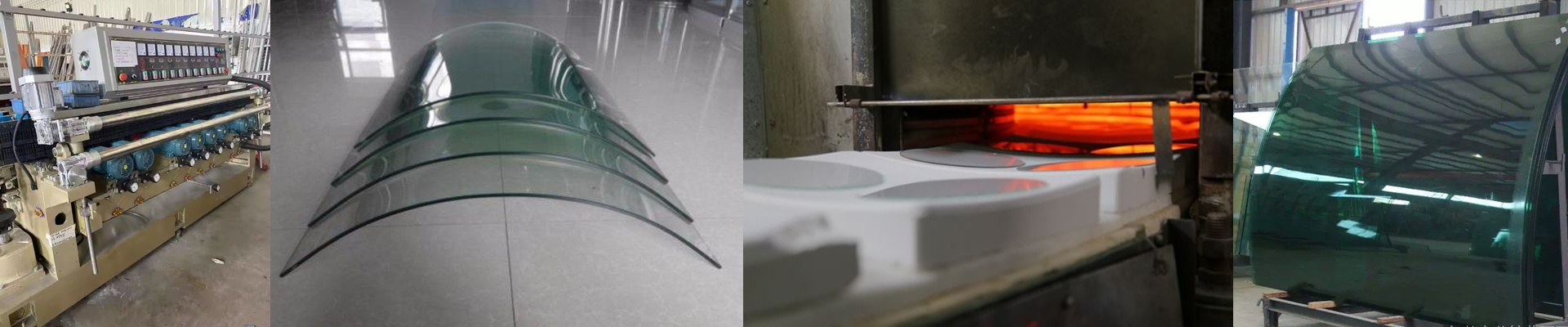
When you’re running annealing right after silk-screening your glass containers, you’re basically fighting a war with heat. You need it hot enough to bond the ink and get rid of those internal stresses in the glass. But if you push it too far—or use the wrong kind of heat—the ink starts to bleed and the glass can warp. It’s a delicate balance. We handle this by using shortwave infrared (IR) heating elements.
The Trick to Heat Density
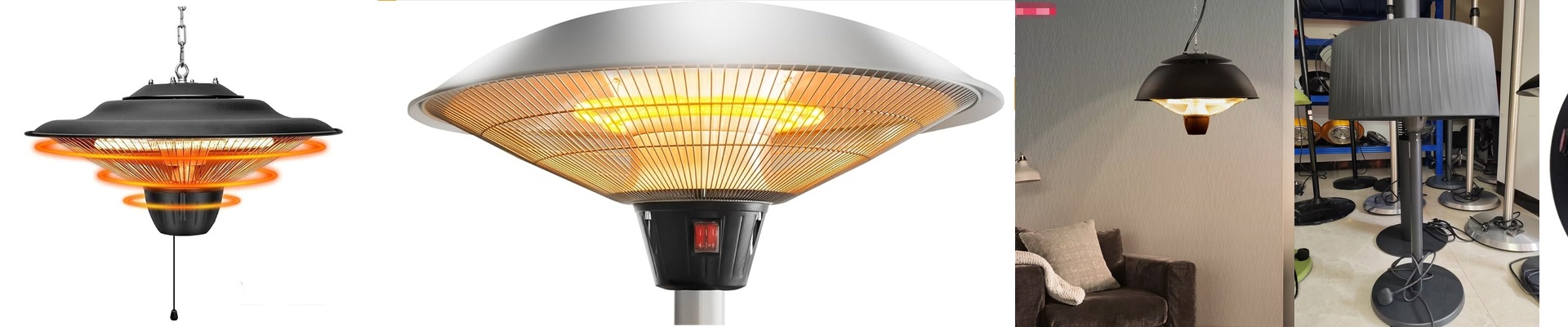
Shortwave IR lamps are great because they dive straight into the glass surface. Instead of heating up the entire bottle like an oven, you’re targeting just the ink and the layer of glass right underneath it. It all comes down to the wattage-per-centimeter. If you go too low? The ink doesn’t cure. You’ll end up with patterns that scratch off far too easily. But if you crank it up too high, you’re asking for trouble. You risk thermal shock or that annoying “ghosting” effect where the design looks blurred.
Controlling the Heat Flow
The real goal is a controlled cooldown. We use quartz-halogen elements because they hit their target temperature almost instantly. You don’t get that sluggish “heat soak” you find with old-school resistive heaters. You can flip the switch the second the container hits the zone and kill the power the moment it leaves. But here’s the catch: these lamps put out a massive amount of heat. Your conveyor speed has to be perfectly synced with the lamp output. If your line slows down for a second, those containers are going to over-bake. That’s why a PID controller is a must—it throttles the power in real-time so your glass stays strong and within spec.
Real-World Tips for the Shop Floor
We build these elements so you can swap them out fast. We use standard connectors, so when a lamp finally burns out, you just pull it and drop in a new one. No need to rewire the whole rack. One last thing: keep those quartz tubes clean. Dust builds up. When it does, you get hot spots. Those hot spots lead to uneven annealing and, eventually, a dead lamp. A quick clean saves you a lot of headaches down the road.