
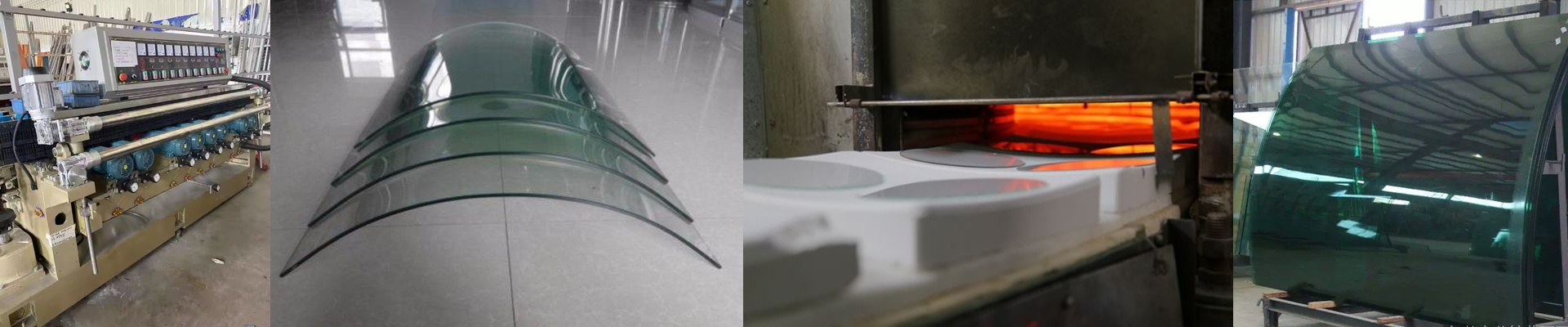
Why we’ll actually come to your shop to check your glass
Anyone can sell you a heating element. That’s the easy part. But fixing a stress-induced fracture in tempered glass? That’s a whole different beast. When you’re trying to pull stress out of glass, it all comes down to how the heat hits. If that heat is uneven, you aren’t actually fixing the problem. You’re just creating new tension points. And that’s how things break.
The problem with “standard” specs
Most people just ask for a lamp based on how long it is or how many watts it pulls. But here’s the thing: wattage doesn’t tell us how the heat actually lands on the glass. We care about the spectral output and exactly how far the lamp sits from the surface. If a lamp is too powerful for a small area, you get localized overheating. Then you get thermal shock. It’s messy. That’s why we prefer to just show up, look at your line, and find exactly where the cold spots are hiding.
Getting the heat right
Stress removal is really about a “controlled soak.” We look at your conveyor speed and how your heaters are cycling. If your lamps are flicking on and off too aggressively, the glass surface temperature starts to bounce. That instability kills the annealing process. We don’t just trust the number on your control panel, either. We bring in thermal imaging to see what’s actually happening on the glass.
The trade-offs nobody mentions
Sure, high-intensity infrared arrays can speed things up. But there’s a catch. When you crank up the heat density, you put a lot more strain on your electrical mains. Plus, the air around the machine gets scorching. If your cooling fans aren’t up to the task, your electronics are going to fry. We aren’t interested in just shipping you a replacement part. We want to make sure the heat profile actually matches your glass thickness and those specific stress patterns you’re fighting. It’s the difference between a part that happens to fit and a process that actually works.