Stop Fighting Your Furnace Footprint
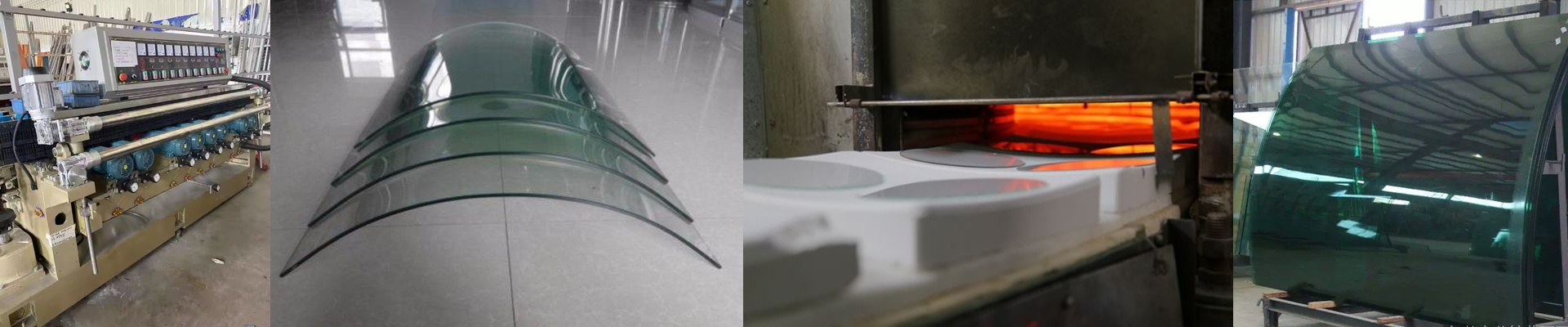
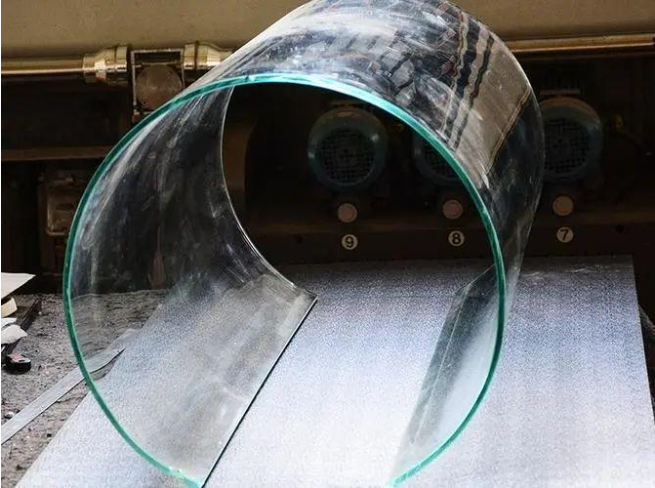
Train windows are a pain. They aren’t simple rectangles, and when you’re working with curved glass, your annealing furnace usually ends up with these tight, awkward gaps. I see it all the time: engineers trying to jam standard heating tubes into a layout they weren’t built for. It never works. You end up with cold spots, internal stress in the glass, and a lot of frustration. The trick is to stop building your furnace around the heater. Instead, let’s build the heater around the glass. By tweaking the length and the actual shape of the quartz tube, you can map the heat exactly to the curve of the window. This is where short-wave infrared really shines. It hits the glass and penetrates quickly. If you’re starved for space, we can just use shorter tubes with higher wattage. You get the heat you need without needing a massive, room-eating heating chamber. It’s all about the angle. Custom shapes aren’t just for show. They’re about getting the heat to actually land where it should. A bent lamp lets the infrared radiation hit those curved edges dead-on. Without that, you get “edge-drop”—where the perimeter of the glass cools way faster than the middle. Not ideal. We can dial in the wattage and voltage to match whatever power grid you’ve already got in place. But a quick heads-up: when you cram high wattage into a tiny, custom tube, your wiring and connectors feel the heat. Just make sure your terminals can handle the current, or you’re looking at a burnout. The trade-off The big win here is the footprint. You get more heat in way less space. The catch? You can’t just call a random supplier and grab a generic tube from a catalog if one pops. These are specific to your setup. My advice? Keep a few spares on the shelf. It’s a lot cheaper than having your entire line go dark while you wait for a shipment.