



Stop the Cracks: A Better Way to Handle Glass Tempering
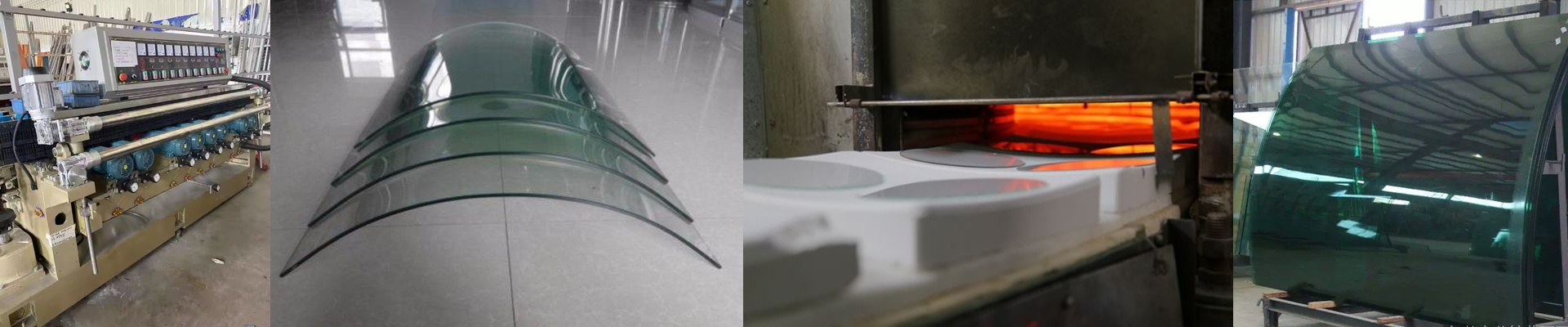
Tempering glass is basically a high-stakes balancing act. You need to get the glass from room temperature up to its softening point fast, but there’s a catch. If you take too long, you’re just wasting time and money. But if you slam it with heat too quickly or unevenly?**Snap.**There goes your sheet of glass. That’s why we lean on shortwave infrared (IR) lamps. They give us the fastest way to dial the heat up or down without breaking things.
The trick to controlling the heat
The secret to avoiding thermal shock is all about how quickly you can throttle the power. Most heaters try to warm up the air first, which is slow and clunky. These IR lamps don’t bother with the air—they shoot energy straight into the glass. We pair them with SCR power controllers, which let us tweak the wattage in milliseconds. It lets us ramp up the heat in stages. No sudden shocks, no internal stress, and way fewer broken pieces on the factory floor.
The heavy-duty stuff
When you’re dealing with thick, marine-grade glass, you need some serious muscle. We use high-wattage halogen tubes for this. They run incredibly hot to push that radiation deep into the material. The best part? The heat stays concentrated right where it belongs, instead of leaking out and warming up the oven walls for no reason. Just a heads-up: running these at full blast puts a massive strain on your electrical system. Make sure your wiring and contactors can actually handle the peak current. If you cut corners here, you’re just asking for a burnout during a fast cycle.
Keeping things running
We use standard connectors, so if a tube pops, you can just swap it out and get back to work. No one likes staring at a dead machine for three hours. But here’s the thing: these lamps are powerful, and that makes the quartz envelopes sensitive. If they get dirty or contaminated, they’ll degrade. Keep your reflectors clean. If they start to oxidize, your heat distribution goes wonky. You’ll end up with cold spots on your glass, and once that happens, your tempering process is ruined. Simple as that.