Getting Low-E Glass Preheating Right When You’re Going Wide
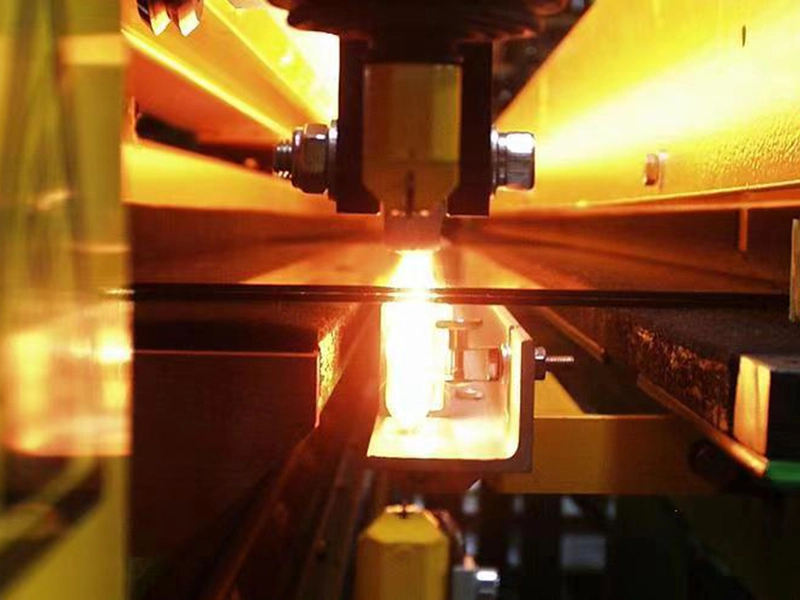
If you’re trying to preheat Low-E glass that’s wider than 3 meters, you’ve probably realized that standard infrared lamps just don’t cut it. You end up with those annoying cold spots across the glass, and in this business, that’s a problem. We build continuous infrared heating units specifically to fix that. The goal is simple: make sure the heat is dead flat from one edge to the other. No surprises.
The struggle with power and length
When you build a lamp unit over 3 meters long, things get tricky. You start dealing with voltage drops and thermal expansion. It’s a bit of a balancing act. We figure this out by calculating the exact wattage needed for every single meter to hit your target temperature. To keep the wiring from getting too hot—and to keep the current under control—we usually move to higher voltage setups. Then there’s the “sag.” Quartz tubes naturally bow over long distances. If that happens, your heat density shifts, and suddenly your preheating is uneven again. We solve this with reinforced support brackets that keep everything locked in a straight line.
The gear inside
We use high-purity quartz envelopes because they can take the heat required for Low-E processing without breaking a sweat. Depending on how fast your cycle needs to be, we can go two ways. Short-wave emitters if you need an instant response, or medium-wave if you need the heat to soak deeper into the glass. We also use heavy-duty connectors. There’s nothing worse than a lamp burning out right at the contact point, so we over-engineer that part. Plus, these units are designed to slide right into your existing setup, replacing those old, clunky arrays.
The things people forget
Here’s the thing: a 3-meter heater puts a massive amount of thermal load on your machine frame. You can’t just bolt it in and call it a day. If your cooling system isn’t up to the task, all that radiant heat reflecting off the glass will actually warp your conveyor supports. It’s a mess you don’t want to clean up. To make it work, we suggest using independent PID controllers for different zones of the lamp. This lets you tweak the edges to make up for the heat loss, keeping the whole sheet perfectly consistent.