
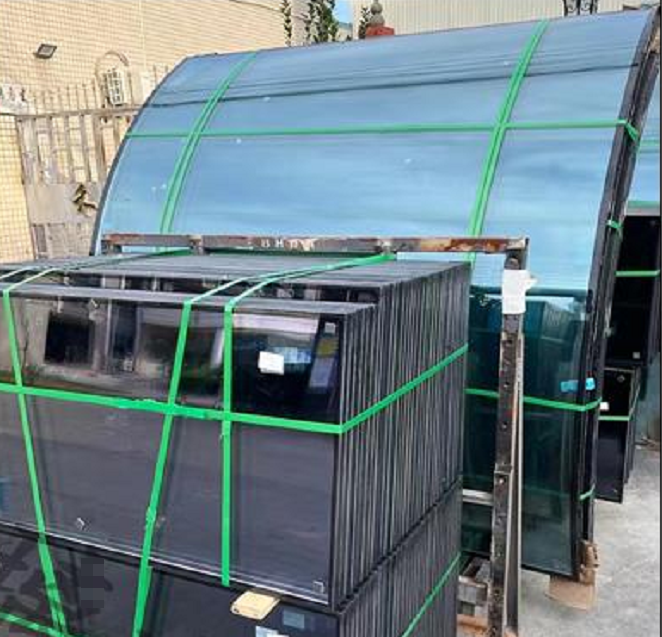
Why Consistent IR Lamps Save Your Glassware from the Scrap Bin
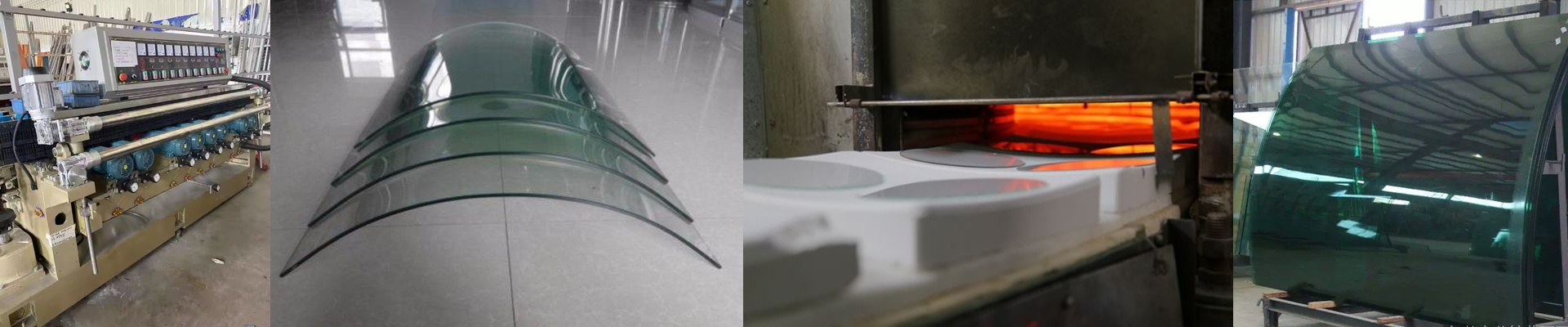
Ever had a whole batch of glassware shatter because the oven was just a little off? It’s a nightmare. Usually, it happens because of a thermal gradient. If one side of your oven is running even 10°C hotter than the other, you’re building internal stress into the glass. Then, boom. Everything breaks. We see this all the time in batch processing. Most people think the answer is just “crank up the heat,” but that’s not it. You don’t need more heat—you need heat that’s actually consistent. The problem with “standard” lamps Here’s the thing: standard IR lamps are kind of sloppy. They often have a power variance of 5% or more. In a big annealing tunnel, those little gaps turn into cold spots. When you switch to high-consistency lamps, you’re tightening those specs. Every tube in the array puts out the same wattage and the same spectral output. The glass hits the annealing point everywhere at once. It’s a huge relief. Plus, you don’t have to over-cycle the oven, which means you get your product out the door faster. Why shortwave is the way to go We stick with shortwave IR because it doesn’t just sit on the surface; it punches through the glass quickly. You get that heat transfer almost instantly. But there’s a catch. That kind of heat density puts a real strain on your electrical setup. If you’re wiring up a high-wattage array, make sure your contactors and wiring can actually handle the peak current. If they can’t, you’ll get voltage drops, and all that precision you paid for goes right out the window. Getting the balance right Consistency is a bit of a balancing act. Tight-tolerance lamps are great, but they’re sensitive. If your facility’s power grid dips, the lamps will feel it. You need a rock-solid power supply to keep that output flat. We’ve found it works best when you pair these lamps with a calibrated PID controller to handle the cooling ramp-down. That way, the glass doesn’t just hit the target temp and leave—it hangs out there long enough to actually relieve the stress before it cools down for good.