Making High-Ceiling Infrared Heaters Actually Smart
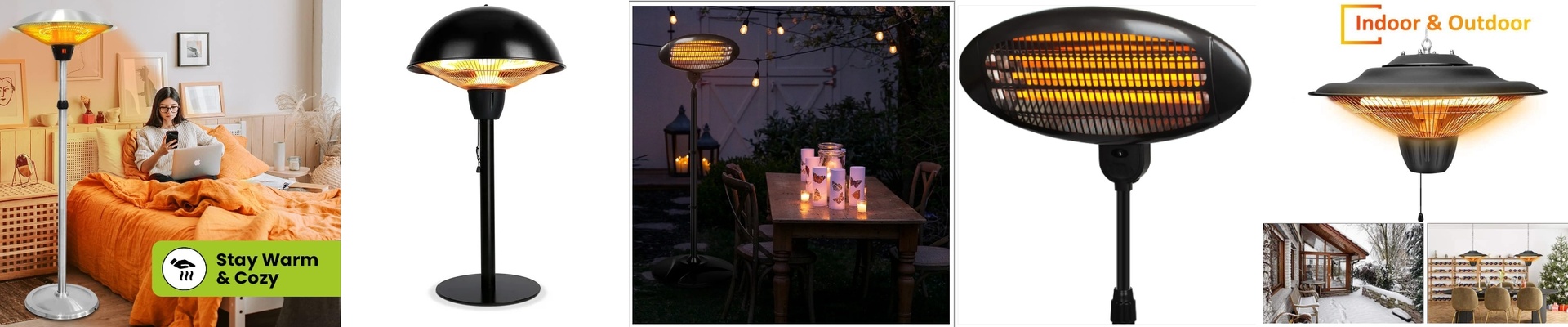
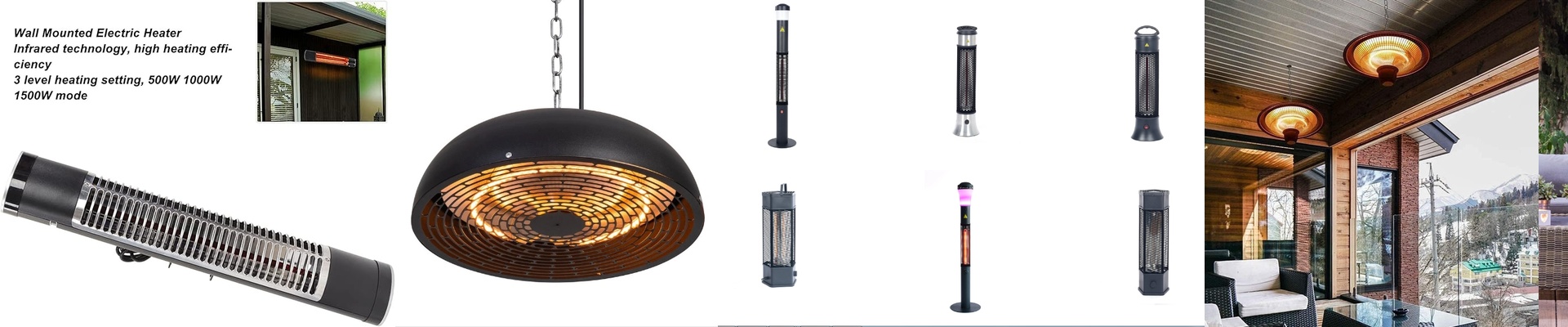
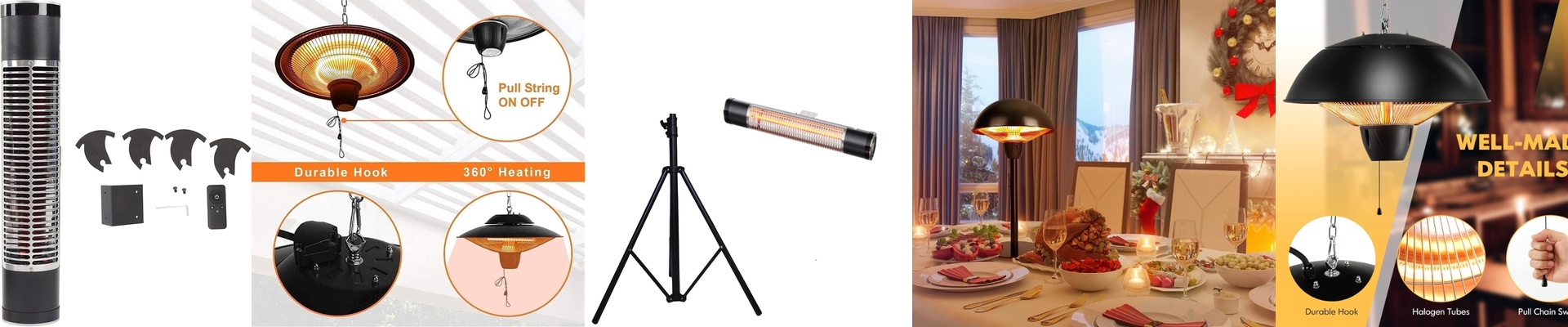
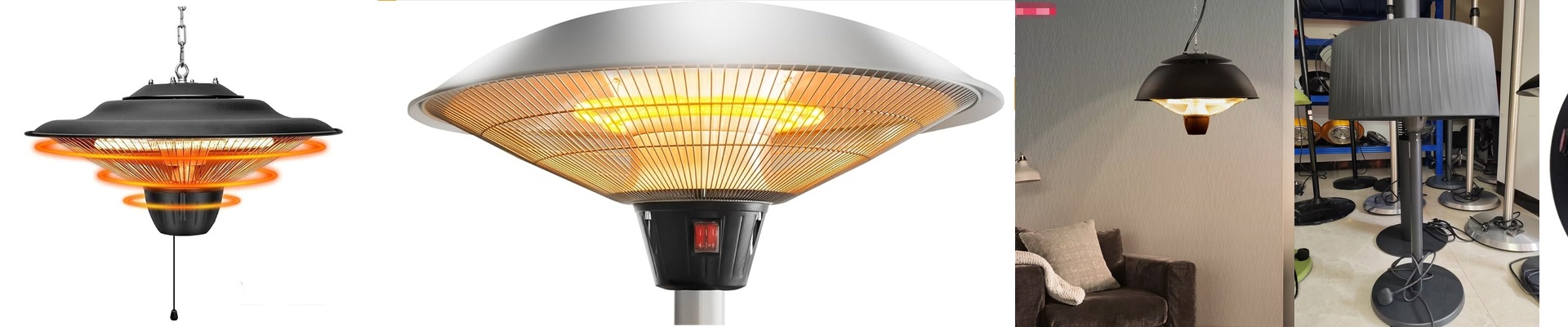
If you’ve got high ceilings, you know the struggle. You turn on the heat, but the warmth just floats up to the rafters while you’re still shivering on the floor. That’s why infrared is a lifesaver. Instead of trying to warm up all that empty air, these heaters beam heat directly onto you. It feels like stepping into a patch of sunlight on a cold day. But when you mount them way up high, you can lose some of that punch. You need a bit of a strategy to make sure the heat actually reaches you. The trick is getting them hooked up to your smart home. Whether you use Zigbee, Matter, or just basic Wi-Fi, the goal is to get rid of the wait. Traditional HVAC systems are slow—they chug along for twenty minutes before you feel a difference. Infrared is different. It’s almost instant. You tap a button on your phone or tell your voice assistant to turn it on, the filament glows, and boom. You feel the warmth immediately. It’s like a shortcut to being cozy. Now, a word of warning on the gear. Don’t just grab a cheap smart plug from the drugstore. Seriously. These heaters pull a lot of power—usually 2kW or 3kW—and a standard little plug will just melt or burn out. You need a heavy-duty smart relay that can actually handle the load. I usually pair these with a couple of PIR motion sensors or temperature probes. That way, the system knows the second the room dips in temperature and kicks the heat in before you even realize you’re cold. One thing to watch out for: the power spike. If you set up a “Scene” that flips on five high-ceiling heaters at the exact same millisecond, you might trip your breakers. Make sure your electrical panel is up to the task. The best part? You forget they’re even there. Once the wiring is done and the hub is set up, the heaters just blend into the background. No more climbing ladders to flip switches or messing with awkward wall panels. You just live your life, and the room stays warm. Simple as that.