Making Your Outdoor Heaters Actually Smart
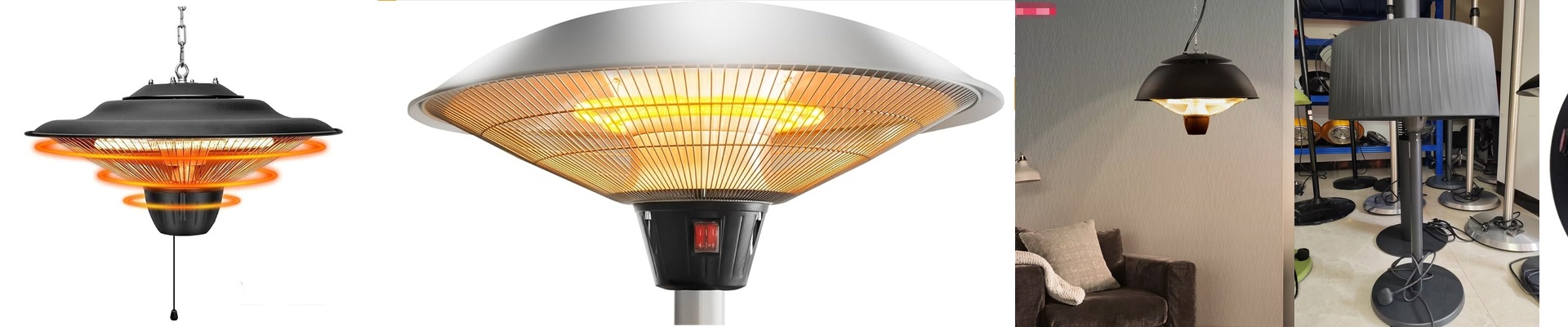
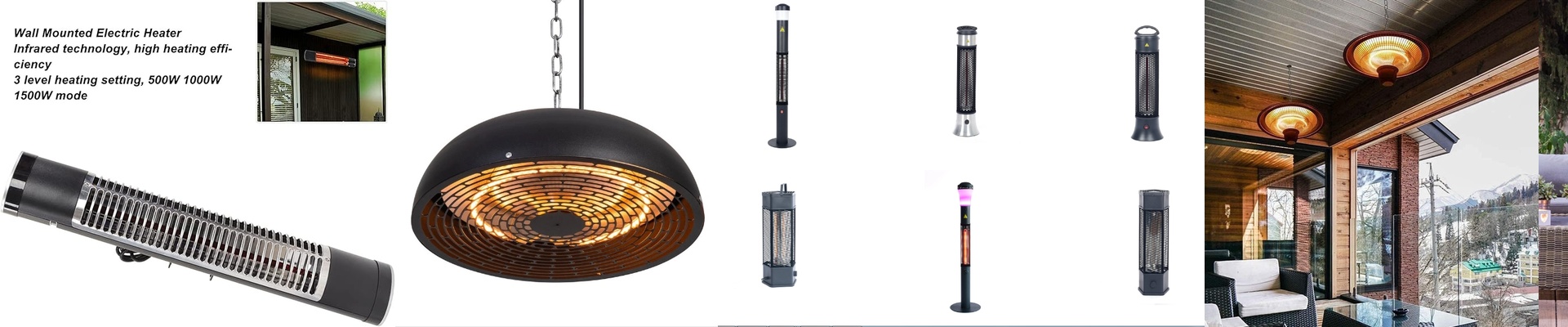
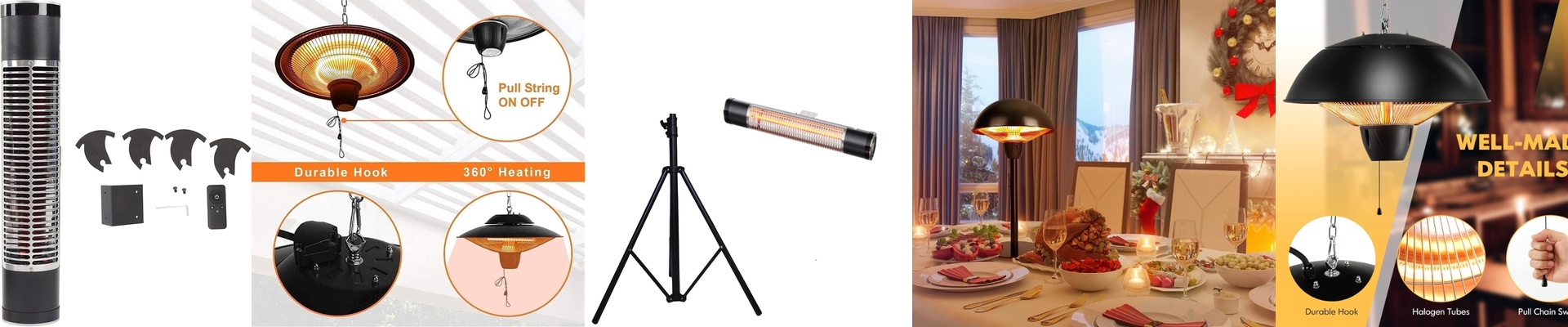
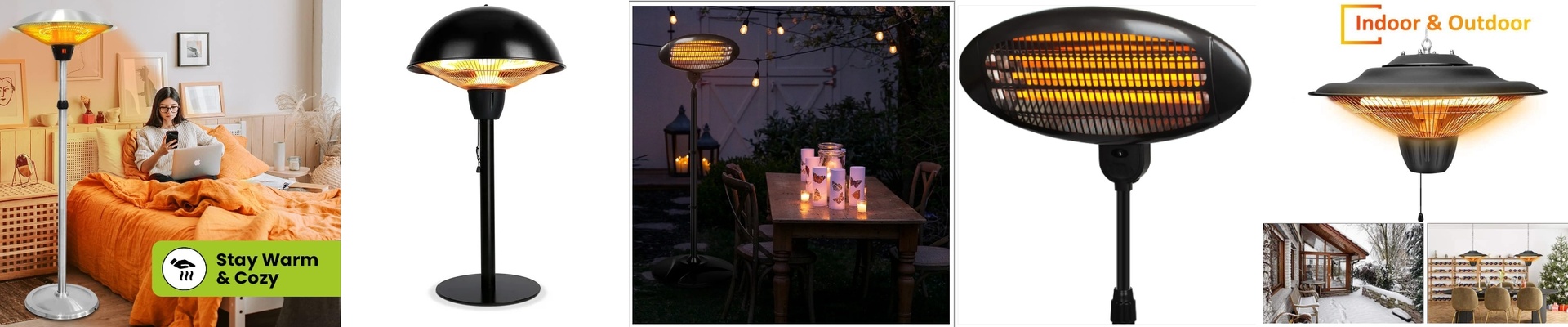
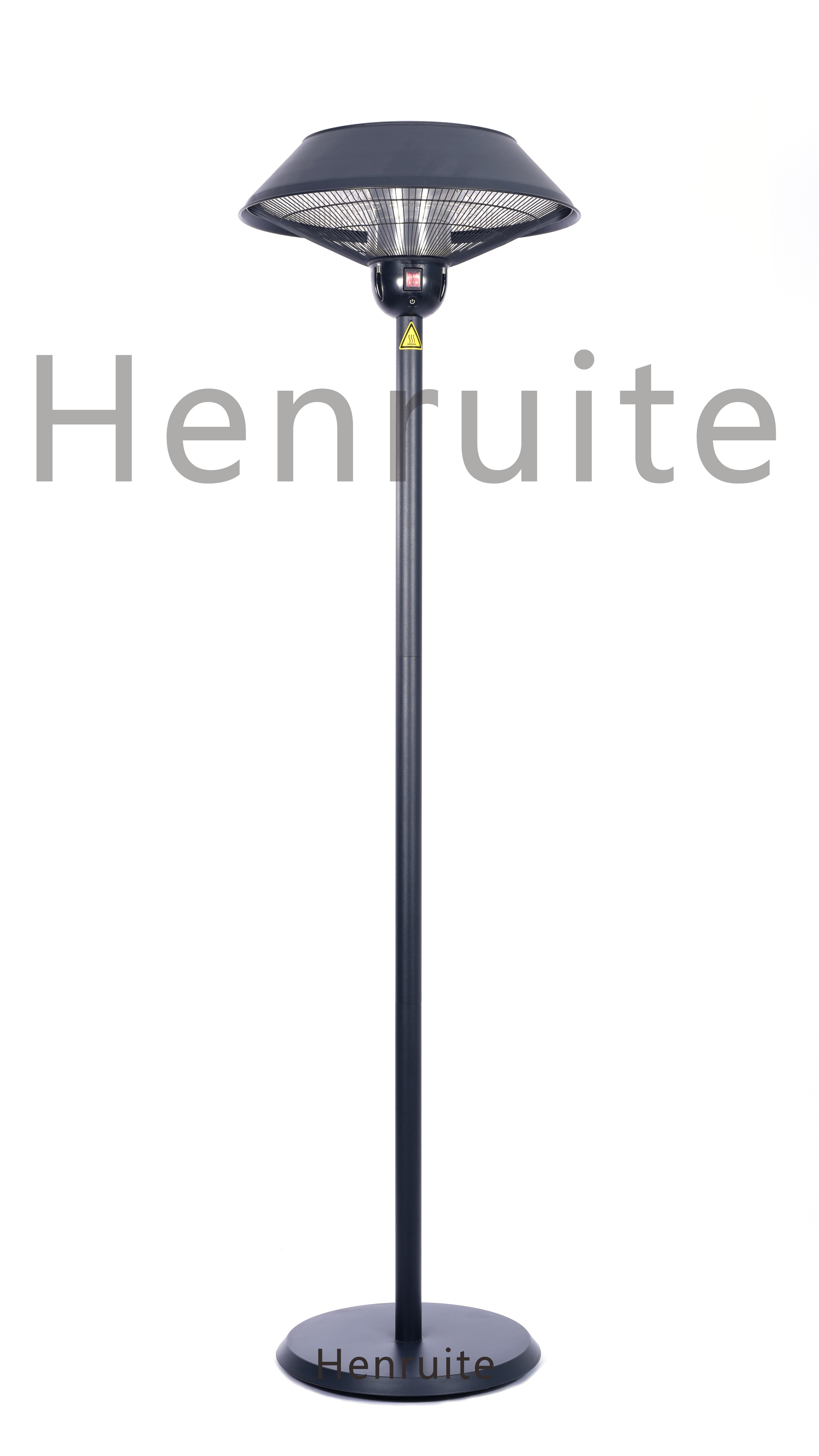
We build our outdoor heaters to take a beating. Rain, snow, dust—it doesn’t matter. They’re IP66-rated, which is just a fancy way of saying they won’t quit just because the weather gets ugly. The real magic is the shortwave infrared tech. Most heaters try to warm up the air around you, but that’s a losing battle when the wind is blowing. Ours work differently. They send heat directly to you and your guests. It’s that feeling of stepping into sunlight on a crisp morning. You flip the switch, and you’re warm. Immediately. The Hardware Side of Things To keep those quartz elements safe, we wrap them in heavy-gauge aluminum and tempered glass. It’s rugged stuff. But here is a heads-up: these things pull a lot of power to keep you warm in the open air. Before you install a bunch of them, take a look at your electrical panel. If your wiring isn’t up to the task, you’re going to be tripping breakers the second you try to cozy up your patio. Not a great look when you have company over. Getting Them “Smart” If you want to control your heat from your phone or with your voice, you’ll need a solid relay or an IoT controller. We usually handle this with Zigbee or Wi-Fi modules that talk directly to the power stage. It makes life easier. One tap on your phone, and the patio is ready. It’s not just about turning the power on, though—it’s about how the system handles the ramp-up so everything runs smoothly. A Few Things to Keep in Mind That “instant spring” feeling is amazing, but it comes with a trade-off. Because the wattage is so high, it puts a real load on your circuits. My advice? Put your outdoor heating on its own dedicated circuit. You don’t want your heaters fighting for power with your outdoor speakers or smart lights. And one last thing: watch out for lag. If you’re using a complex automation hub and there’s a three-second delay between your command and the heat kicking in, it kills the whole experience. In the world of infrared, speed is everything.