

Why Your Bathroom Heater Actually Needs to Be Waterproof
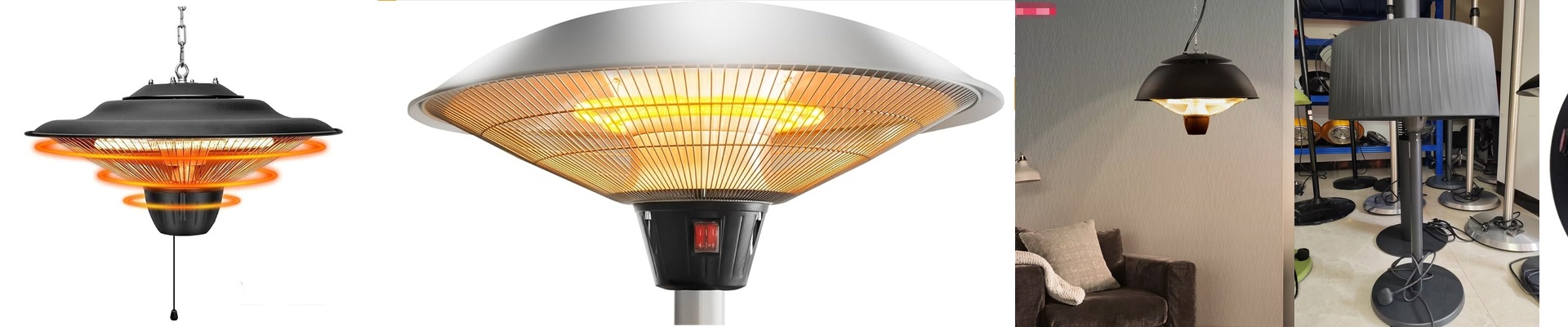
Ever stepped out of a hot shower into a freezing bathroom? It’s the worst. Most of us have those old-school “light heaters,” but here’s the problem: they aren’t really built for steam. Between the humidity and the splashing, those cheap seals give out, and before you know it, you’ve got a short circuit. That’s why we’re moving toward high-standard infrared wall heaters. We’re talking about units that aren’t just “bulbs in a box,” but sealed systems designed to keep moisture out where it doesn’t belong.
The magic of radiant heat
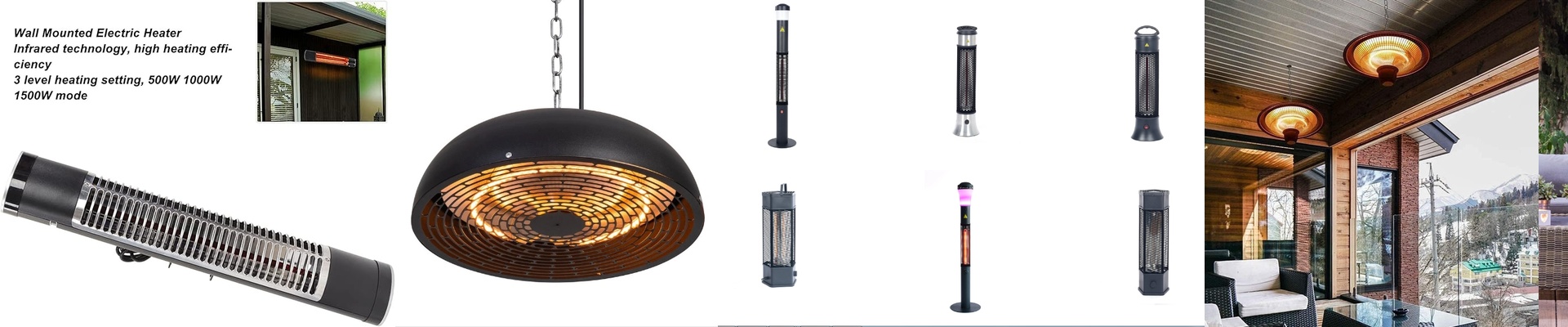
Here is the thing about traditional heaters: they try to warm up the air. But if your bathroom is drafty, that warm air just floats away. You’re left shivering while the ceiling gets warm. Infrared is different. It sends out waves that hit your skin or the walls directly.**You feel the heat the second you flip the switch.**No waiting around for the room to warm up. We use short-wave emitters because they pack a ton of heat into a tiny space. It’s fast. Really fast.
Keeping the water out
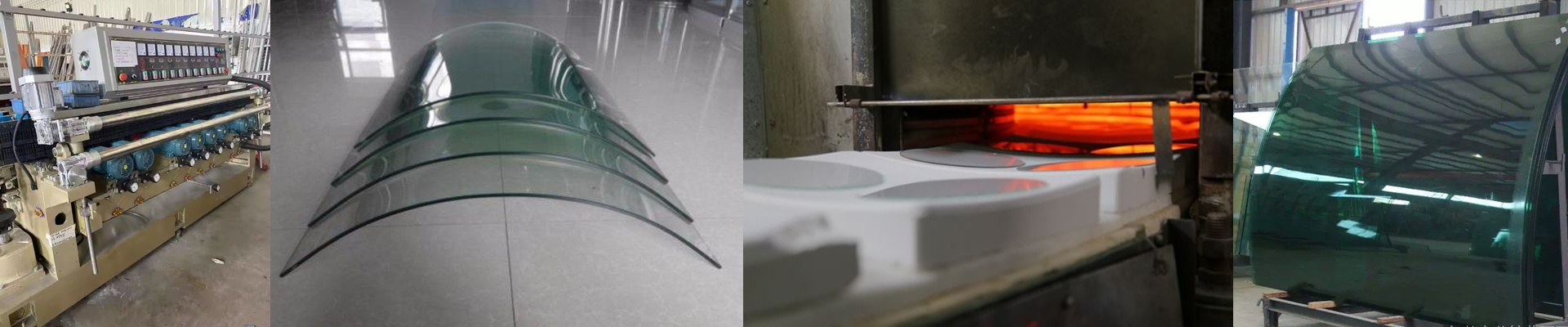
A heater is basically a paperweight if steam leaks into the housing. We make sure these units hit an IPX4 rating or higher. In plain English? We use heavy-duty gaskets and seal the junction boxes tight. The heating elements are wrapped in high-purity quartz glass, which stops the humidity from eating away at the components. Plus, it keeps things clean. One quick tip on power: check your wattage. For most small bathrooms, 600W to 1200W is the sweet spot. If you go overboard with a massive heater in a tiny room, you might actually scorch your paint or damage your wall cladding. Not a great look.
Setting it up and keeping it running
The best part is that these are usually drop-in replacements. You can swap out your old light-heater without a total renovation. Just make sure you wire it to a dedicated circuit with a GFCI—safety first when you’re mixing electricity and water. Now, quartz tubes eventually burn out. That’s just physics. But we designed the housings so you can just pop the emitter out and swap it for a new one. No need to rip the whole thing off the wall. Just a heads-up: because the seals are so tight to keep the water out, you’ll want to be a bit more precise when you’re mounting it the first time. Get it straight, bolt it down, and you’re set for years.