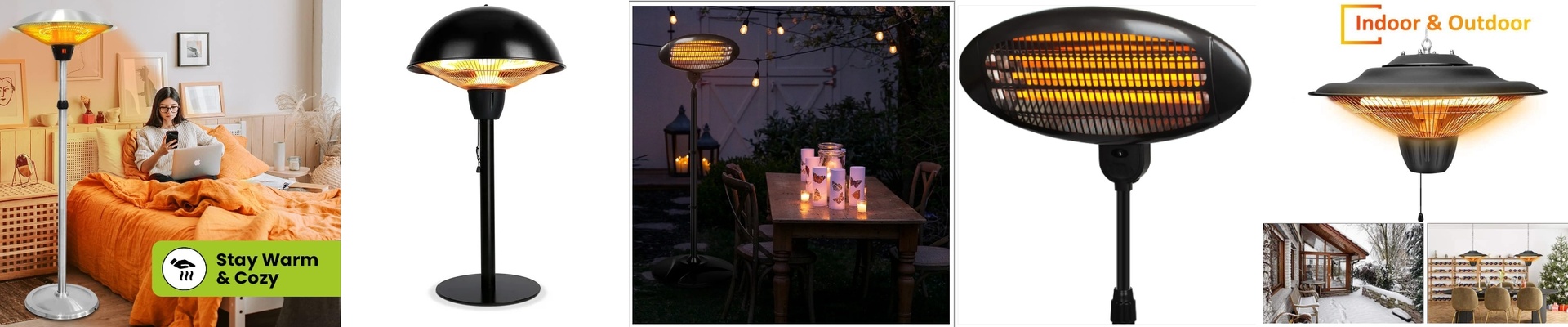
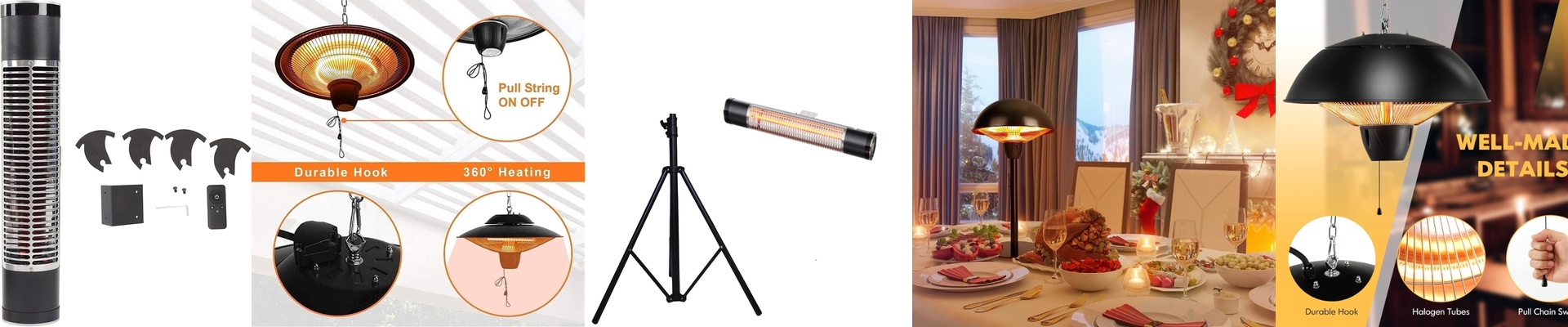
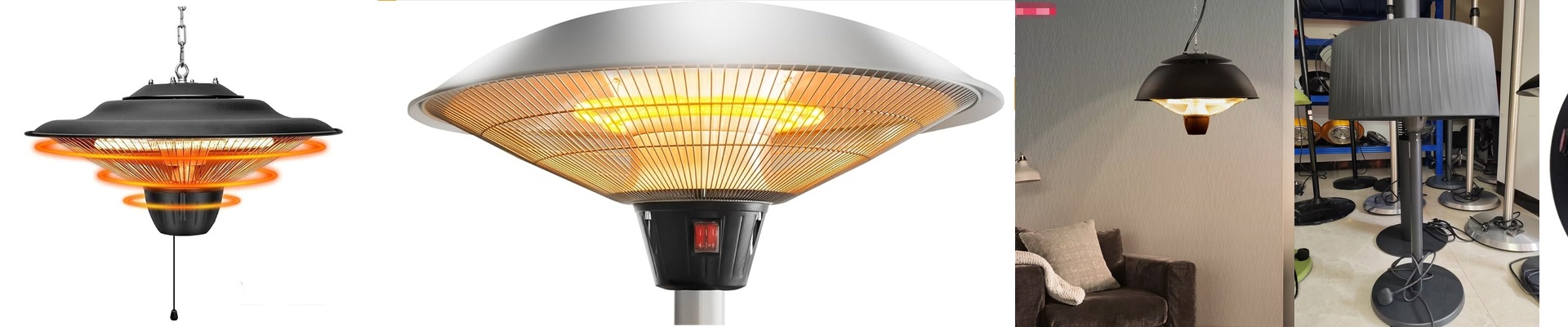
Why Your Ceiling Heaters Actually Die (and How to Fix It)
If you’ve ever had a workshop infrared heater kick the bucket, you probably assumed the heating element just burnt out. But here’s the thing: that’s rarely the real problem. The actual culprit is usually the lead-wire connection. When these units are cranking at full blast, the spot where the wire hits the quartz tube gets incredibly hot. If that seal isn’t tight, oxygen and moisture sneak in. They chew away at the insulation until it gets brittle, cracks, and—boom—you’ve got a short circuit.
The battle against the heat
Most basic setups use cheap adhesives or gaskets that just don’t cut it. Think about it: these heaters are constantly expanding and contracting as they heat up and cool down. That movement literally rips cheap seals apart. We do things differently. We use a hermetic barrier—basically a fancy way of saying we lock the air out completely. This stops “carbonization,” which is just a technical term for when your insulation turns into a conductive piece of charcoal. That’s exactly what causes those nasty electrical arcs in industrial heaters.
Why the “cheap stuff” fails
You’ll see a lot of generic builds using standard heat shrink or some low-temp silicone. In a high-heat IR environment, that stuff either melts into a puddle or turns rock hard. We use a two-step approach: high-temp ceramic potting and specialized fluoropolymer sleeves. It sounds like a lot, but it means the wire stays isolated even when the tube is screaming hot. The power goes where it belongs—into the element—instead of leaking into the chassis.
A quick tip for installation
There is one trade-off. Because our sealing is so solid, the wire exit is a bit more rigid. Don’t bend these wires at sharp angles. If you kink the sealed section, you might crack the potting compound. Just make sure your mounting brackets leave a nice, natural loop in the wiring. Give it some breathing room. It’s a small detail, but it’s a big deal. We’ve found that properly sealed leads can make these units last about 40% longer in heavy-duty shops. That means way less time balancing on a ladder replacing blown heaters and more time actually keeping your workspace warm.