
Stop the Cracking: A Better Way to Preheat Your Nip Rollers
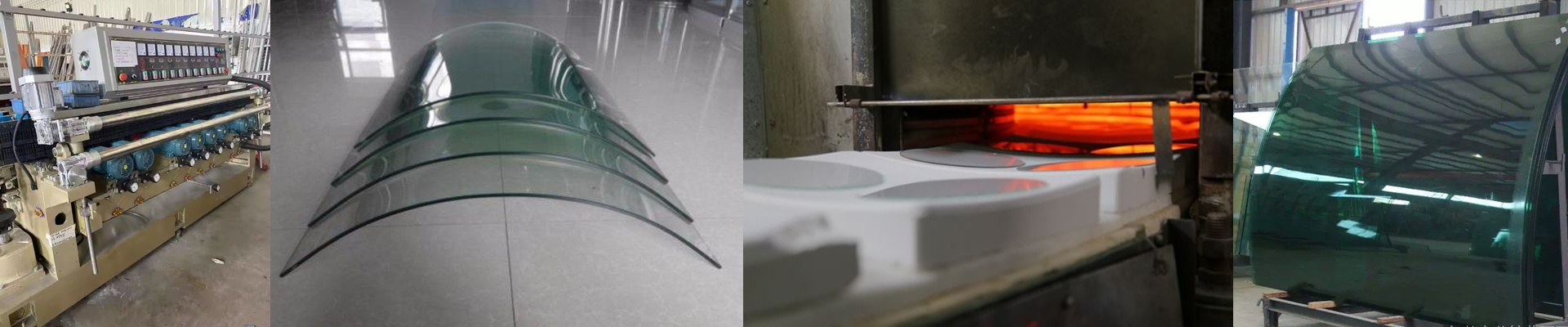
If you’ve ever seen a piece of glass shatter the second it hits a nip roller, you know that sinking feeling. It’s usually because the temperature jump between the room air and the roller is just too aggressive. That “thermal shock” is a nightmare—it leads to stress fractures, total breakage, and a lot of wasted material. To fix this, we use shortwave IR heating lamps. They’re fast, they’re precise, and they actually work.
Why standard heaters fail
Most heating elements have way too much “thermal mass.” In plain English? They’re slow. They take forever to heat up and even longer to cool down. Shortwave IR is a different beast. By using SCR controllers to tweak the voltage, you can change the heat output in milliseconds. It’s almost instant. This is huge because it lets you sync the heat perfectly with your line speed. If the feed slows down, you just drop the power. No overheating, no ruined glass, no panic.
Getting the heat where it matters
We stick with halogen-filled quartz tubes because they pack a punch. They allow for higher temperatures and a concentrated beam that actually penetrates the glass. You want the heat in the material, not just warming up the air around the rollers. One heads-up, though: these lamps pull a lot of wattage. When you’re wiring these into your cabinet, don’t skimp on the cooling fans. If the cabinet gets too hot, your SCRs will trip, and your whole line goes down. It’s a simple mistake, but a frustrating one.
Putting it to work
The goal is to create a thermal buffer. By adding a preheat stage right before the nip rollers, the glass is already acclimated. It doesn’t get that “cold hit” that causes the cracks. If your scrap rates are climbing because of breakage, this is usually the fastest way to bring those numbers down. Just a quick tip: make sure your sensors are reading theactual surface of the glass, not the temperature of the lamp. If you track the lamp instead, you’ll end up burning out your tubes.