
Getting Rid of Cold Spots in Glass Tunnel Kilns
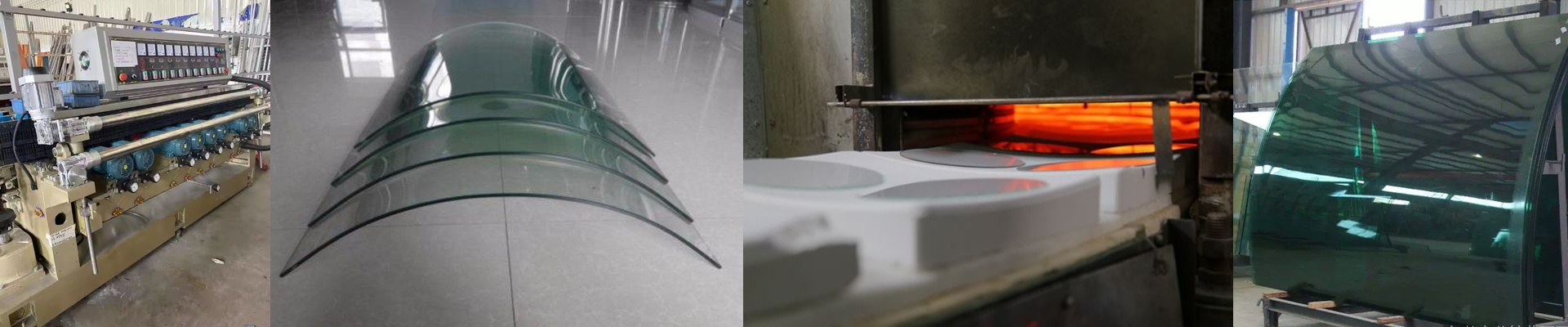
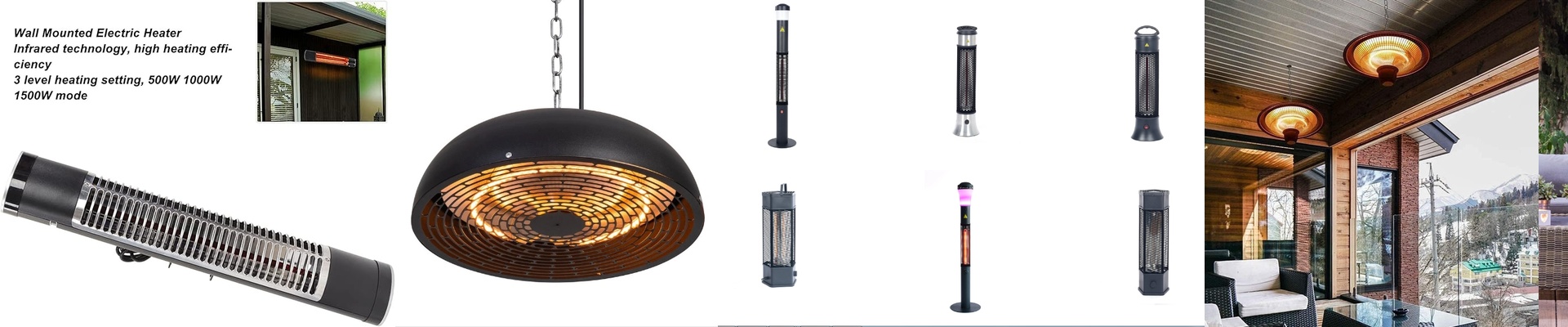
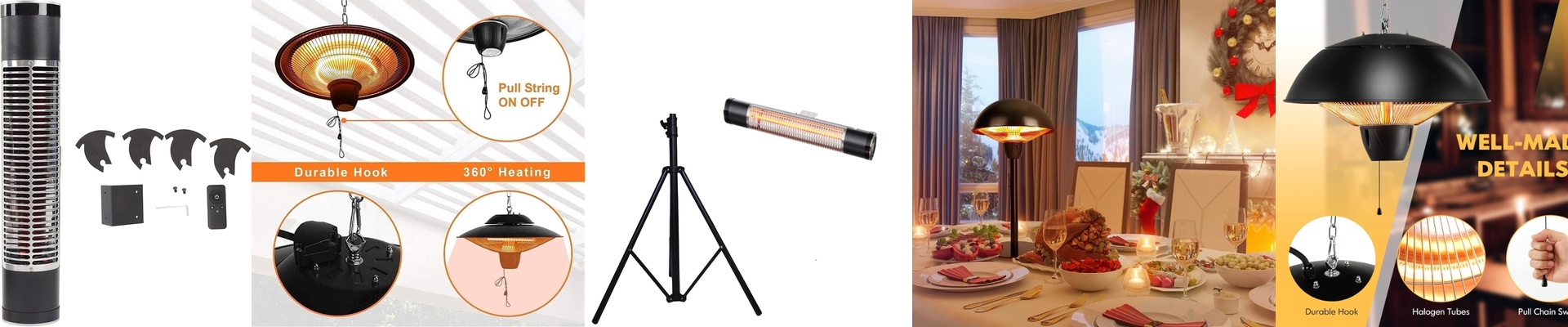
Most infrared lamps are pretty short—maybe a few hundred millimeters. That’s fine for small jobs, but when you’re running a long glass tunnel kiln, those short segments are a headache. You end up with these annoying cold spots between the lamps that mess with your quality. We fixed this by building continuous infrared units that stretch over 2 meters. The struggle with length You can’t just stretch a filament and call it a day. If you do, the ends end up cooler than the middle because of the voltage drop. It’s a basic physics problem, but it leads to a big problem: thermal shock. We spend our time tweaking the wattage and voltage so the heat hits the glass evenly. No warping, no surprises. Just a steady, uniform glow. Keeping things straight Here’s the thing about long tubes: they want to sag. To stop that, we use reinforced quartz or specialized alloys. It keeps the lamp stiff and stable. We also line them up in tight rows. Instead of a bunch of separate hot spots, you get a solid wall of heat. It feels more like a blanket of warmth than a flashlight. The real-world trade-offs Wiring these isn’t a “plug and play” situation. These units pull a lot of current, so we use heavy-duty connectors. You don’t want your terminals overheating while the kiln is humming along. But I’ll be honest with you—there is a trade-off. When you go with one massive 2-meter unit, you lose some redundancy. If a small section of the filament burns out, the whole unit is down. With ten small lamps, you only lose 10% of your heat; here, you lose the whole stretch. Plus, your control system has to work a bit harder to manage the extra thermal mass. It’s a choice between having a few “safe” small lamps or the perfect, smooth heat of a long unit. For most high-end glass work, the smoothness is worth it.