
Stopping Glass from Cracking During annealing
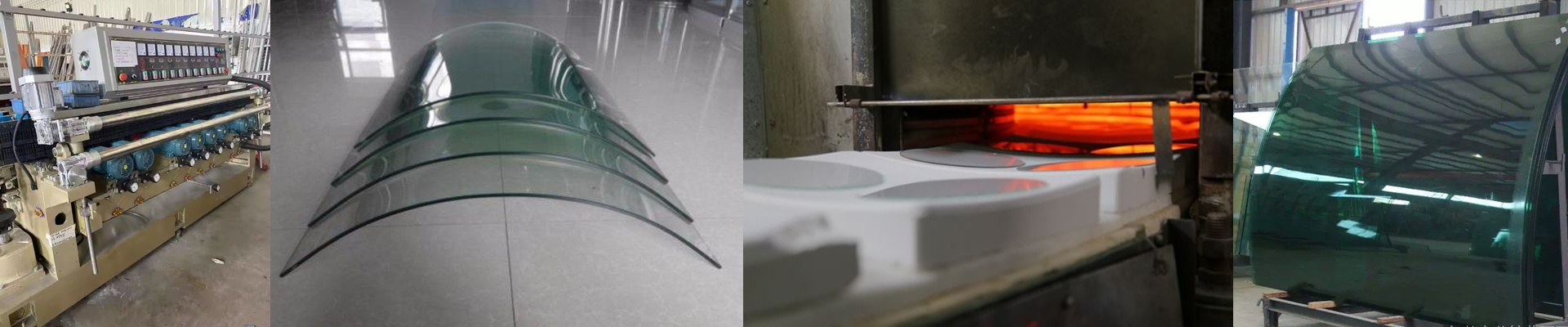
Ever had a piece of glassware just… snap? It usually happens during annealing when you’re rushing the heat. Here is the problem: if you blast the glass with too much heat too fast, the outside expands while the inside is still cold. That tension builds up until the material just gives way. It’s a nightmare.
Why Fast Power Control Matters
To fix this, we use shortwave infrared (IR) lamps. The beauty of IR lamps is that they don’t act like old-school furnaces. A furnace takes forever to heat up and cool down—it’s got way too much “thermal baggage.” IR lamps, on the other hand, react the second you tweak the voltage. This lets us ramp up the heat in stages. Instead of one big shock, we modulate the power to let the heat soak in slowly. It keeps the temperature difference between the surface and the core small enough that the glass stays happy.
Getting the Setup Right
We usually go with high-density shortwave emitters. Why? Because shortwave radiation actually digs deeper into the glass. It cuts down that annoying lag between the outside and the inside heating up. You’ll need a solid power supply—something like a thyristor or SCR controller. You want something that switches fast without making the lights flicker. And please, double-check your footprint. If your lamps are too short, you’ll end up with cold spots. But if you crank the wattage too high and your belt is moving too slowly? You’re going to melt the surface.
The Trade-offs (The Stuff People Forget)
Here is the catch: constantly cycling your power puts a lot of stress on your gear. If you use cheap contactors, they’ll burn out fast. Stick with solid-state switching. It’ll save you a massive headache. Also, these high-wattage arrays gethot. Really hot. If you don’t have powerful exhaust fans pulling that waste heat away, your electronics will start to drift and trip. Worse yet, the lamp housing itself can actually warp. Once that happens, your focal point is gone, and you’re back to square one.