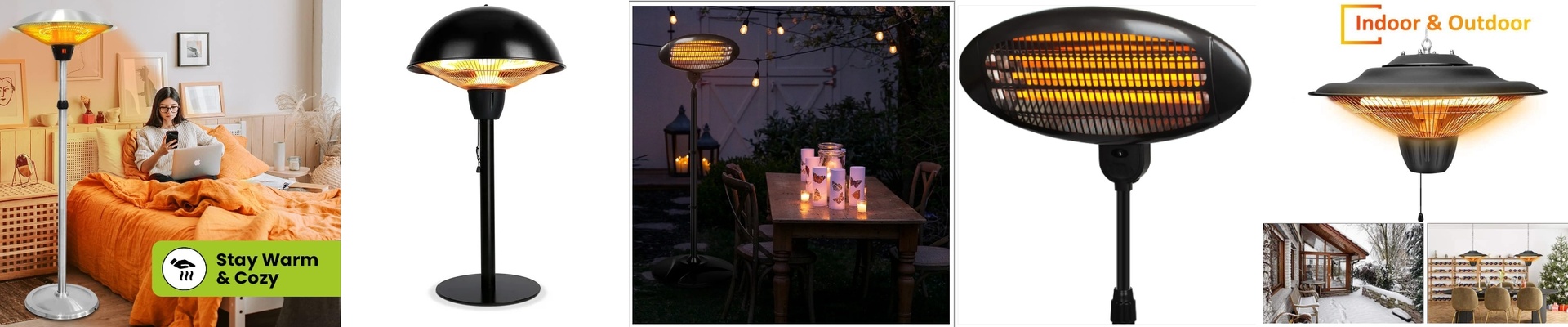
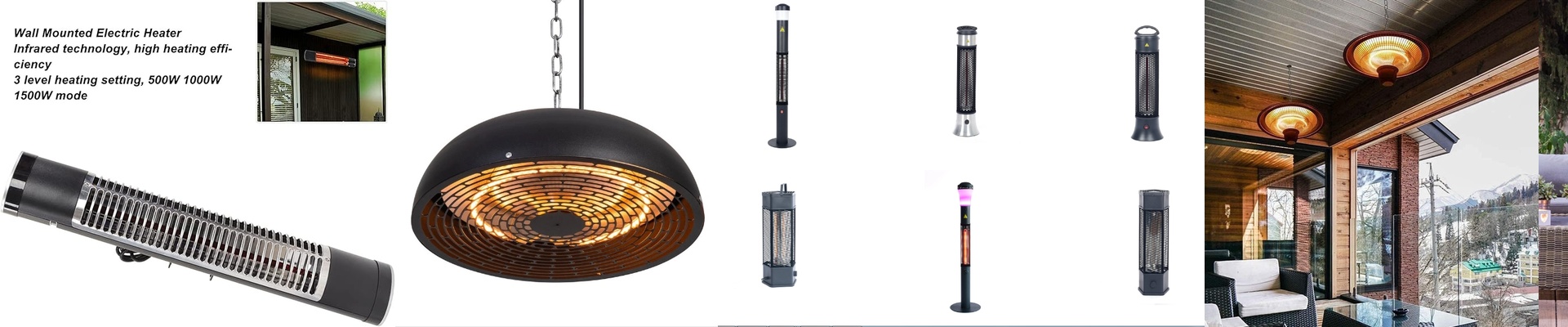
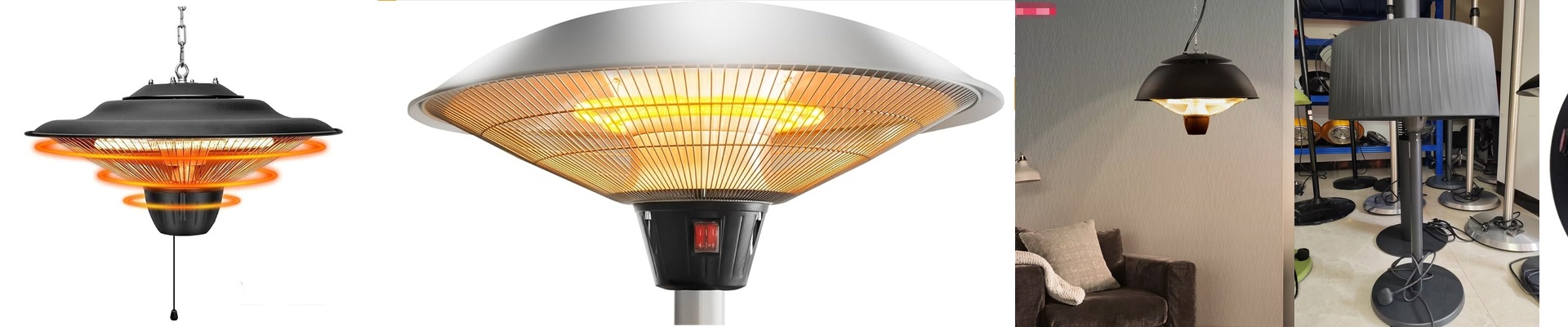
When you’re trying to fit high-performance IR heating into a tiny mobile glass repair bracket, you’re basically fighting a war against space. You’ve only got so much voltage to work with, and almost no room to move. You can’t just throw a massive heating array in there and hope for the best. The goal is simple: get that heat exactly where it needs to go on the glass—fast—without melting the rest of the frame. Getting more heat out of less space Here’s the thing about standard IR lamps: they blast energy in every single direction. If you just pop a lamp in a bracket, you’re wasting half your power heating up the air behind the bulb. That’s just inefficient. To fix this, we use precision-curved aluminum reflectors. Think of it like a mirror for heat. We bounce all that wasted energy forward, right onto the glass. It effectively doubles the heat hitting your target, but your power draw stays exactly the same. It’s a clever way to cheat the physics of a cramped workspace. Picking the right materials We stick with anodized aluminum for these reflectors. Why? Because mobile gear takes a beating. It heats up, cools down, and repeats. Aluminum handles that cycle without warping or losing its shape. We also spec the surface finish to maximize short-wave reflection. This gives you a concentrated beam that punches through the glass quickly. But there is a catch. When you focus that much heat into such a small spot, the lamp’s end caps and the bracket itself start to feel the burn. If you don’t use mounting hardware that can actually move that heat away, the bracket will soak it up and your alignment will go sideways. Making it work in the field For mobile setups, everything is about shrinking things down. We’ve stripped away the bulky housings and swapped them for slim reflectors that slide right into the bracket. It keeps the profile low and keeps the IR element safely away from the glass. You wire it to a compact power supply, and thanks to that reflector, the energy goes exactly where the repair is happening—not into the handle of your tool. Which is great, because nobody likes a tool that burns their hand.