
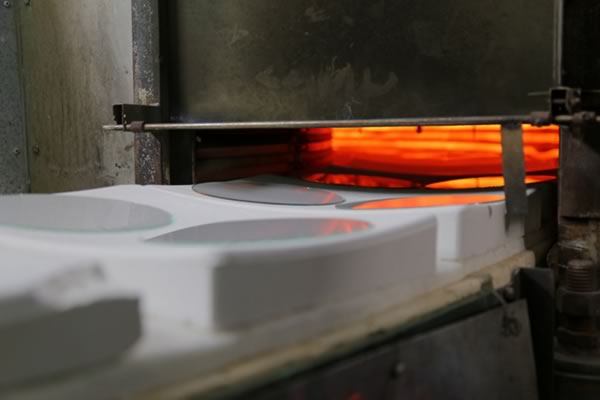
Why Fast-Response IR Lamps Are a Must for Glass Annealing
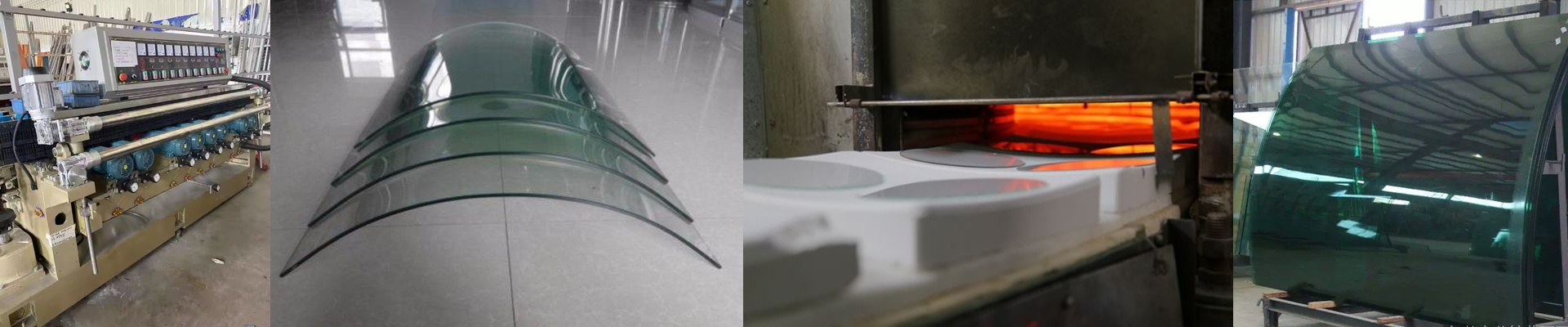
If you’ve ever dealt with glass annealing, you know the struggle. You need the temperature to be exactly right to get rid of those internal stresses, but if you slip up, the whole piece warps. It’s a balancing act. Most old-school setups rely on convection ovens, but when you’re running a continuous line, that’s just too slow. That’s where single tube infrared (IR) lamps come in. They give you that instant hit of heat you need to hit your marks while the glass is actually moving. The secret is in the speed. Here’s the thing: these lamps don’t waste time heating up the air around the glass. They use shortwave or medium-wave radiation to dump energy directly into the surface. It’s immediate. We push for high power density here because we want that glass to hit the annealing point the second it passes under the lamp. By packing more wattage into a compact tube, you get a sharper spike of heat. And for you, that means you can speed up the conveyor belt without worrying about under-processing your batch. The nitty-gritty on the build. We use high-purity quartz for these tubes. Why? Because they have to survive being blasted with heat and then cooling down, over and over again. Inside, there’s a halogen cycle that stops the filament from evaporating, which basically means the lamps last way longer. Plus, we use R7s or SK15 connectors, so if one goes out, you can swap it on the floor in seconds. But a word of caution: this much power creates an incredible amount of heat. If your housing isn’t vented properly or your fans are underpowered, you’re going to have a bad time. You’ll end up melting your wiring or warping your brackets. Keeping the line moving. The best part? No more waiting for a gas-fired lehr to “warm up.” It’s just not a thing here. The moment a sensor sees a piece of glass, the heat kicks in. It saves a ton of energy and takes up way less space on your floor. Since these lamps react almost instantly to voltage changes, you can tweak the heat profile on the fly. If the glass thickness changes, you just adjust and keep going. Less guesswork. Less scrap. Just a line that actually flows.