

Making Your Patio Heaters Actually Smart
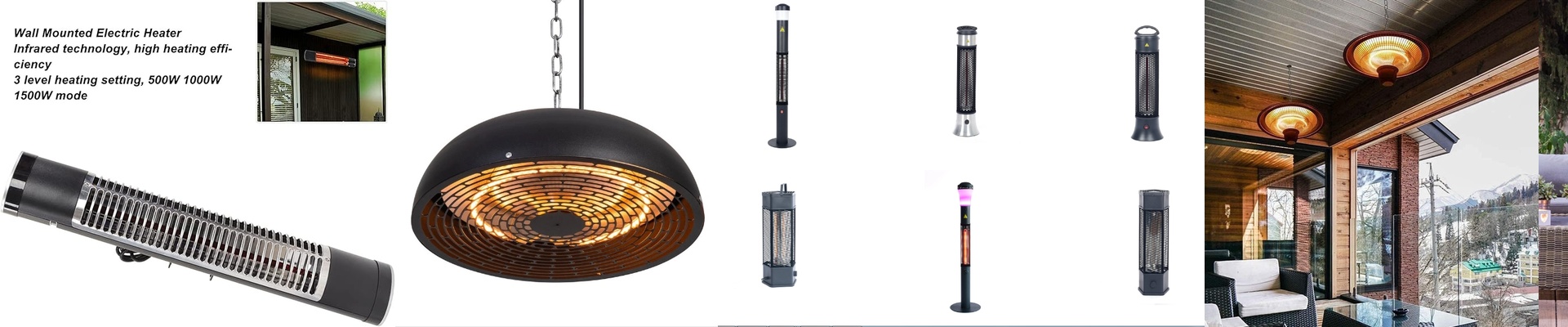
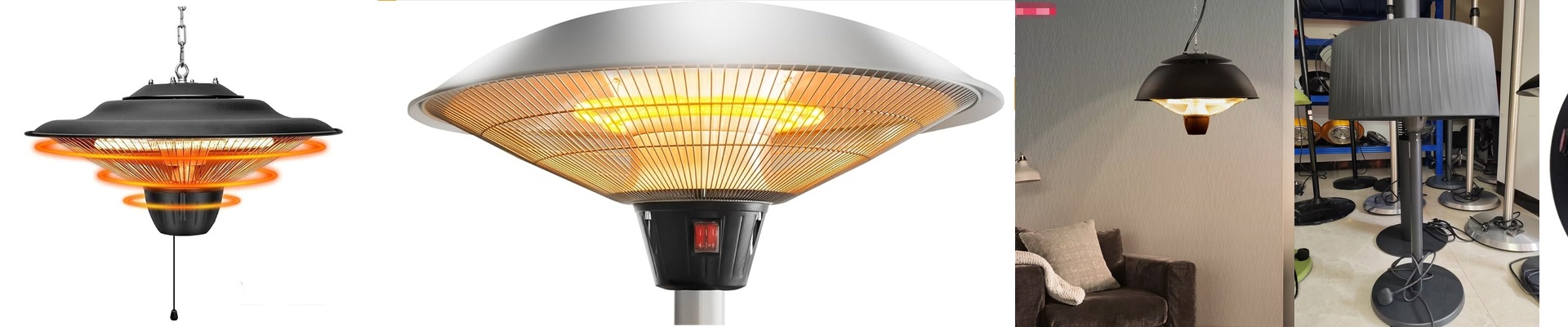
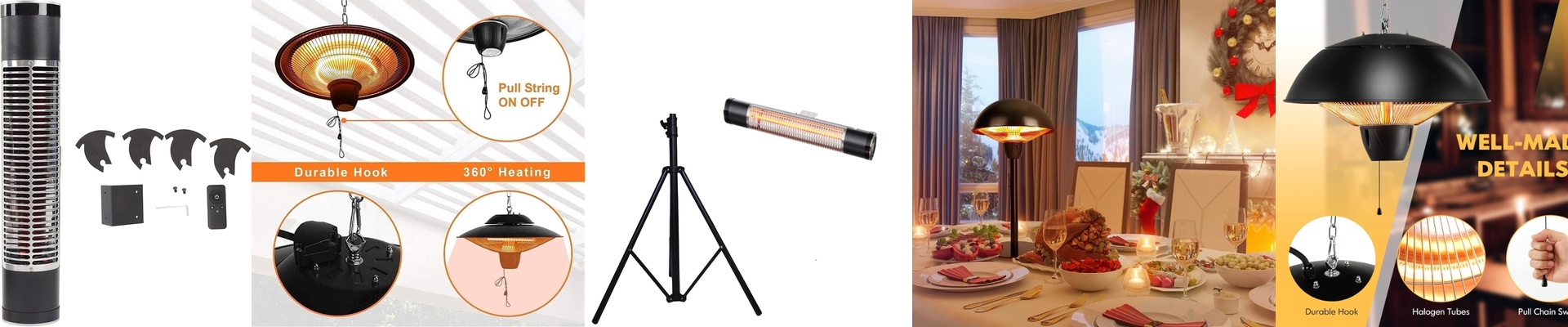
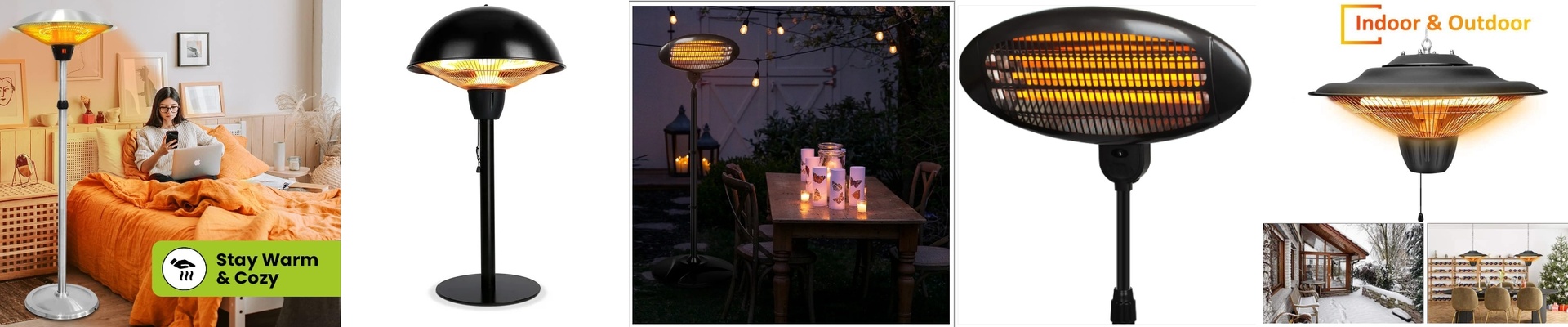
If you’ve ever tried to heat a backyard with a standard space heater, you know it’s a losing battle. The wind just steals the warmth the second it hits the air. That’s why I always go with infrared. Instead of trying to warm up the entire outdoors—which is impossible—infrared beams heat you and your furniture directly. It feels more like sitting in the sun on a crisp October day. The tricky part? Making them “smart.” You can’t just grab a cheap smart plug from the drugstore and plug in a 2000W heater. You’ll likely weld the internal contacts shut or, worse, start a fire. These things pull a massive amount of power. To do it right, we use heavy-duty relays or TRIAC dimmers that can actually handle the amperage. And since this is living outdoors, the housing has to be waterproof (look for IP65 or IPX4 ratings). You don’t want a little rain turning your smart home setup into a short circuit. Setting it on autopilot The real magic happens when you connect the heater to something like Zigbee, Matter, or your Wi-Fi. I like to pair mine with a simple outdoor temperature sensor. Here is how it works: the sensor notices the temp has dropped to 10°C, it pings the relay, and suddenly you’ve got warmth. No walking across the deck in your pajamas to flip a switch. It’s just… there. A few things to watch out for It sounds simple, but there are two big traps. First, the power draw. If you wire five of these to one circuit, you’re going to trip your breaker the moment they all kick in. You’ve got to make sure your wiring gauge can handle the load. Second, be careful where you mount them. The infrared tubes are made of quartz glass. They’re great for heat, but they’re fragile. One accidental bump from a ladder or a stray ball and the vacuum seal breaks, killing the element instantly. Mount them high, keep them out of the way, and you’re set for the winter.