Getting Low-E Glass Preheating Right (Even When it’s Massive)
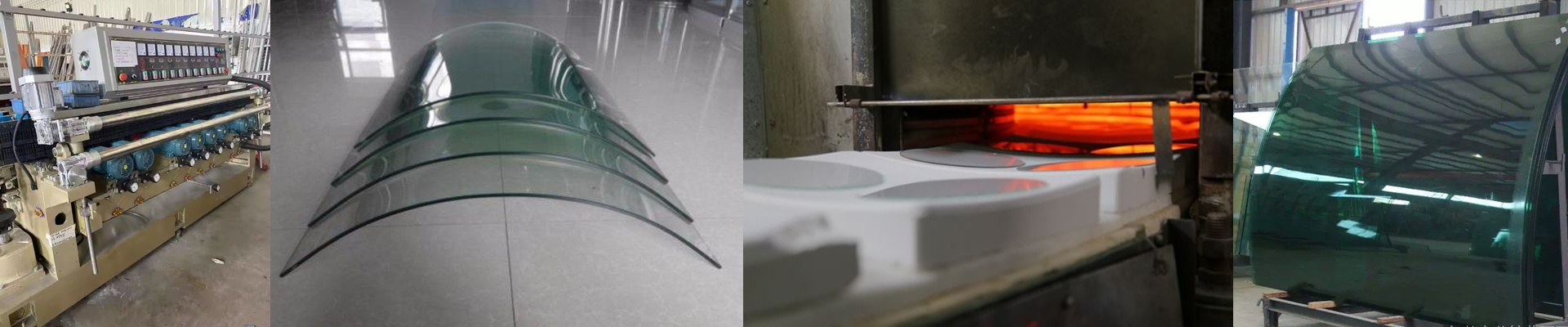
If you’re trying to preheat Low-E glass that’s wider than 3 meters, you already know the struggle. You can’t just buy a few standard lamps and hope for the best. You’ll end up with cold spots all over the place, and in this business, a cold spot is a ruined piece of glass. That’s why we build our infrared units custom. We make them long and lean to make sure the heat hits every single inch of that wide span. The struggle with length Here’s the thing: when you stretch a heating element past 3 meters, physics starts to fight you. You deal with voltage drops and thermal expansion that can make a cheap lamp fail fast. We don’t just “stretch” a standard filament. We dial in the wattage and voltage from the start so the heat stays steady from the center all the way to the edges. Plus, we use high-grade quartz glass with a specific wall thickness. Why? Because at this length, a lamp can actually sag or snap under its own weight if it’s not built right. Just a heads-up—make sure your power supply can actually handle the load, or you’ll be tripping breakers all day. Speed and control Low-E coatings are finicky. They don’t like to wait. We use short-wave or medium-wave infrared because it hits the glass fast. It’s snappy. This means if you speed up your line, you can tweak the heat in real-time without breaking a sweat. And we make them “drop-in” replacements. We match your existing brackets and wiring, so you aren’t spending your weekend rewiring the whole shop just to get new lamps in. The trade-off you need to watch Now, there is a catch. Pushing that much power through a 3-meter unit creates a massive amount of radiant heat. It gets the glass hot quickly, but it also beats up your tunnel’s chassis. If your cooling system isn’t up to the task, you’re looking at warped frames or fried wiring. Before you install these high-output arrays, take a look at your airflow. It’s worth the five minutes of checking now to save you from a total equipment meltdown later.