
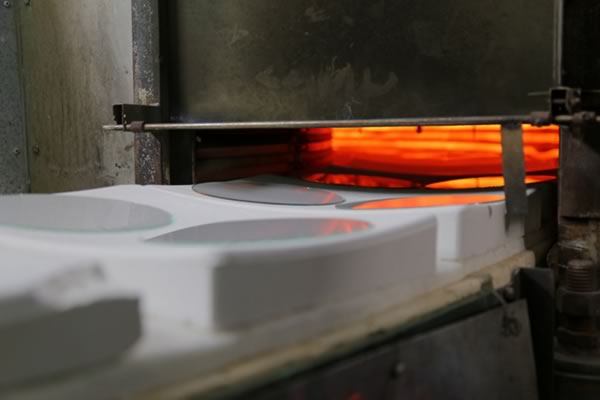
Stop Guessing with Your Glass Cutting Heat
Anyone can sell you a replacement heating lamp. That’s the easy part. The hard part? Actually getting the thermal profile right so your safety glass cuts cleanly every single time. We’ve seen too many lines struggle because they relied on a datasheet. A wattage rating is just a number—it doesn’t know how fast your conveyor is moving or if there’s a drafty door letting cold air hit your glass. That’s why we don’t just put tubes in a box and ship them. We get on your floor and actually look at what’s happening.
The trick to a clean cut
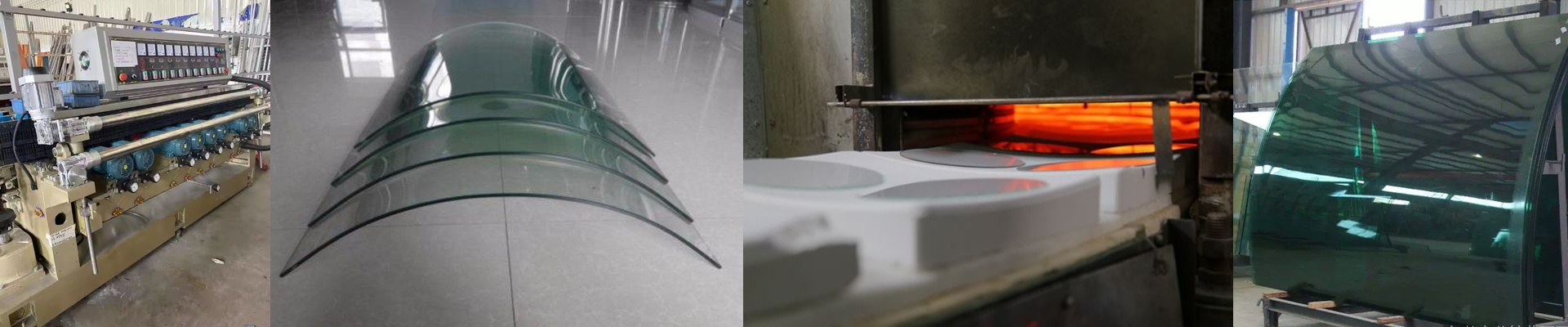
To get a clean break without those annoying stress fractures, you need a very specific heat gradient. We usually go with shortwave infrared quartz heaters. Why? Because shortwave radiation hits the glass fast. It gets the surface to the target temperature before the heat has a chance to bleed away into the rest of the machine. But there’s a catch. If you crank up the wattage for more speed, you’re creating a massive amount of heat density. It’s great for your numbers, but it’s brutal on your power supply and cooling fans. If your cooling can’t keep up with that rise in temperature, you’re going to fry your connectors. Plain and simple.
The nitty-gritty of the hardware
We use heavy-duty quartz envelopes because they can handle the shock of being turned on and off rapidly. When it comes to connectors—like choosing between R7s or SK15—it isn’t about what “looks better.” It’s about whether it actually fits your housing and can handle the current. If a connector isn’t seated perfectly, you get a hot spot. And a hot spot is basically a countdown to the lamp failing.
Why we come to you
A “drop-in replacement” sounds great on paper, but it often ignores how the heat is actually moving. We check the gap between the heater and the glass. We look for those uneven radiation patterns that a manual won’t tell you about. If your glass is cracking, it’s almost never just a “bad lamp.” Usually, something is slightly misaligned, or you’ve got a voltage drop because the cable run is too long. We map out the heat on your actual floor to make sure the energy hits exactly where the cut happens. It takes the guesswork out of the process. And more importantly, it stops you from throwing expensive scrap in the bin.