
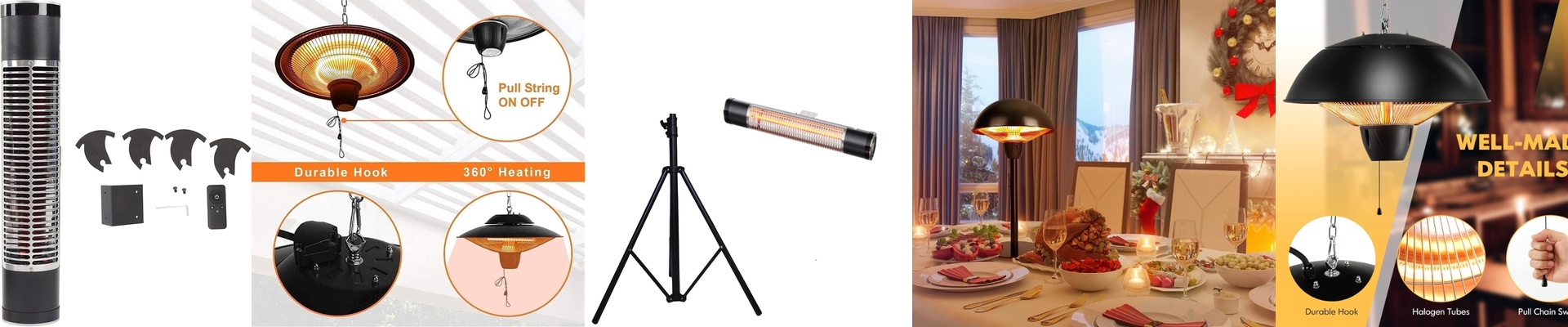
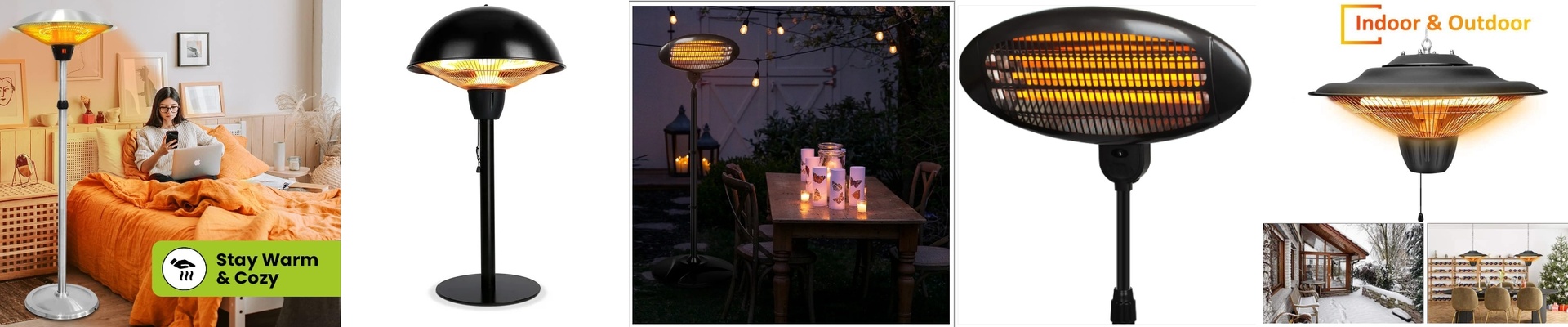
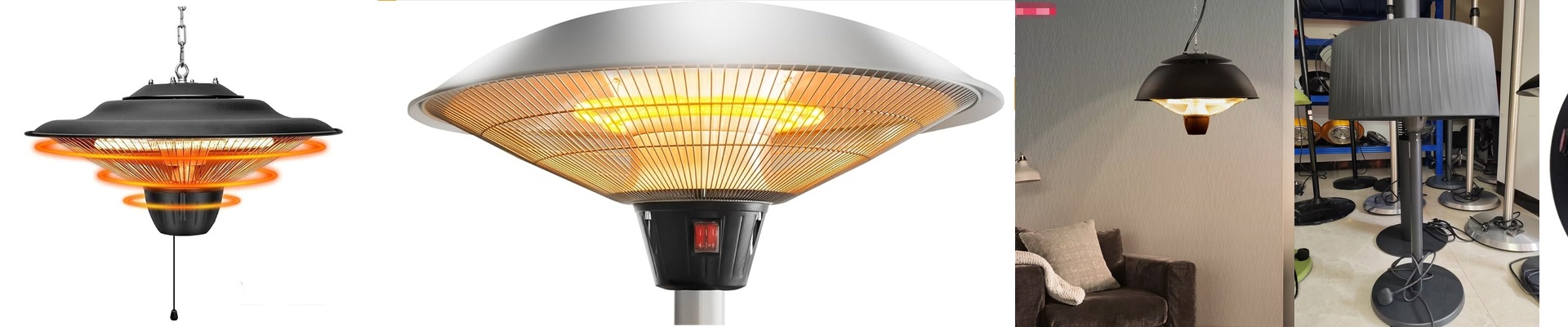

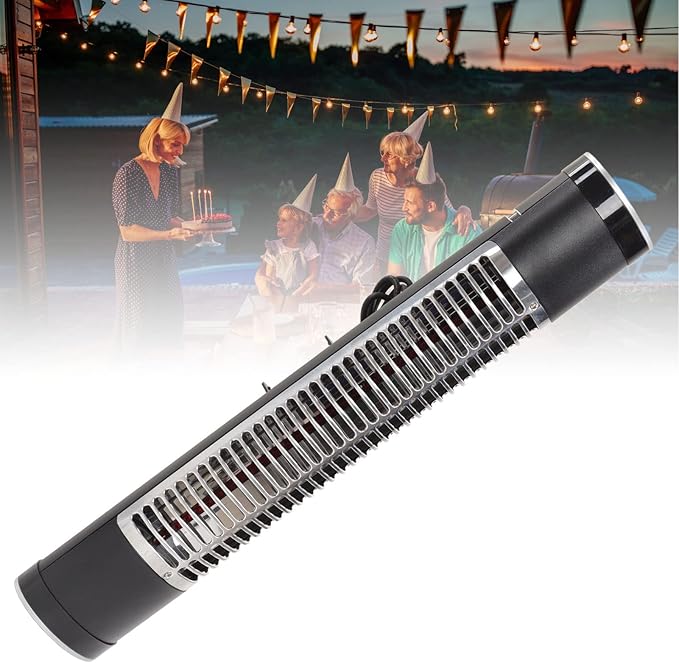
Getting the Light Right in Bathroom Heaters
When we build infrared lamps for the bathroom, the biggest headache isn’t actually the heat. It’s the light. You’ve probably seen those standard shortwave lamps—they blast out this blinding, high-intensity glare. It’s harsh. It’s stressful. And if you’ve got a baby in the house, it’s a real problem because their eyes just aren’t ready for that kind of intensity. So, we changed how the light works. Keeping it Easy on the Eyes We use special quartz coatings and specific filaments to kill off those sharp blue-light peaks. Instead of flooding your eyes with bright light, we push the energy into the mid-to-long wave infrared bands. The result? You get heat that actually sinks into your skin, but the light stays as a soft, warm glow. Sure, you lose a tiny bit of that “instant hit” you get with industrial heaters, but your eyes won’t feel fried after five minutes. It’s a trade-off we’re happy to make. The Hardware Side of Things The housing matters just as much as the bulb. We use recessed reflectors and diffusion lenses so you aren’t staring directly at the filament. It stops those annoying “hot spots” on your skin and keeps the whole vibe mellow. One quick tip on installation: don’t mount these too low. If they’re too close to you, the heat gets way too aggressive for a home bathroom. Plus, you need to give your ceiling some breathing room based on the wattage so you don’t accidentally scorch your paint. A Few Real-World Warnings These are designed to slide right into your existing heater setup, but the coatings make them a bit more sensitive than a cheap lightbulb. If your home wiring has aggressive voltage spikes, you might burn out the filament way sooner than you should. Just double-check that your dimmers or controllers actually match the lamp’s wattage. It’s a small detail, but it’s the difference between a lamp that lasts for years and one that pops in a month.